National Park
Yala National Park
Yala is the busiest safari park in Sri Lanka and the best known place in the world to look for a wild leopard. Jeep safaris run in a morning and an afternoon session from the Palatupana gate on the so...
Yala is the busiest safari park in Sri Lanka and the best known place in the world to look for a wild leopard. Jeep safaris run in a morning and an afternoon session from the Palatupana gate on the so...
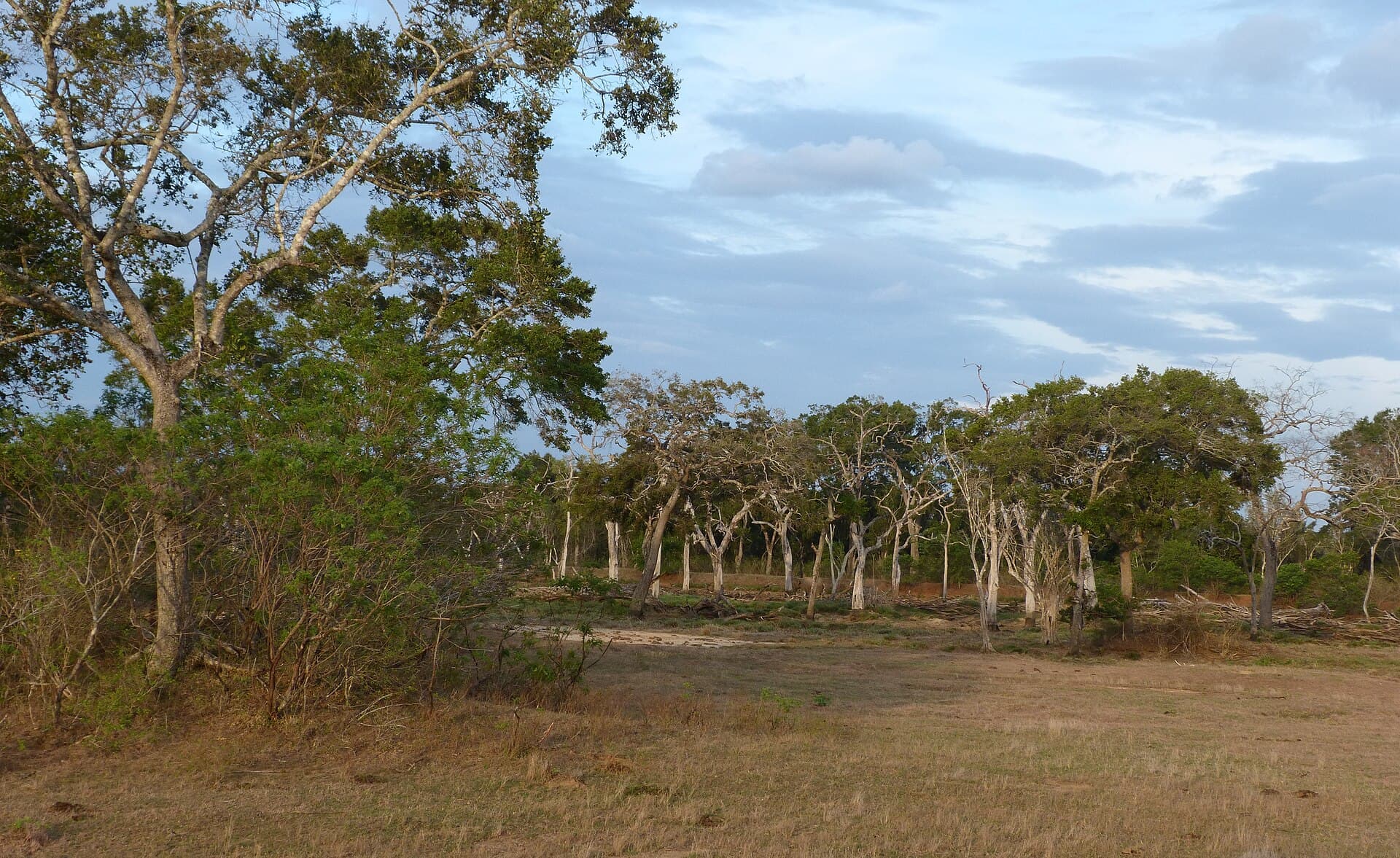
Located on the southeast coast of Sri Lanka, Yala National Park is the crown jewel of the island's wildlife heritage. Spanning over 978 square kilometers, it offers a dramatic backdrop of brackish lagoons, light forests, and massive rocky outcrops.Wildlife Safari ExperienceA jeep safari tour in Yala is an adrenaline-pumping journey through the wild. Visitors typically opt for morning or afternoon drives to maximize their chances of spotting the elusive Sri Lankan Leopard. The park is divided into five blocks, with Block 1 being the most popular for sightings. An experienced safari jeep driver is essential for navigating the rugged terrain and finding the best vantage points for photography.Wildlife HighlightsThe park is world-famous for having one of the highest leopard densities on earth. Beyond leopards, the wildlife safari offers views of Asian Elephants, Sloth Bears, Mugger Crocodiles, and the endemic Painted Stork. It is also a haven for over 215 bird species.Landscape & EcosystemThe ecosystem is primarily composed of dry monsoon forests and thorn scrublands, punctuated by freshwater lakes and coastal lagoons. The proximity to the Indian Ocean creates a unique maritime-influenced wilderness.Best Time to VisitThe best time for a national park safari Sri Lanka experience in Yala is during the dry season between February and June, when animals congregate around dwindling water sources.
Total Area
978 sq km
Established
1938
City
Tissamaharama
Coordinates
6.3653000, 81.5034000
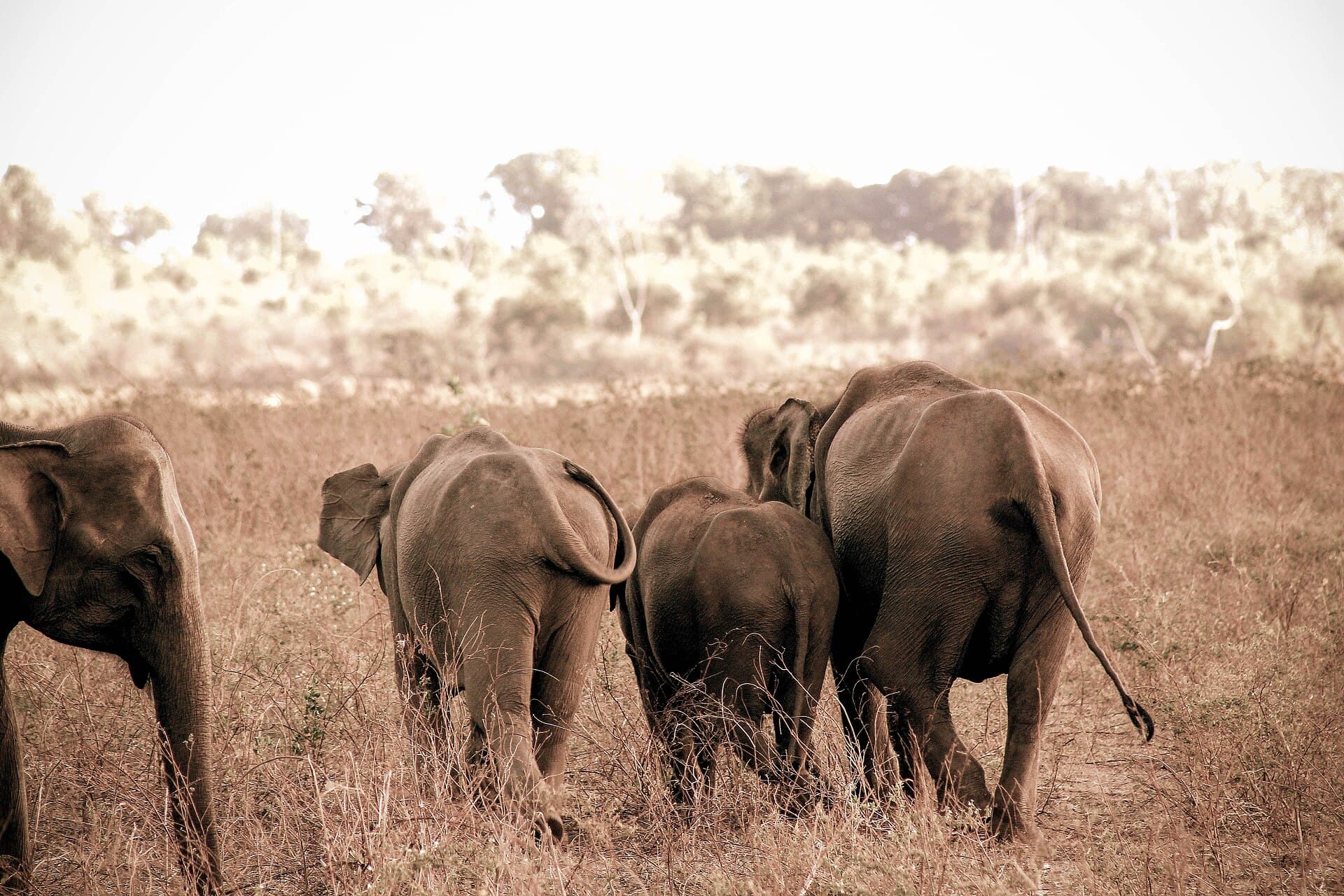
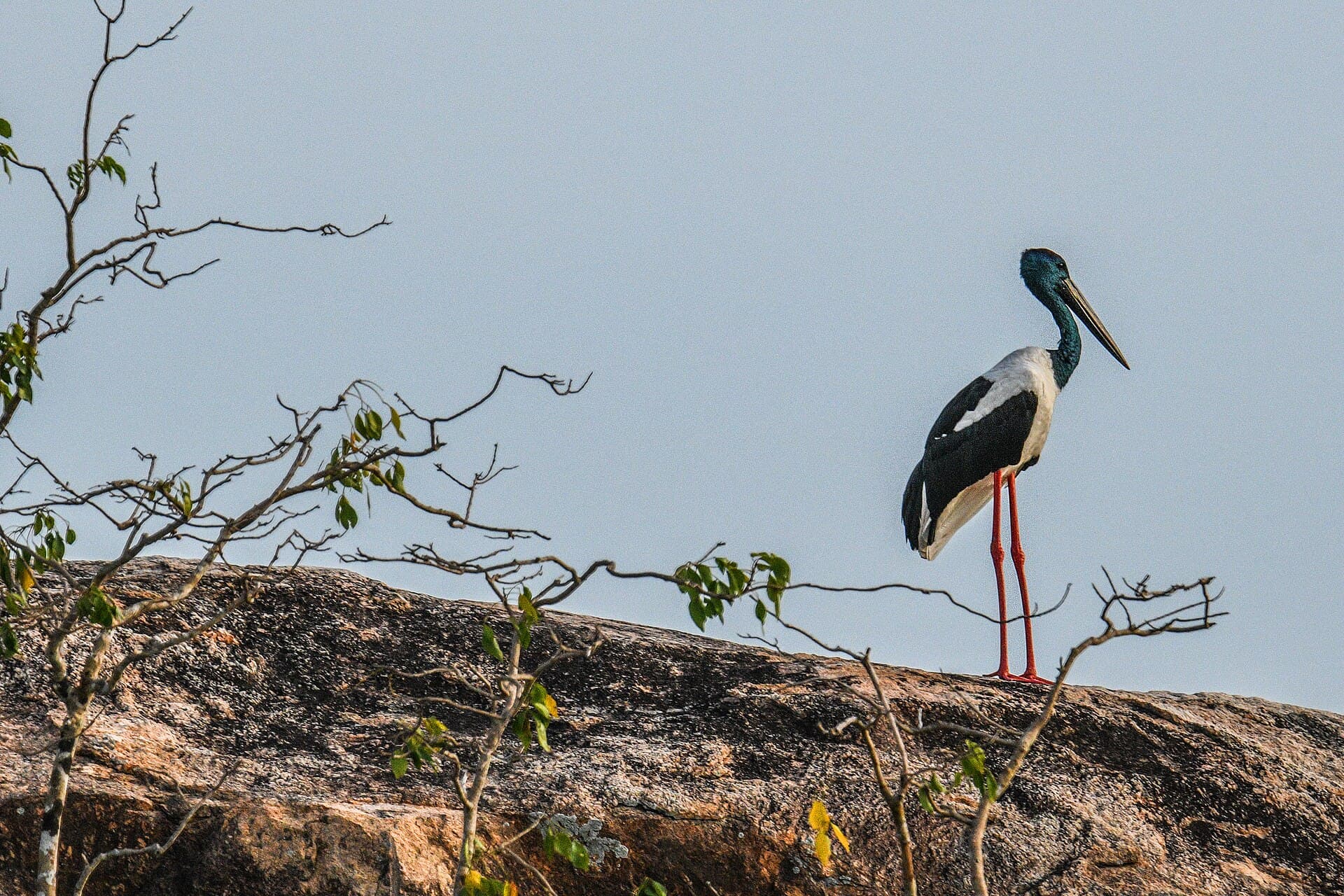
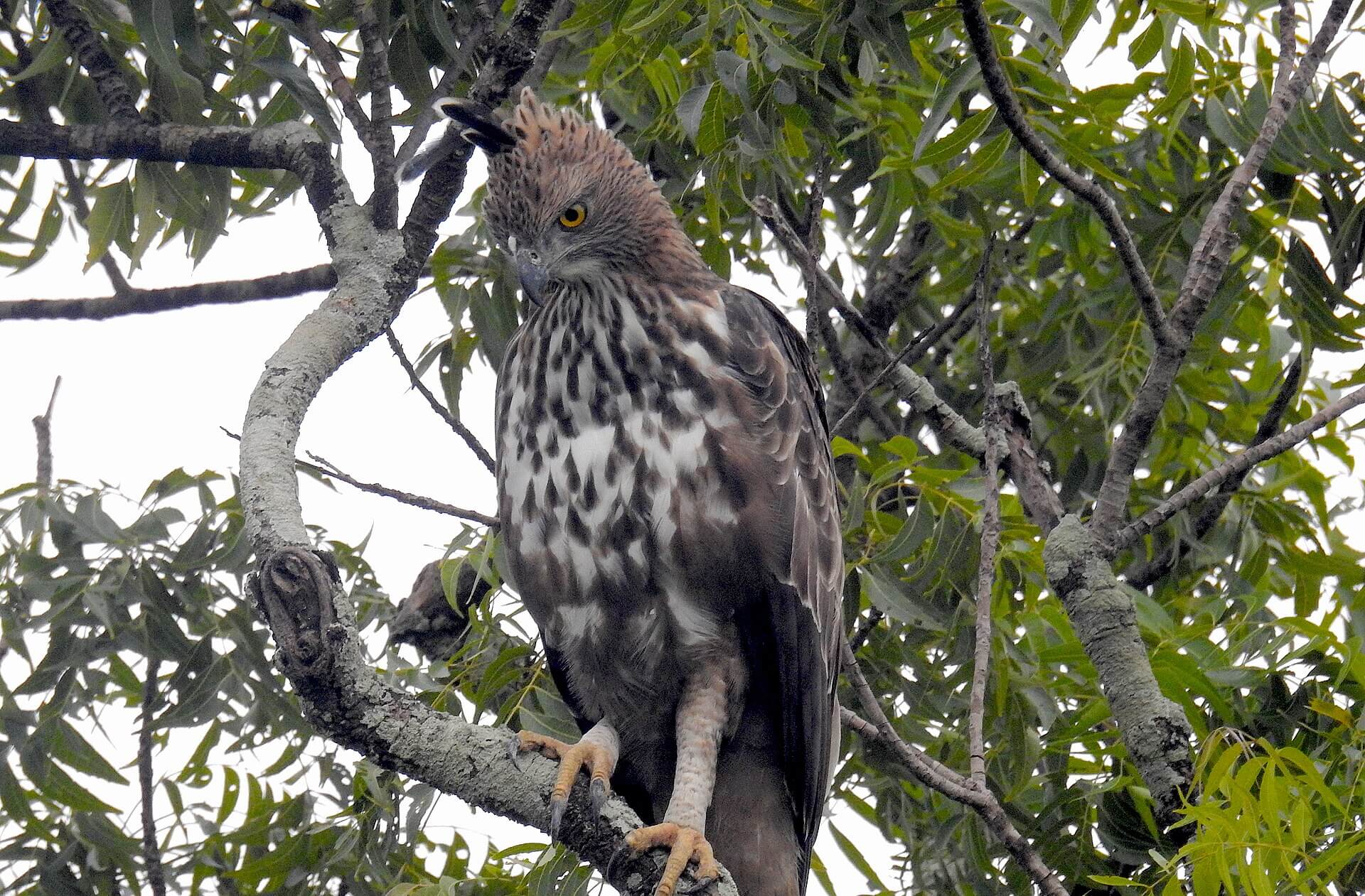
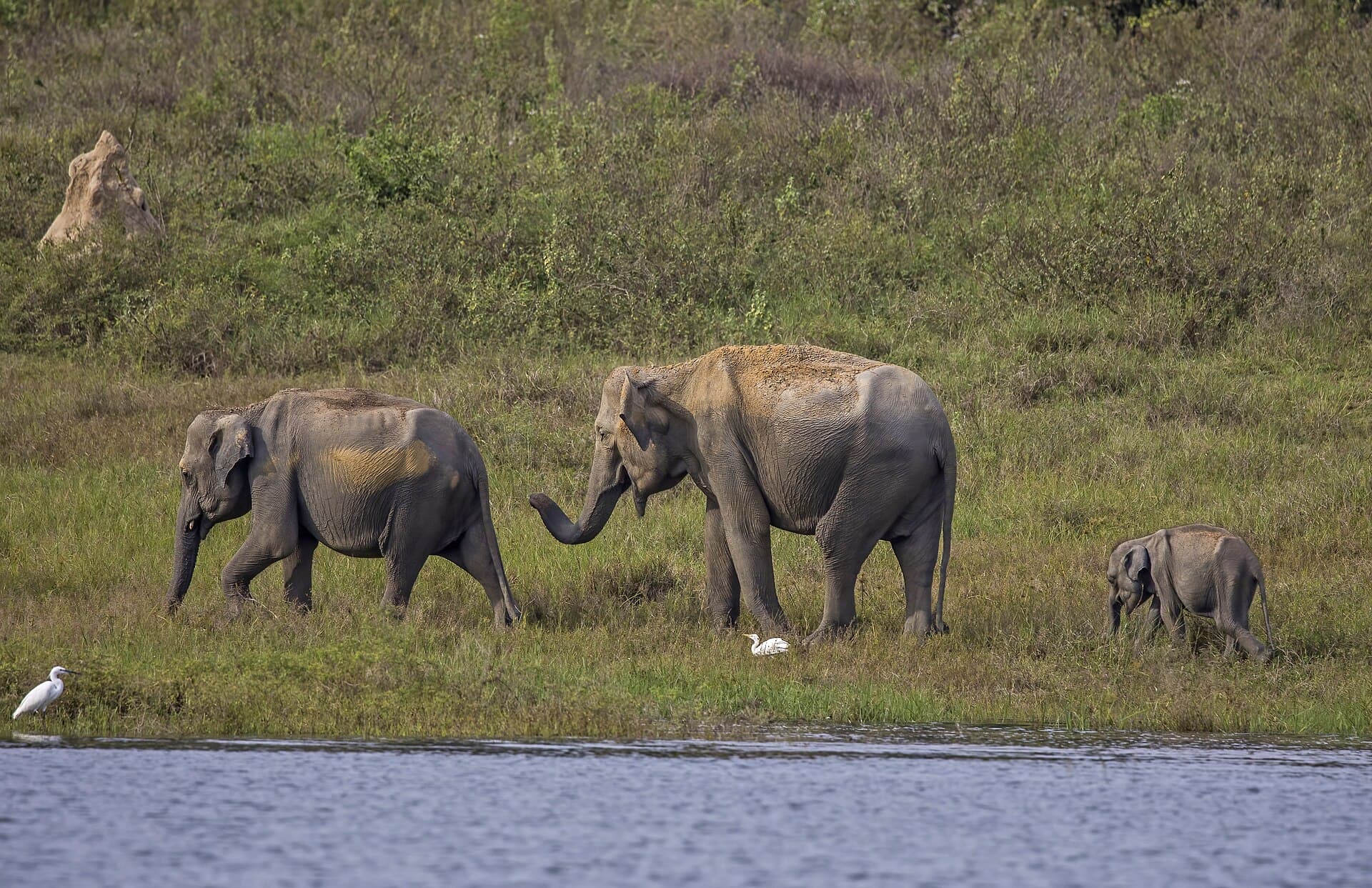
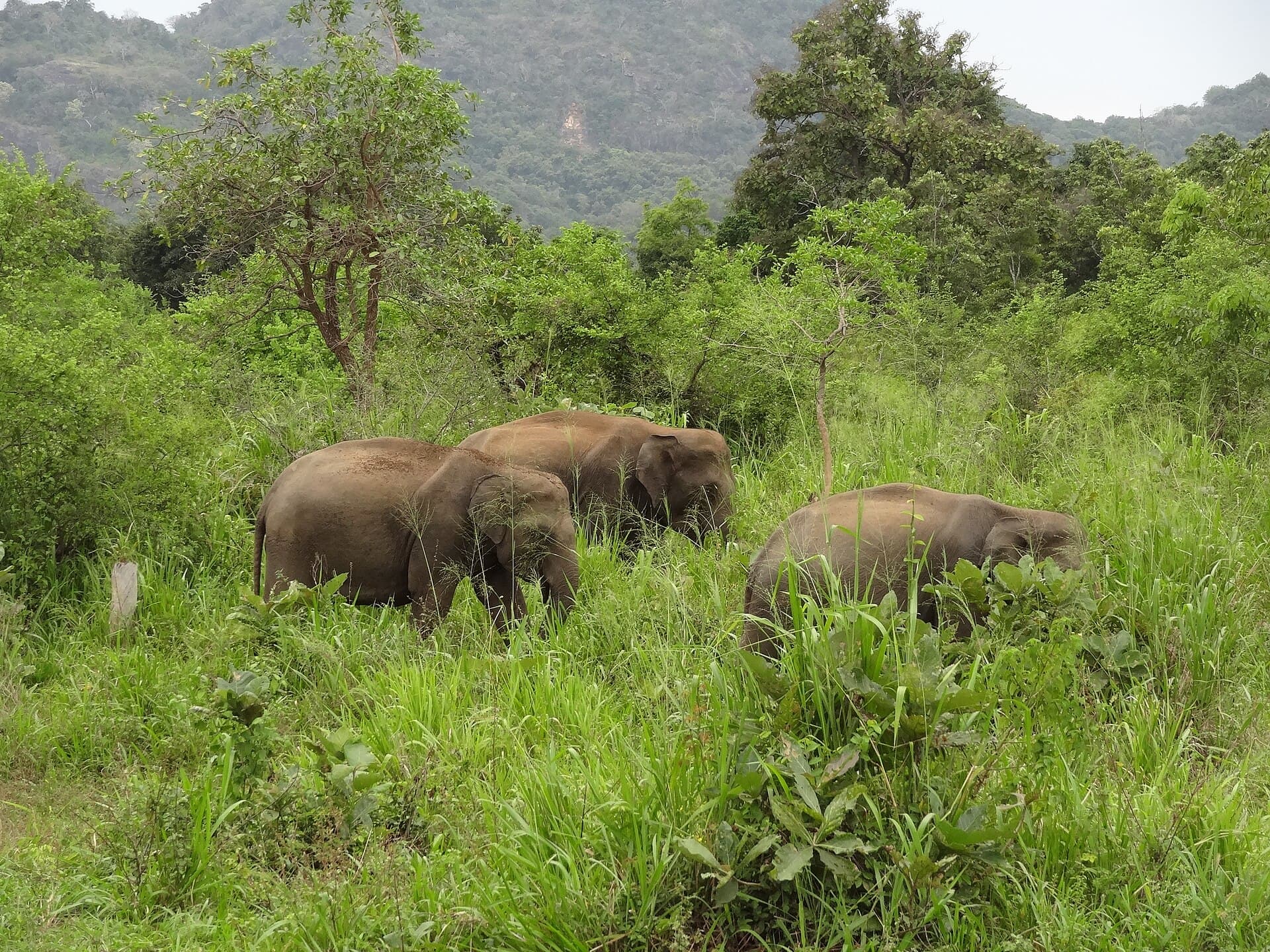
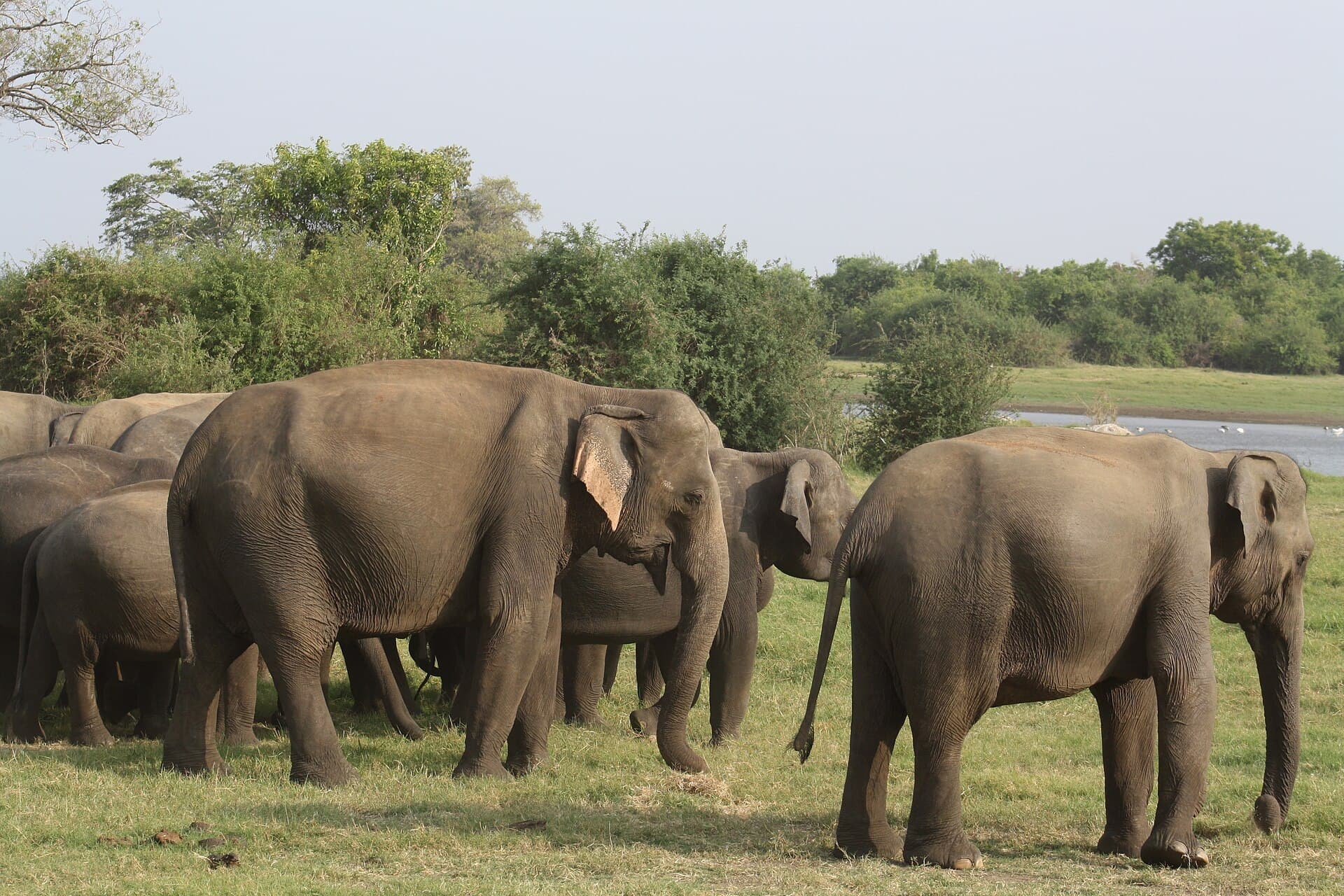
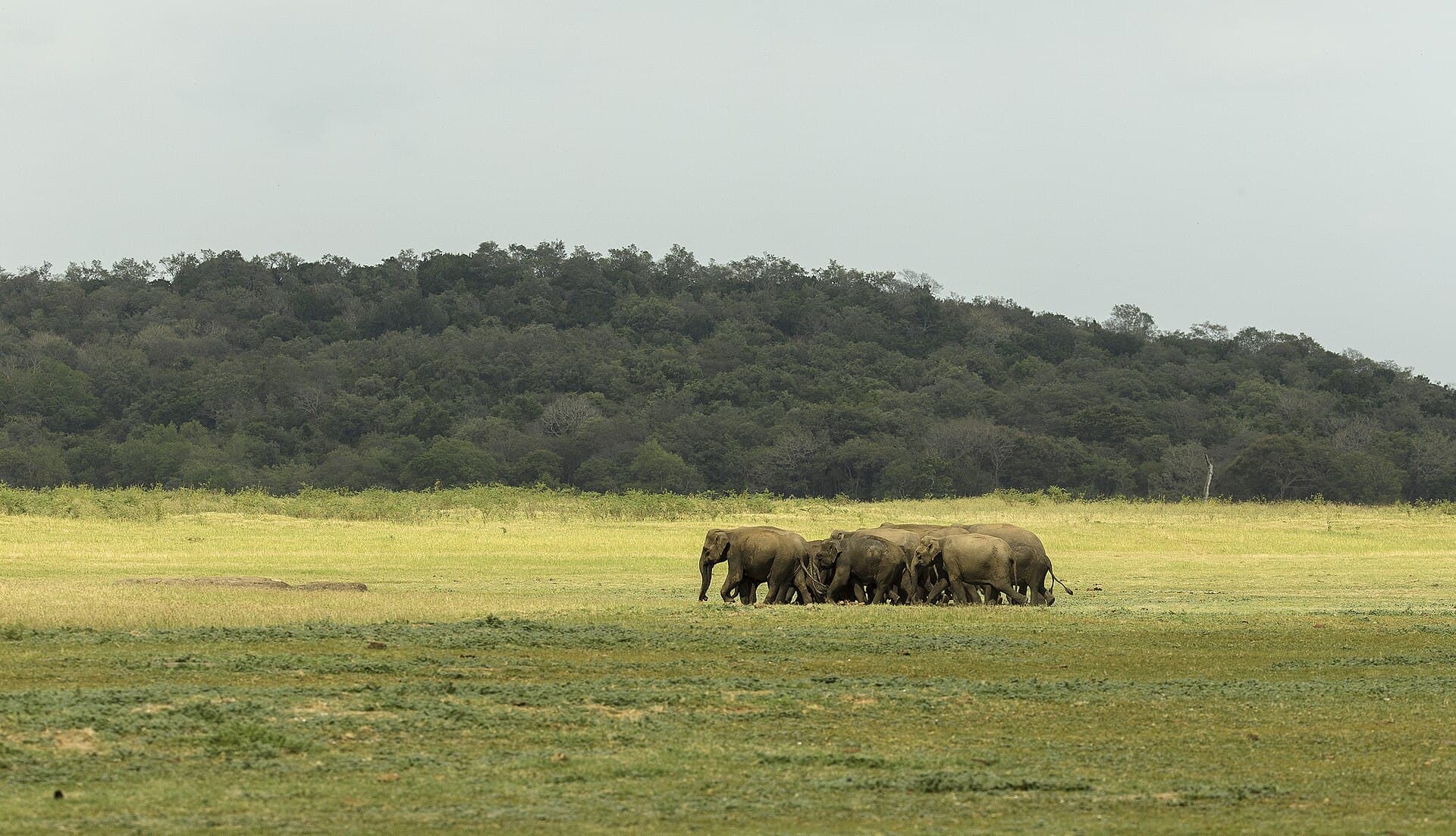
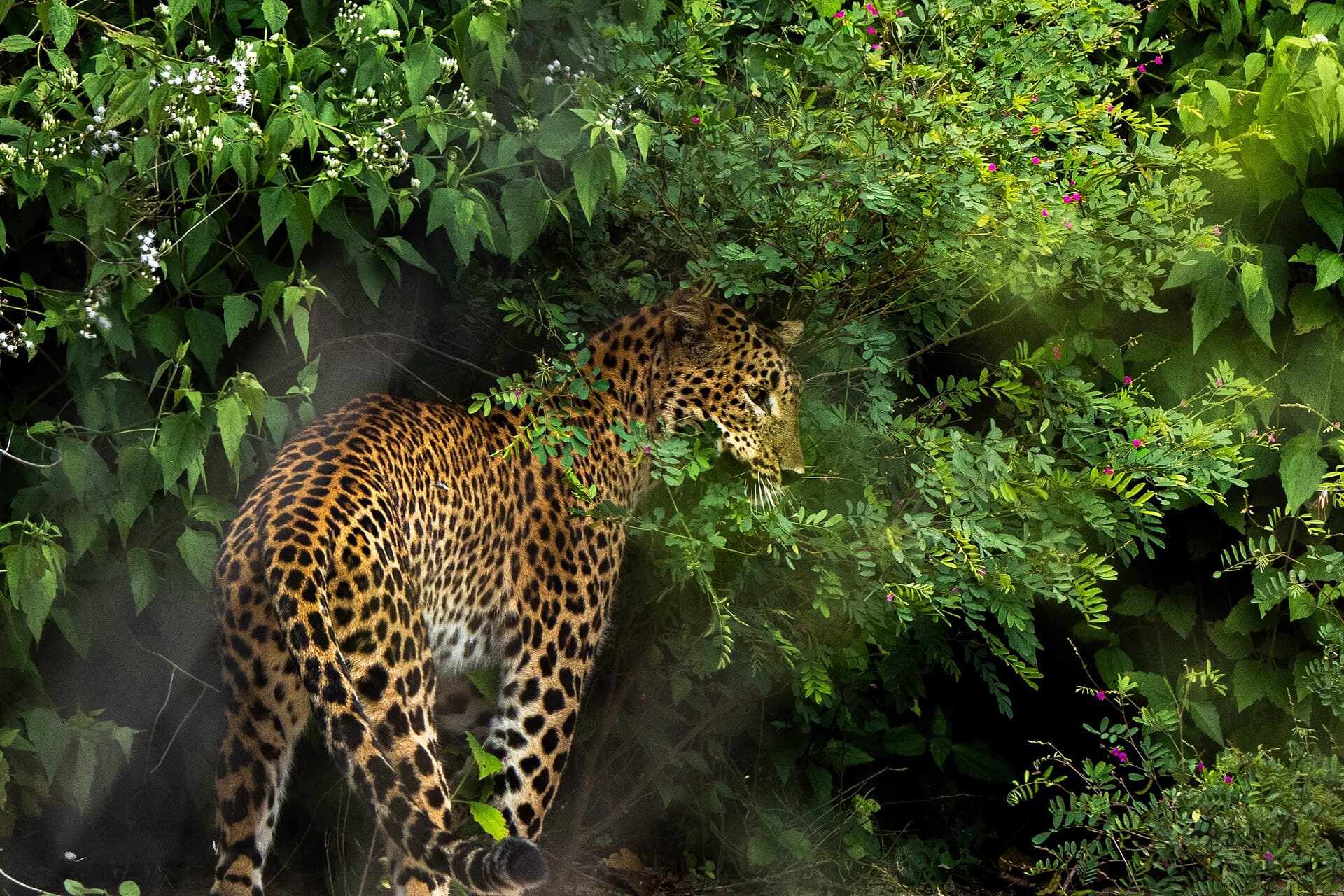
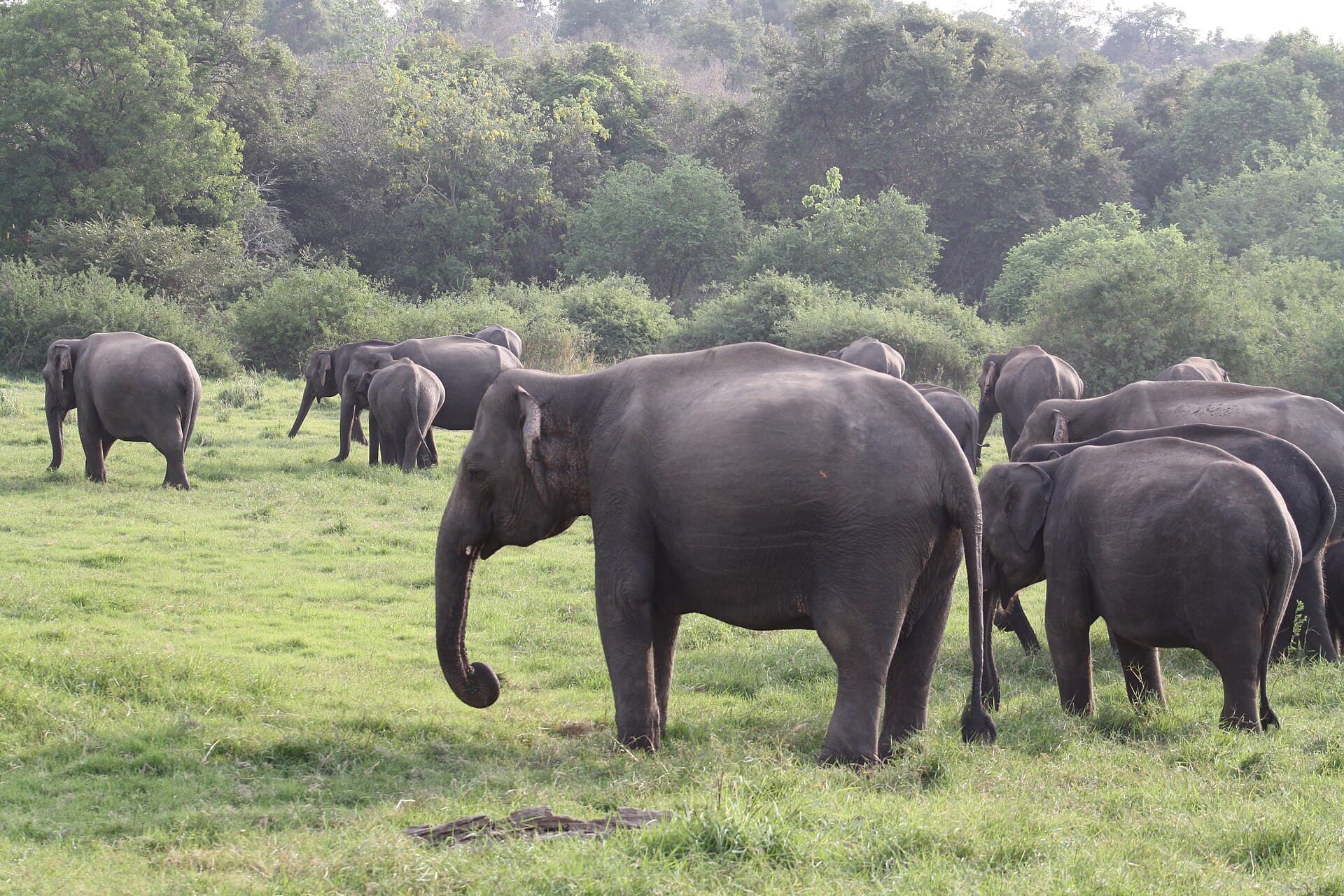
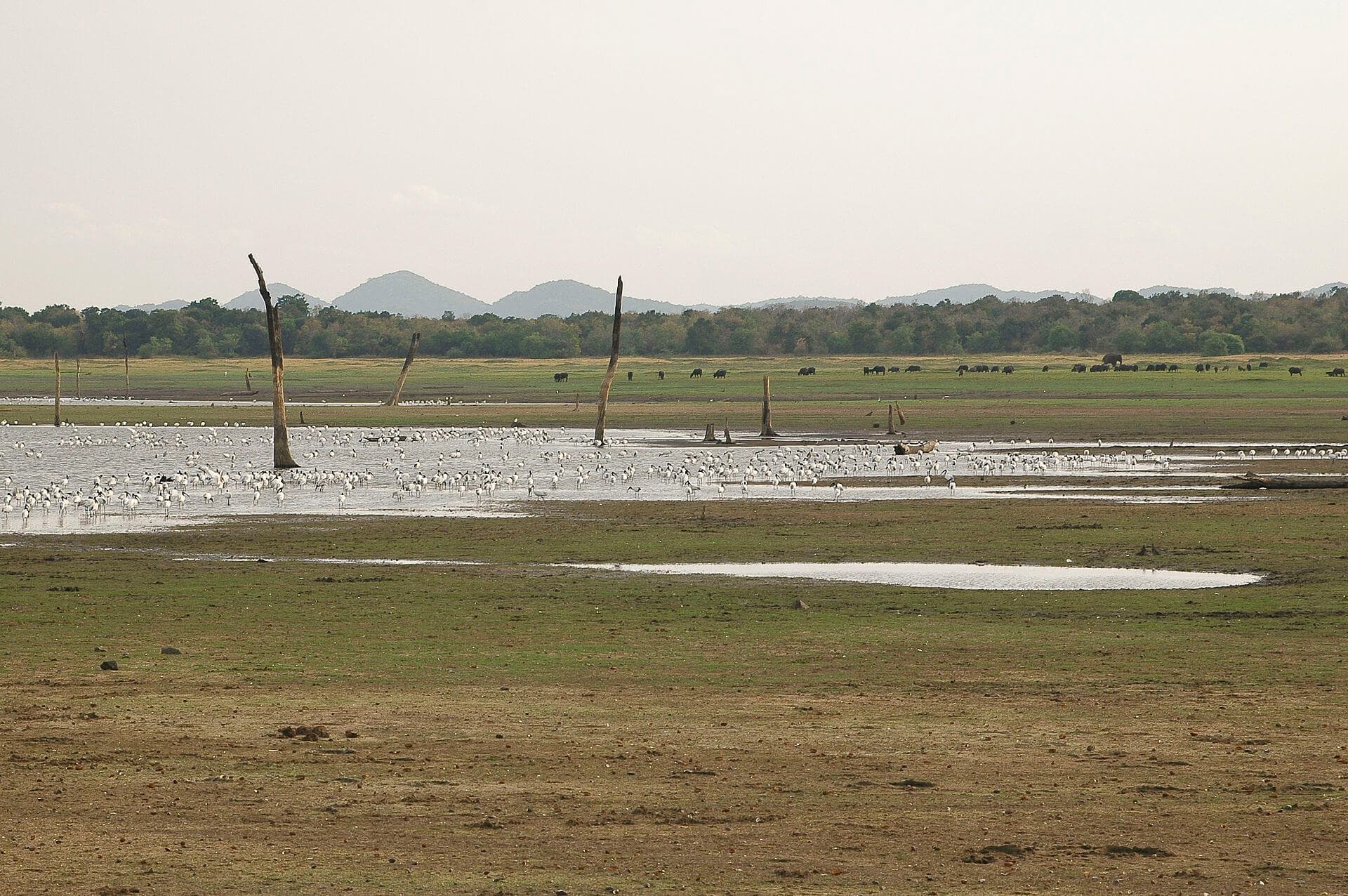
Yala is famous for one animal above all others. The park holds one of the densest leopard populations anywhere on earth, and Block 1 in particular has a resident population that has grown used to vehicles, which is why sightings here are more reliable than almost anywhere else in Asia. That said, a leopard is still a wild cat on its own schedule. Plenty of good safaris end without one, and any driver who guarantees a sighting is selling you something they cannot deliver. Sloth bears are the other prize, most often seen between May and July when the palu trees fruit and the bears climb to feed. Elephants are common and usually relaxed around jeeps. You will also see spotted deer in large numbers, wild buffalo wallowing in the tanks, sambar, wild boar, grey langur and troops of toque macaque along the track edges. Mugger crocodiles bask at almost every waterhole. The birdlife is genuinely excellent and often gets overlooked by visitors fixed on cats. Painted storks, spoonbills and pelicans work the lagoons, peafowl display in the open scrub, and the coastal stretch brings in waders. Between November and March migrant species push the list well past a hundred for a single morning if your driver knows where to stop. Ask your driver to spend time at waterholes rather than racing between radio calls. Sitting still at a tank for twenty minutes will usually show you more than another hour of driving.
Yala runs two safari sessions a day. The park generally opens around 6am and runs to midday, then reopens in the early afternoon until around 6pm, with exact times shifting a little through the year. The morning session is the one most people want. Animals are active in the first two hours after opening, the light is good for photographs, and the temperature is bearable. The cost is company. In peak season hundreds of jeeps line up at Palatupana before dawn, and it is normal for thirty or more vehicles to converge on a single leopard sighting. The afternoon session is quieter and underrated. You get fewer jeeps on the track, animals come down to water as the heat drops, and the last hour of light over the scrub is the best of the day for photography. If you have only one safari in your trip and you want reliability, book the morning. If you have two, or you would rather have space around your vehicle than the highest odds, take an afternoon. A full session usually runs about four hours including the drive in and out. Half day and full day options exist, and a full day lets your driver work further into the park away from the crowded circuits near the gate. If leopards are the whole point of the trip for you, the full day is the better purchase. Whichever you choose, book the jeep rather than a seat. A private vehicle means your driver answers to you on where to wait and how long to stay, which matters far more to what you see than the specification of the jeep itself.
s
s
Recommended Route
Compare parks before you book. Each one suits a different trip.
Tropical dry zone climate with an average temperature of 27°C. The main rainy season occurs from October to January.
Yala is divided into blocks, and they are not interchangeable. Block 1 is the original section, the most productive for leopards, and the one almost every safari means when it says Yala. It is entered through the Palatupana gate near Tissamaharama, which is where the great majority of jeeps start. Because Block 1 is so popular, the Department of Wildlife Conservation caps how many vehicles enter each day. In peak season that quota fills. Arriving at the gate at 6am is not a guarantee of getting in, and drivers who know the park will suggest leaving Tissamaharama closer to 5am so you are in the queue early. If the quota is full you will be directed to another block, which is a decent safari but a different one. The other blocks are quieter and wilder. They carry fewer vehicles, the tracks are rougher, and leopard sightings are less frequent but far less crowded when they happen. If you have already done Block 1, or the idea of thirty jeeps at one sighting puts you off, tell your driver before you book and ask about the alternatives. The driving itself is genuine off road work on sand and rutted track through thorn scrub, around rock outcrops and past a chain of waterholes and lagoons. Expect dust, expect to be thrown around a bit, and expect long quiet stretches between sightings. That is the shape of a real safari rather than a fault with your jeep.
Yala is a dry zone park, and the safari quality tracks the water. The dry season from roughly February to July is the strongest period. Waterholes shrink, animals concentrate around what is left, the scrub thins out, and visibility improves in every direction. June through August is often the peak for leopard sightings for exactly this reason, and May to July is the window for sloth bears feeding on palu fruit. The northeast monsoon brings rain from around October to January. The park is green and photogenic, the birdlife is at its best with migrants in, and there are far fewer jeeps. Sightings are harder because animals no longer need to come to a handful of waterholes and the vegetation is thick. Tracks can get heavy going after rain. Yala has historically closed for part of the year, usually around September and into early October, for maintenance and to give the park a rest. The dates move and are announced by the Department of Wildlife Conservation, so check before you commit to travel dates in that window. If you are choosing purely on odds of a leopard, aim for the back half of the dry season and take a morning session. If you want the park to yourself and you care more about landscape and birds than a cat, the green months are a genuinely good trip that most visitors never consider.
Almost everyone bases themselves in Tissamaharama or nearby Kataragama, both a short drive from the Palatupana gate. Tissa has the widest choice of places to stay and is the practical hub for a Yala safari. There are also lodges closer to the park boundary if you want to cut the pre dawn drive down. From Colombo the road journey is long, usually five to six hours by the southern expressway and coast road, so plan to arrive the day before rather than driving through the night. Coming from the south coast beaches around Mirissa or Tangalle is much shorter. Ella and the hill country are roughly three hours away, which makes Yala a natural stop between the highlands and the coast. For a morning safari your jeep will typically collect you between 4:30am and 5am. Bring a light layer because the open jeep is cold before sunrise and hot by nine. Sunscreen, a hat, sunglasses and water matter more than you expect once the sun is up. Dust is constant, so bring something to cover a camera between sightings. Binoculars are the single most useful thing you can pack and almost nobody brings them. A zoom lens of 200mm or more will make the difference between a photograph and a grey speck. Leave the drone at home, as they are not permitted. Book at least a few days ahead in peak season. The good drivers, the ones who read the park rather than chase radio calls, are the first to be taken.
*Note: Prices include service charges and VAT. Rates are subject to change.