National Park
Maduru Oya National Park
Maduru Oya is a large, quiet park in the east built around five reservoirs, with a resident elephant population and a Vedda community living within its boundary at Henanigala. Safaris here combine wil...
Maduru Oya is a large, quiet park in the east built around five reservoirs, with a resident elephant population and a Vedda community living within its boundary at Henanigala. Safaris here combine wil...
Located in the dry zone of eastern Sri Lanka, Maduru Oya is a park that blends wildlife with ancient history.Wildlife Safari ExperienceA jeep safari tour in Maduru Oya is a journey through a landscape that has been inhabited for millennia. The safari jeep experience here is marked by vast views of the reservoir and the many rocky outcrops that provide a habitat for predators.Wildlife HighlightsElephants, Leopards, and Sloth Bears are the primary mammals. It is also an excellent birdwatching site, with sightings of the rare Broad-billed Roller.Landscape & EcosystemThe ecosystem includes tropical dry evergreen forests, grasslands, and significant rocky outcrops.Best Time to VisitThe months from March to September offer the best visibility for wildlife.
Total Area
588 sq km
Established
1983
City
Mahiyanganaya
Coordinates
7.4783000, 81.2056000
No jeeps available yet
Check back soon for safari jeeps at this destination.
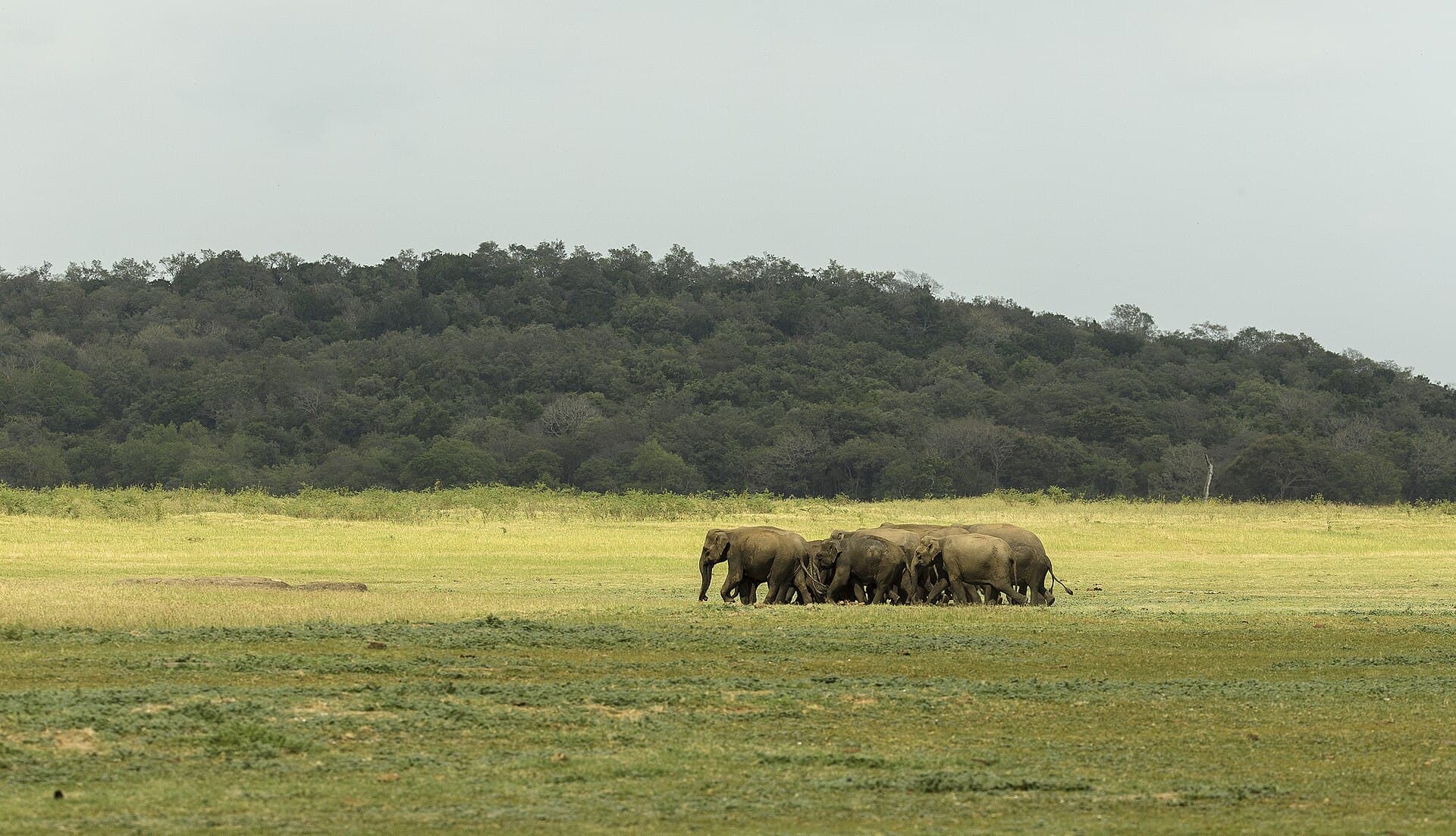
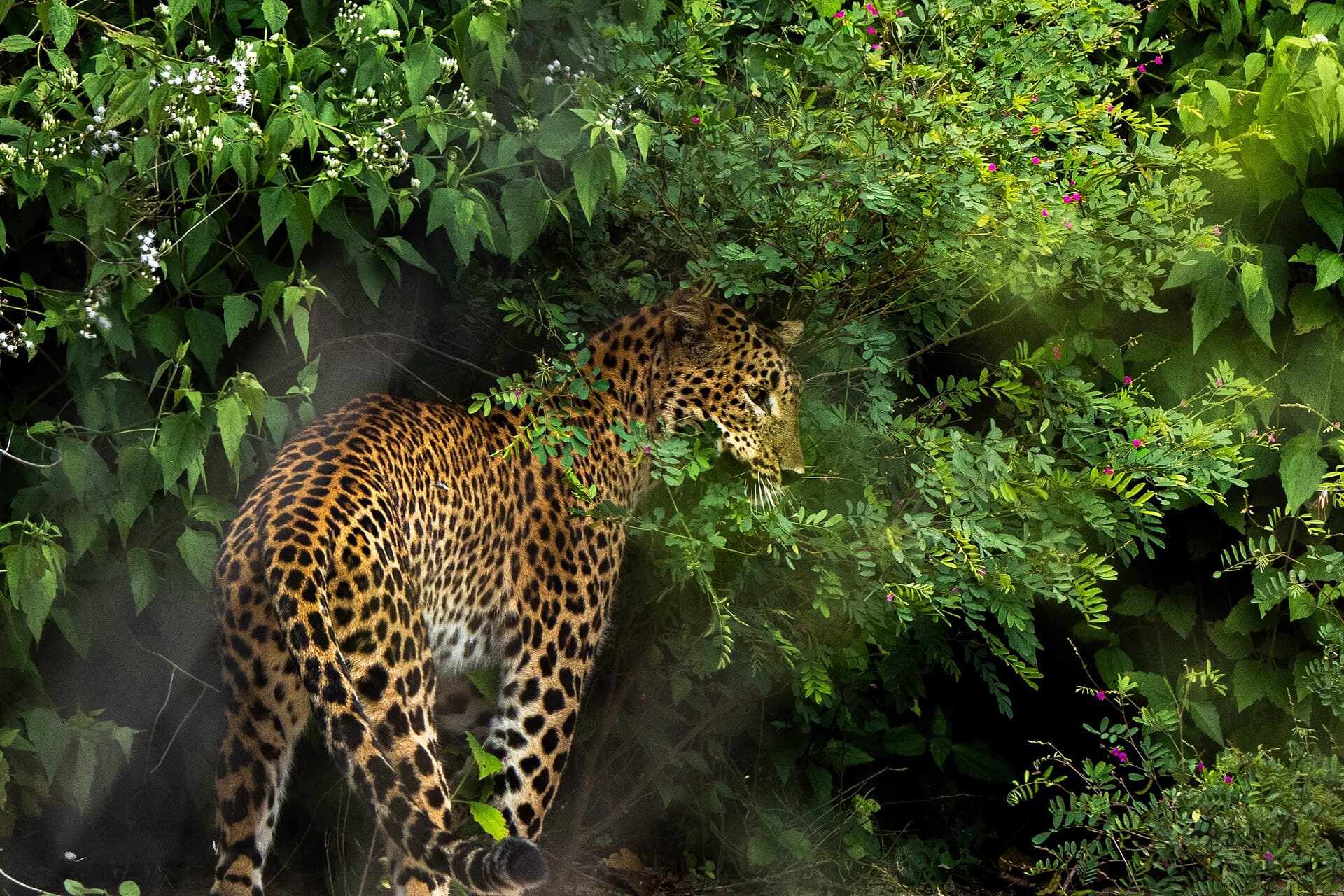
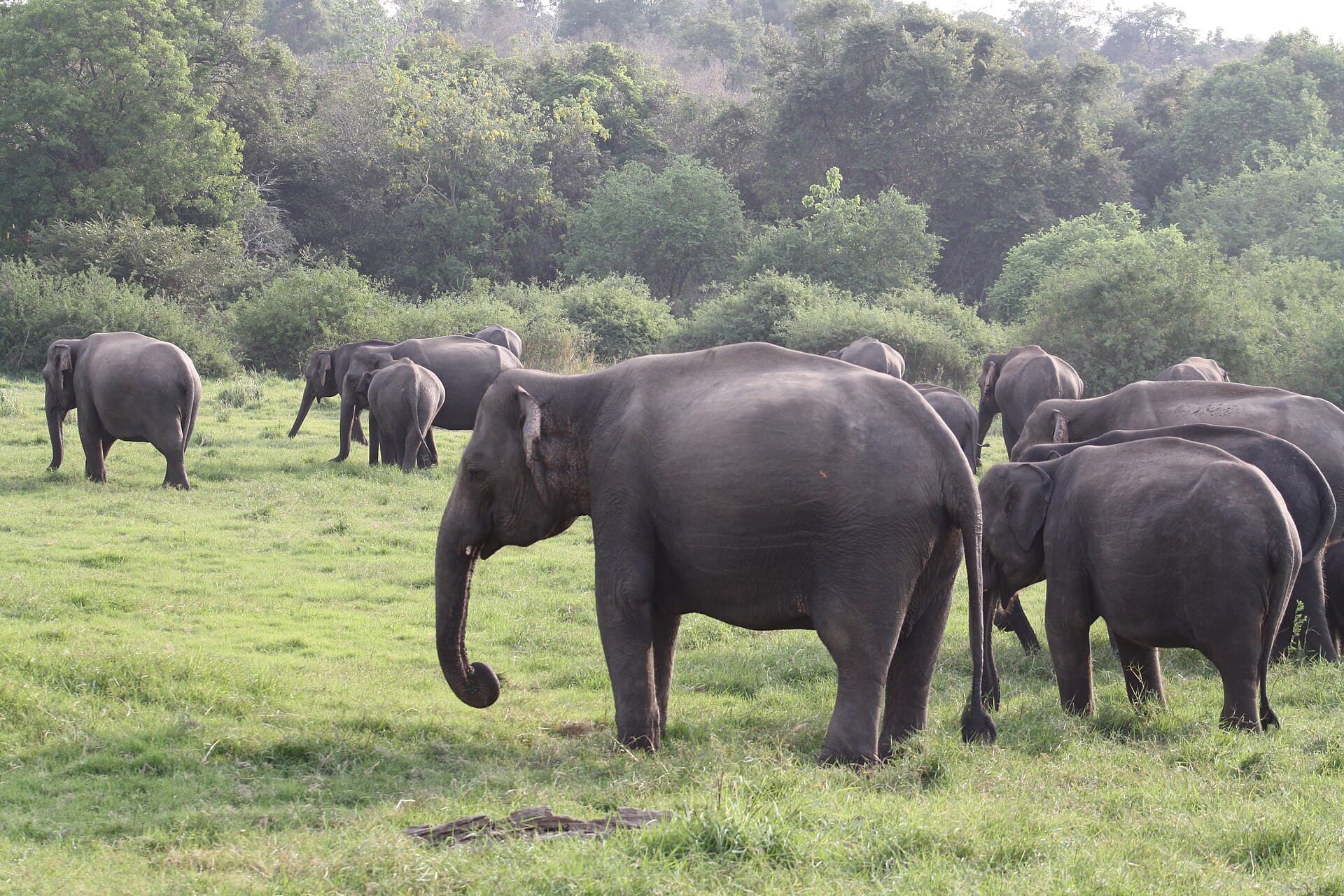
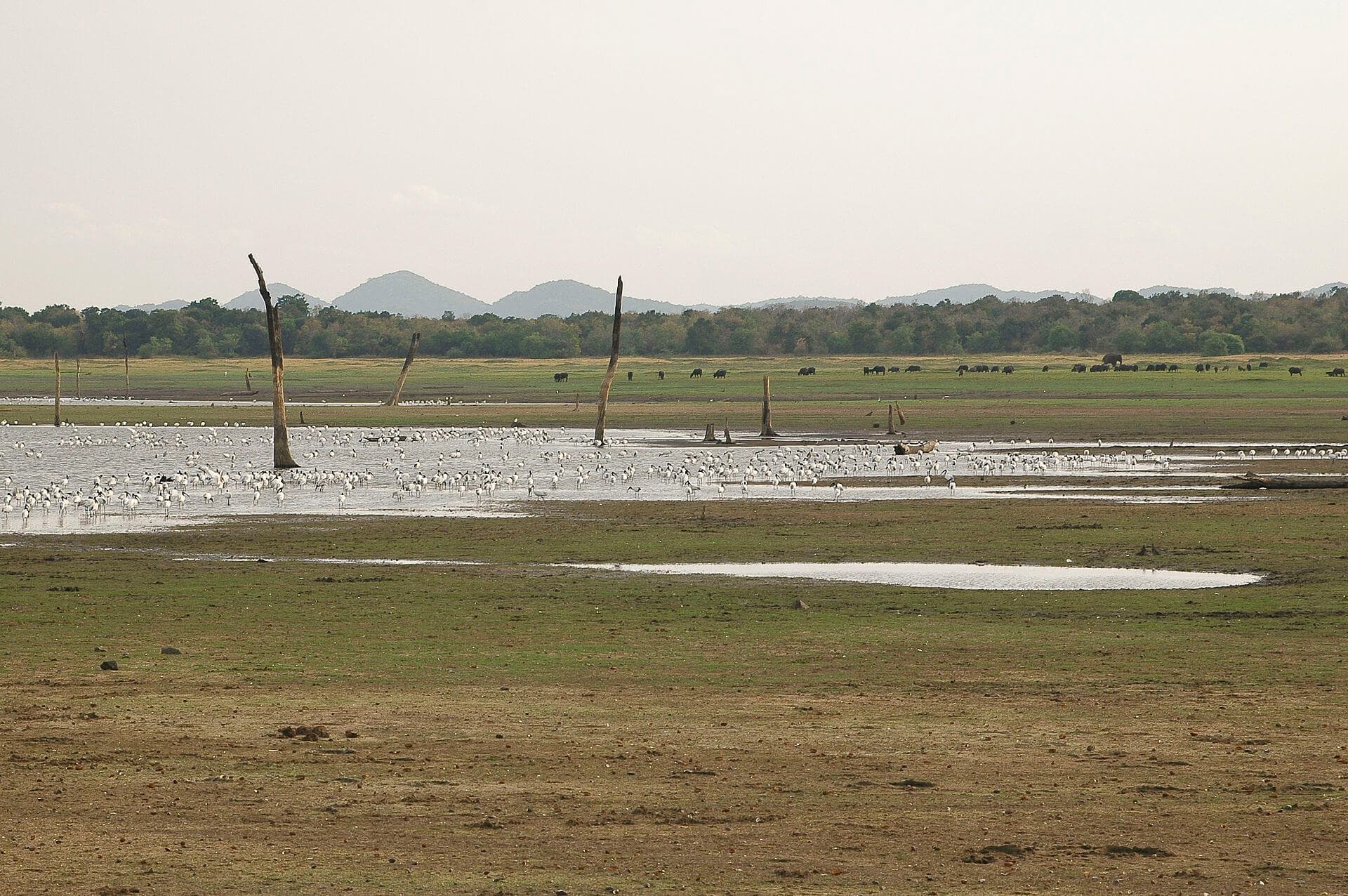
Elephants are the headline at Maduru Oya, with a population numbering more than a hundred. Because the park protects the catchments of five reservoirs, there is water spread across a large area, and animals come to the banks at most hours rather than concentrating at a single tank. That makes sightings steadier through the day than at parks with one water source. The habitat mix is unusually varied. Dense tropical dry forest, open grassland plains, granite outcrops and rocky plateaus sit alongside the reservoirs, so a single session moves through several quite different landscapes and the species change as you go. Alongside elephants you will see spotted deer, sambar, wild boar, water buffalo, grey langur and toque macaque. Leopards and sloth bears are present in genuinely wild conditions and sightings are rare. The reservoirs support strong birdlife, with cormorants, herons, egrets, storks and pelicans on the water and raptors overhead. The rocky outcrops and forest edges add a different set of species again. The park covers close to 59,000 hectares, which is large, and it sees very few visitors. Expect quiet tracks, expect long views across open plains between forest sections, and expect to have most of what you find to yourself.
Maduru Oya is the one park in Sri Lanka where a safari commonly includes a visit to a Vedda community, and it is worth understanding what that is before you book. The Vedda are the indigenous people of Sri Lanka, traditionally hunters and gatherers, and a community continues to live within the park boundary at Henanigala, where one of the two named park entrances is located. The other entrance is at Galkada. In recent generations the community has relied increasingly on small scale cultivation alongside traditional practices. Many operators offer a combined safari and village visit, and it is the reason a lot of visitors choose this park over a more productive wildlife destination. Done well, it is a genuine meeting rather than a performance. Approach it accordingly. This is a living community, not an exhibit. Ask before photographing people, follow your guide's lead on what is appropriate, and go in expecting a conversation rather than a show. If an operator is selling it as a costumed spectacle, that tells you something about the operator. A driver or guide who has an ongoing relationship with the community will give you a far better experience than one who simply drives visitors to a village and waits. Ask about this when you book, and be willing to pay for someone who does it properly.
Most dry zone parks in Sri Lanka concentrate around a single tank, and the whole rhythm of a safari there is about getting to that water at the right hour. Maduru Oya works differently because it protects the catchments of five reservoirs spread across a very large area. The practical effect is that wildlife is distributed rather than concentrated. Animals come to reservoir banks throughout the day rather than all converging on one shoreline at dusk, which means the middle hours of a session are more productive here than at a single tank park, and the pressure to be in exactly the right place at exactly the right time is lower. It also means distances are long. At close to 59,000 hectares this is a big park, and a half day session covers a fraction of it. If you are making the journey out here, the full day is the better purchase, and it gives your driver room to work more than one reservoir. The terrain adds to the interest. Tracks run through dense dry forest, open onto grassland plains, and pass granite outcrops and rocky plateaus. The Maduru Oya dam itself is on most itineraries and is worth the stop. Expect proper four wheel drive conditions and a park with very little traffic. The tradeoff for distributed wildlife is that you do not get the concentrated spectacle of a Minneriya gathering.
Compare parks before you book. Each one suits a different trip.
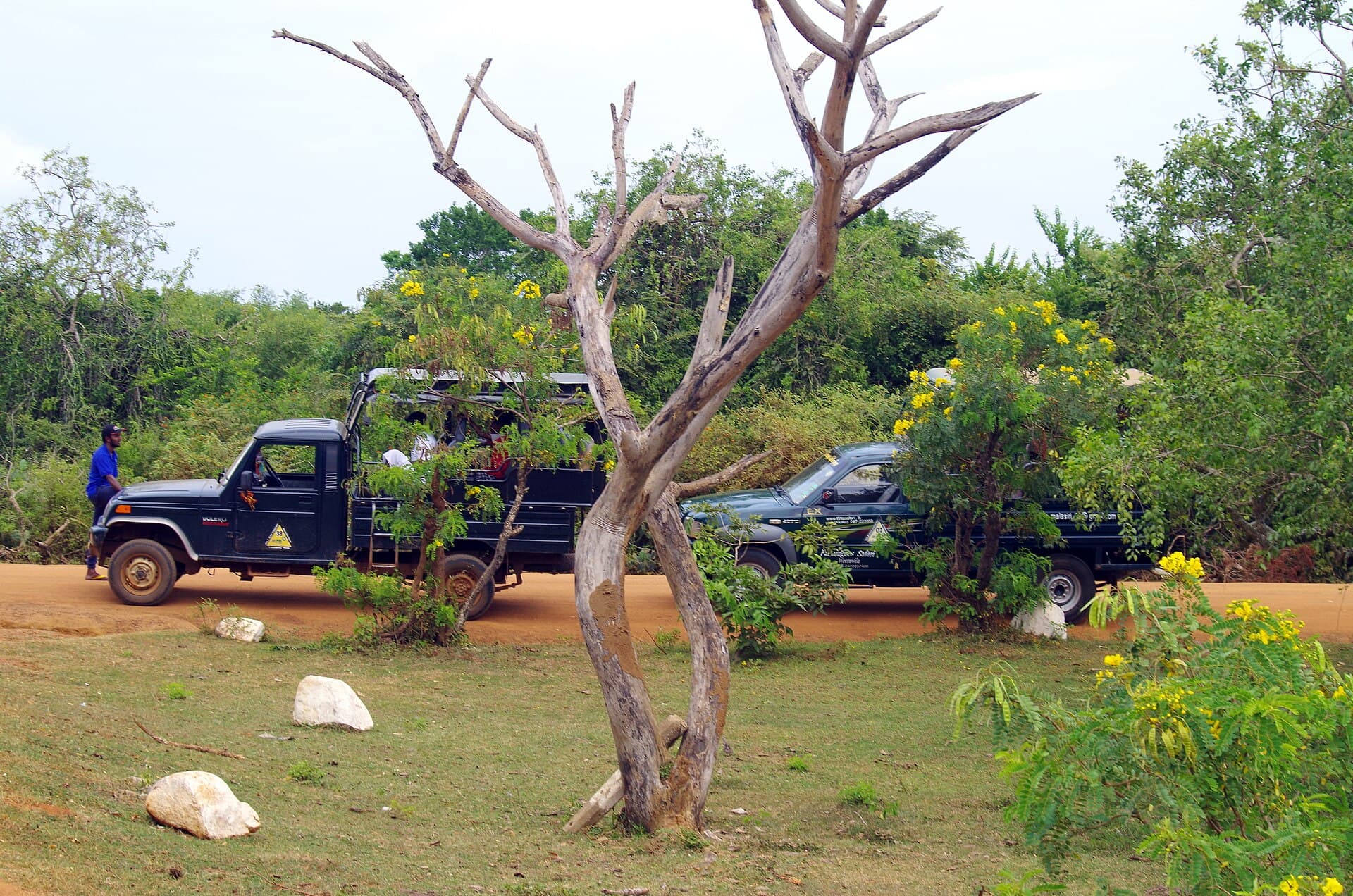
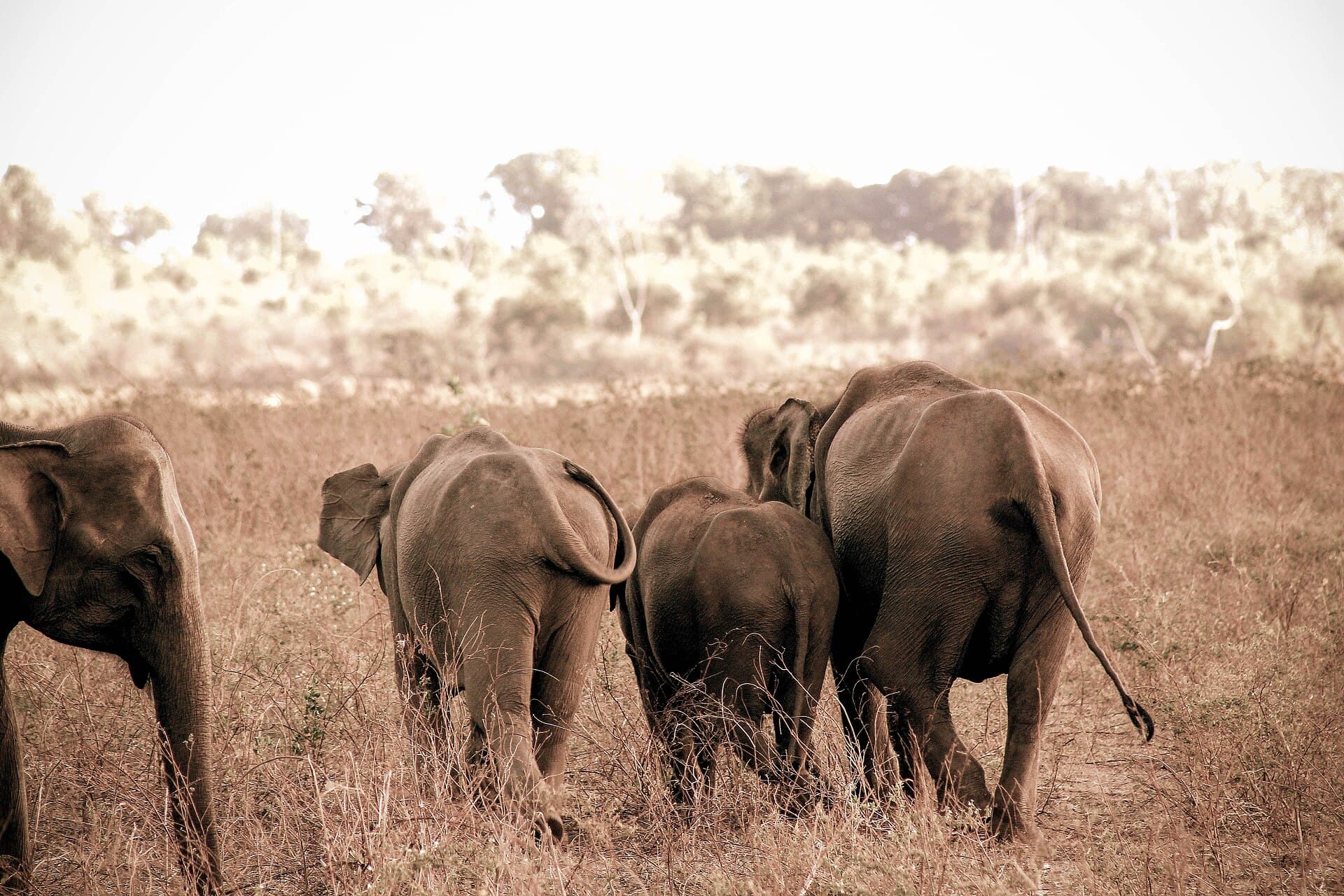
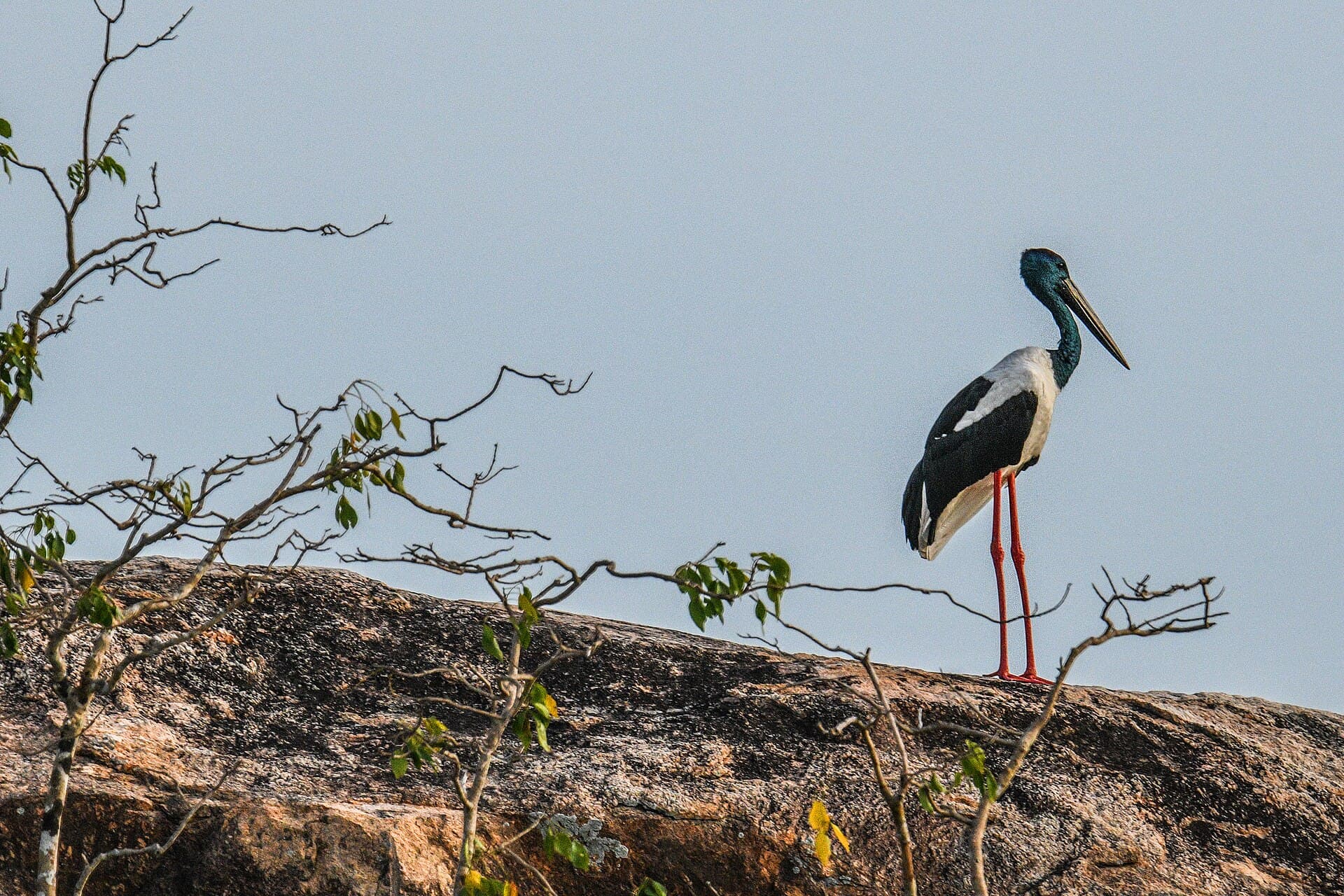
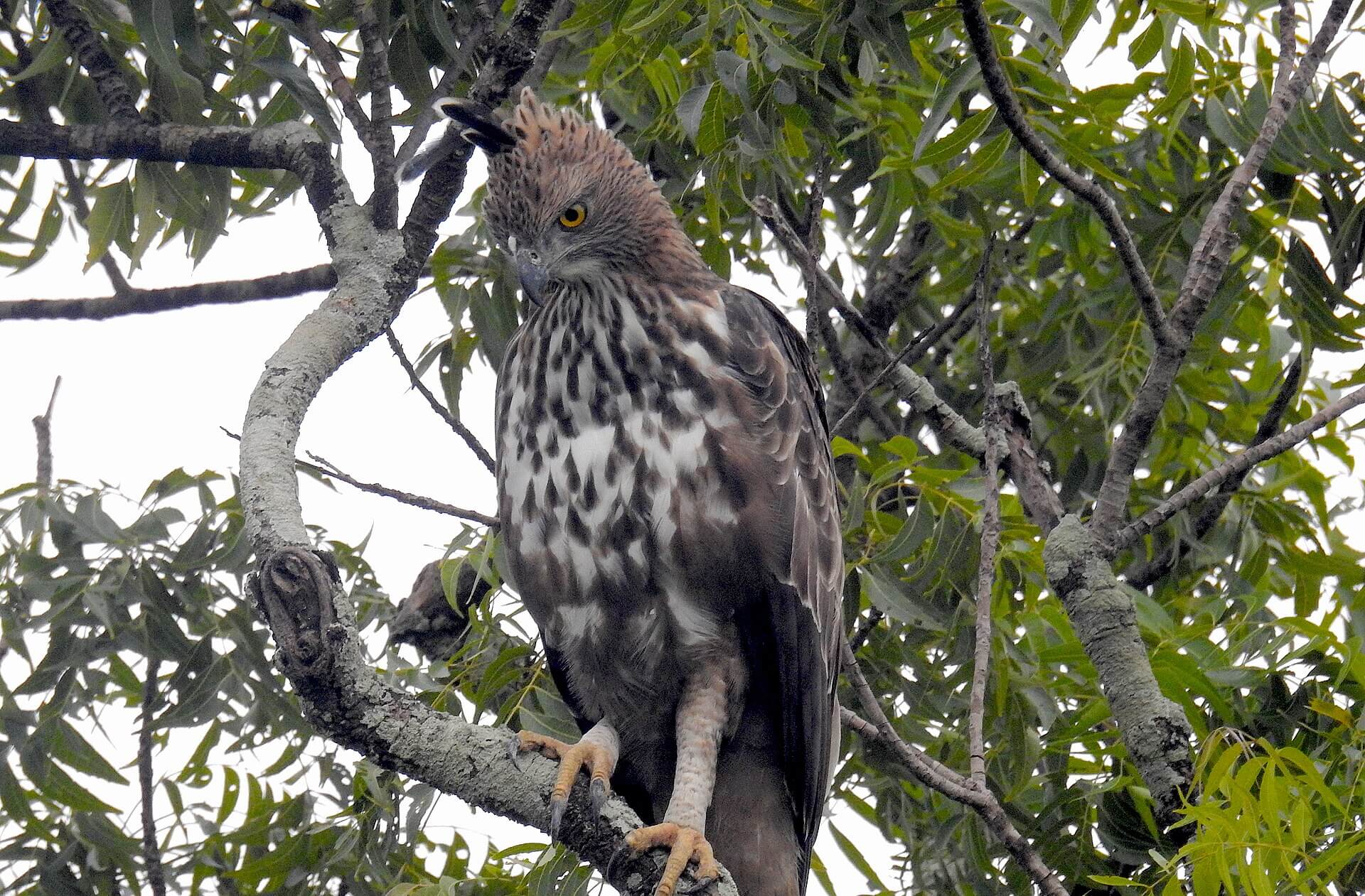
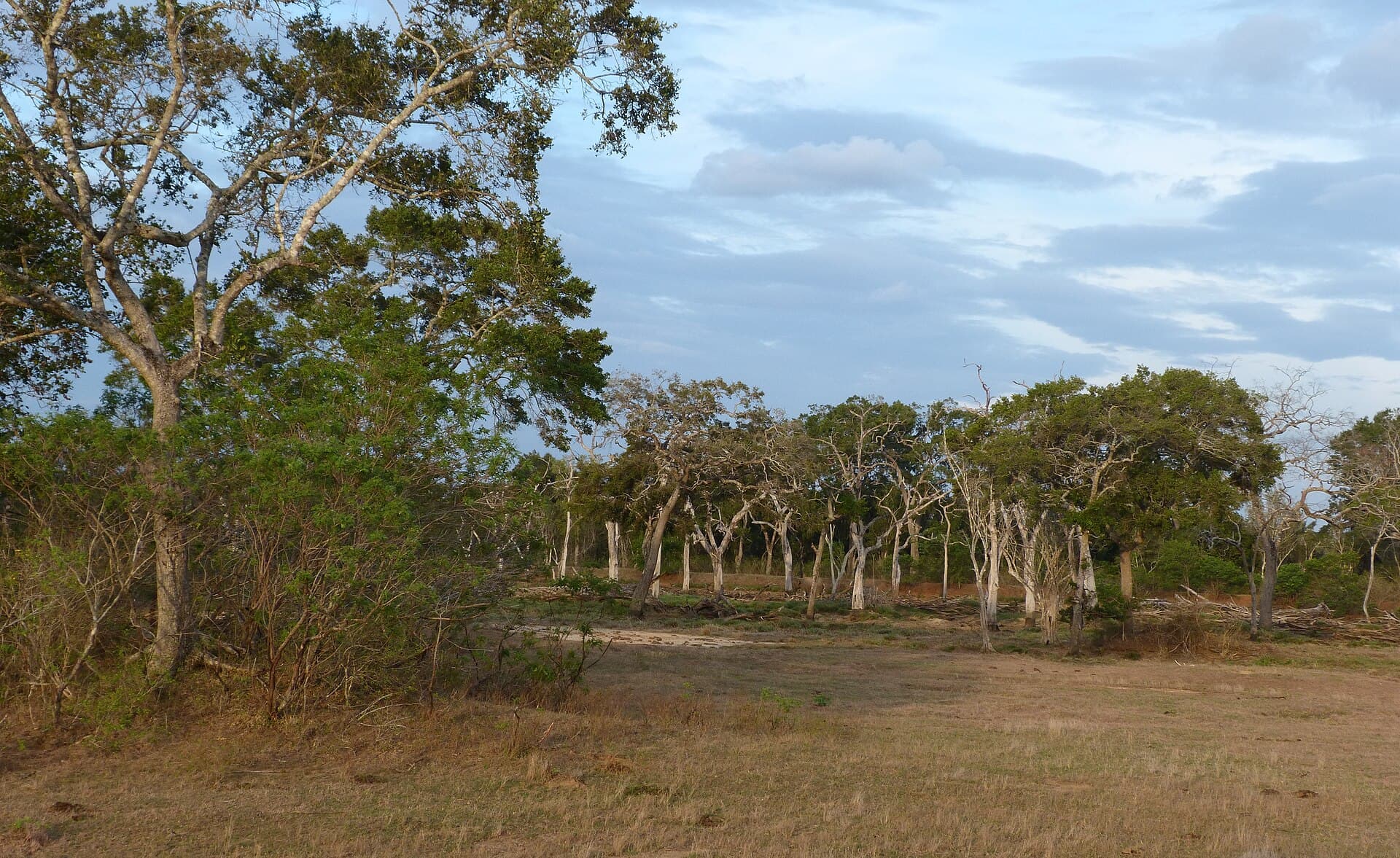
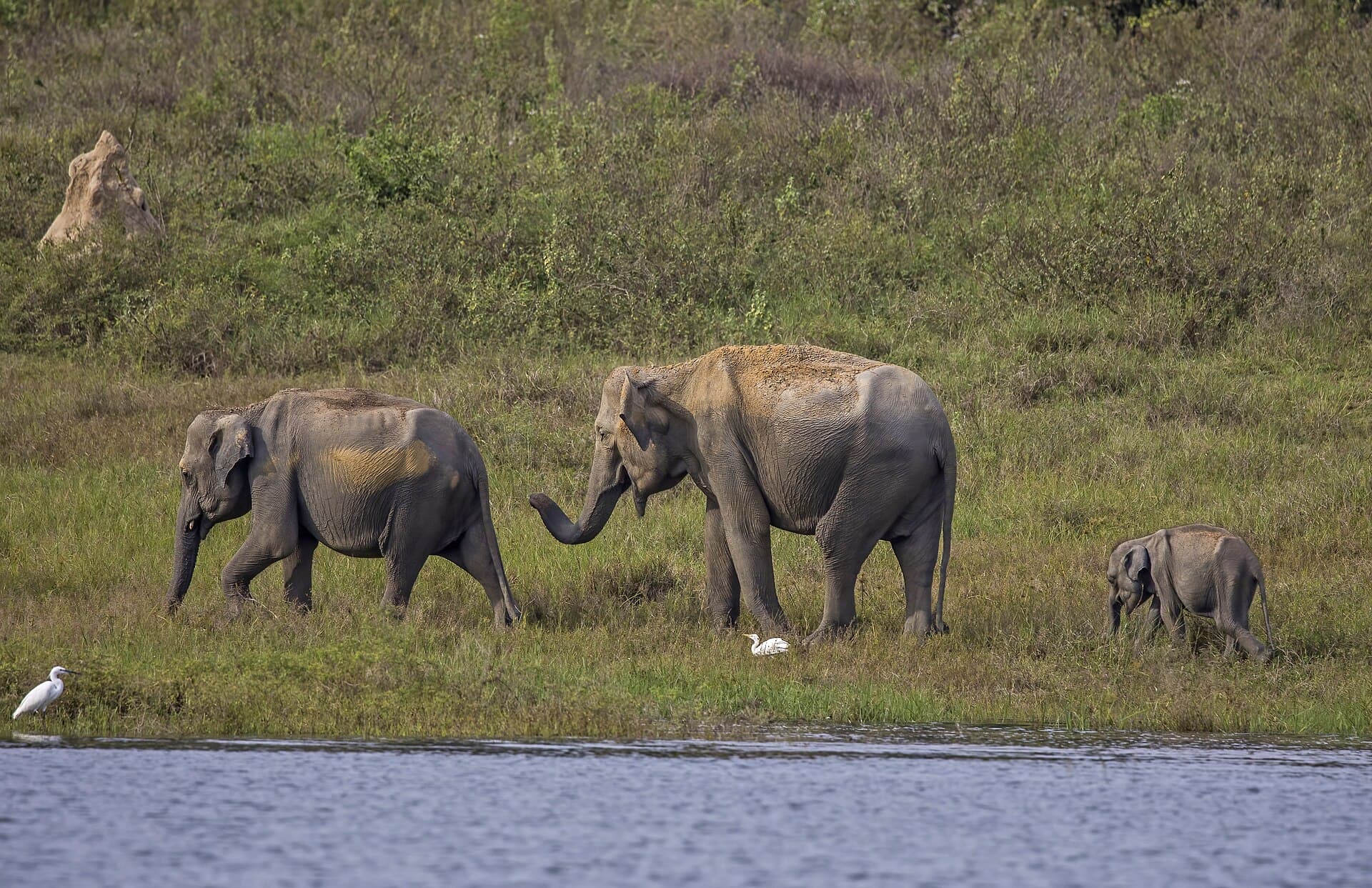
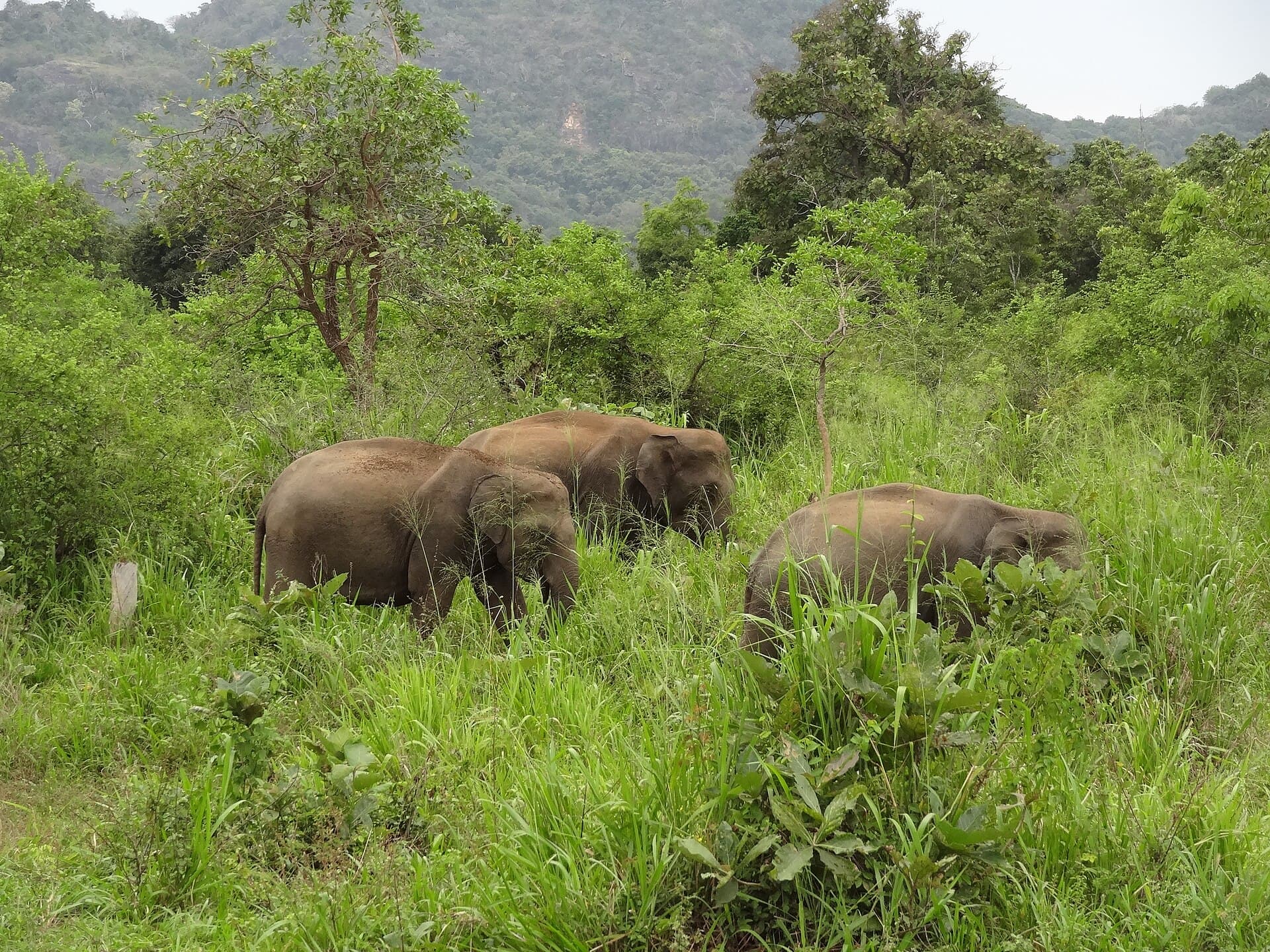
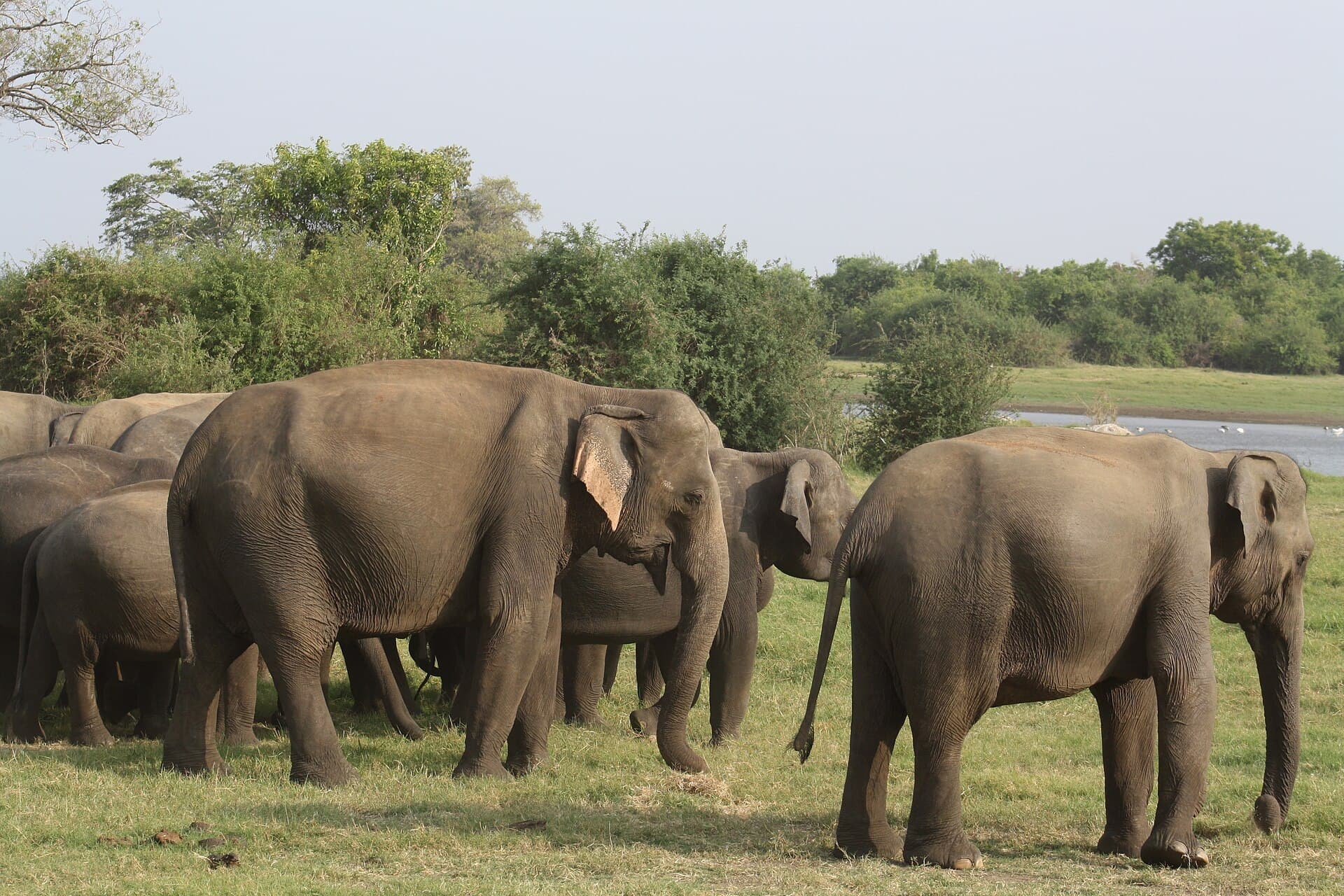
The dry season from around March to September is the strongest window, when fauna gathers at the watering holes across the park and the surrounding vegetation thins out. The park generally runs from 6am to 6pm with morning and afternoon sessions, and half day or full day options. Morning gives the coolest air and the most animal movement, and an early start buys more productive hours on a park this size. Afternoon puts better light across the reservoirs and the rocky outcrops, and is the quieter of the two. The full day is the recommendation here and not merely an upsell. The park is very large, the five reservoirs are spread out, and if you are combining wildlife with a Vedda community visit you want the time to do both properly rather than rushing one. Because Maduru Oya sees so few visitors, you are not competing for position or dealing with radio call convoys. The session is yours to shape, which is exactly what makes a private jeep booking worth it here. Tell your driver at the start whether wildlife, landscape or the cultural visit is your priority and they can plan the route around it. Set expectations on volume. This is not a park that hands you a hundred elephants. It is a quiet, varied, large wilderness where you will see a reasonable amount and almost nobody else.
Maduru Oya sits in the east of the island, roughly 288 kilometres northeast of Colombo, which puts it well outside the standard tourist routes and explains why it stays so quiet. The two park entrances are at Henanigala and Galkada. Aralaganwila is the nearest town of any size to the northern access, and the park is reachable from Polonnaruwa, from Mahiyanganaya on the hill country side, and from the east coast. Visitors commonly come from Polonnaruwa, which allows the ancient city and the park on the same leg of a trip. Others reach it from Pasikuda or Batticaloa on the east coast, and combined safari and village day trips are run from that side. From the hill country, Mahiyanganaya is the natural approach. From Colombo expect a long drive and plan to arrive the day before rather than attempting a same day session. Accommodation near the park is limited compared with the southern circuit, so book ahead rather than relying on finding something on arrival. Bring the standard dry zone kit of sunscreen, hat, sunglasses and plenty of water, plus a light layer for an early start. Facilities inside the park are minimal so plan to be self sufficient for the session. Binoculars are worth carrying given the open plains and the reservoir margins. For photography a lens in the 300mm range covers most wildlife situations, and a wider lens earns its place on the granite outcrops and across the reservoir landscapes.
*Note: Prices include service charges and VAT. Rates are subject to change.