National Park
Flood Plains National Park
Flood Plains National Park protects a stretch of the Mahaweli River corridor and the elephant route between Wasgamuwa and Somawathiya. It is currently closed to general visitors for conservation reaso...
Flood Plains National Park protects a stretch of the Mahaweli River corridor and the elephant route between Wasgamuwa and Somawathiya. It is currently closed to general visitors for conservation reaso...
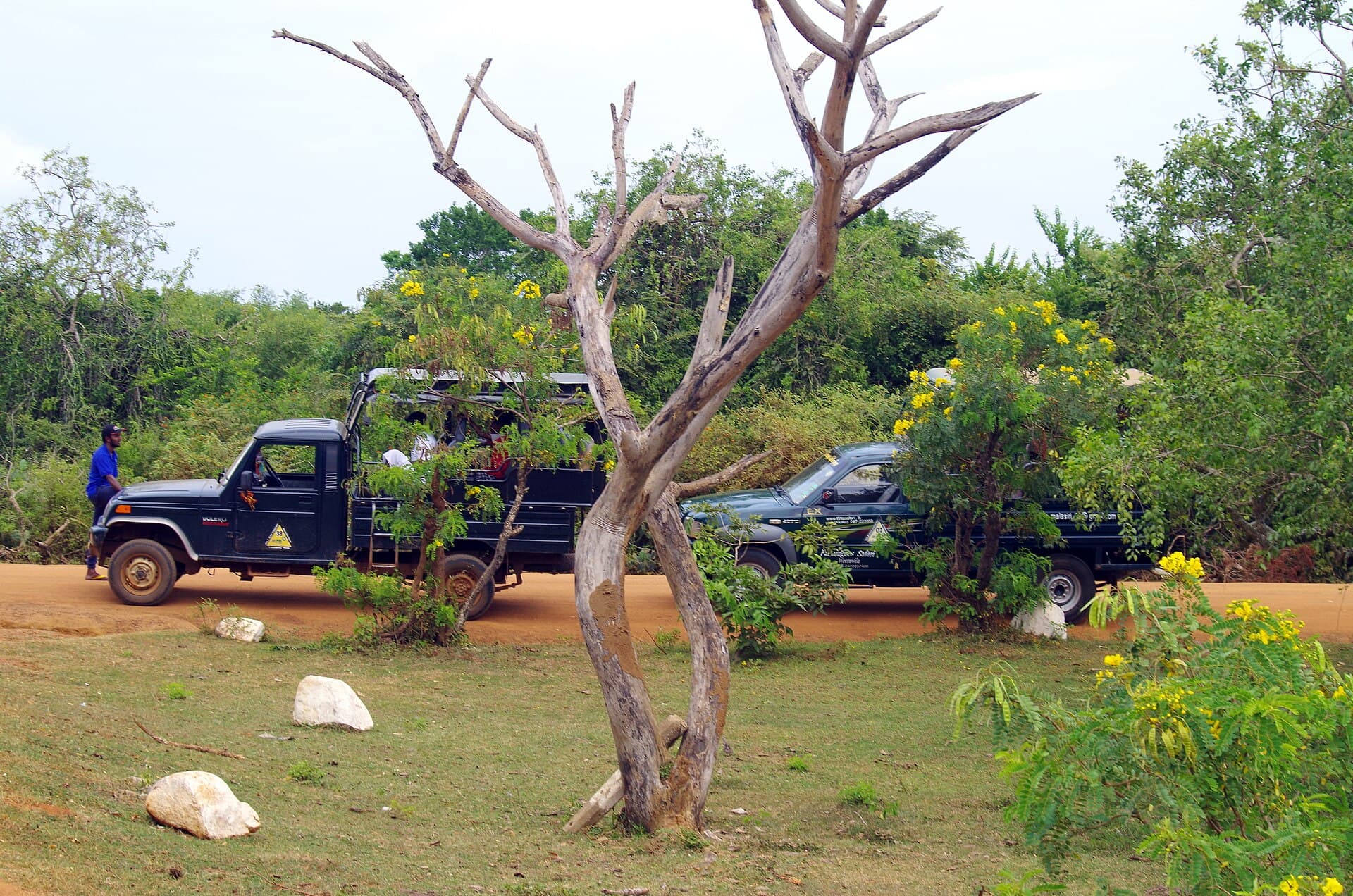
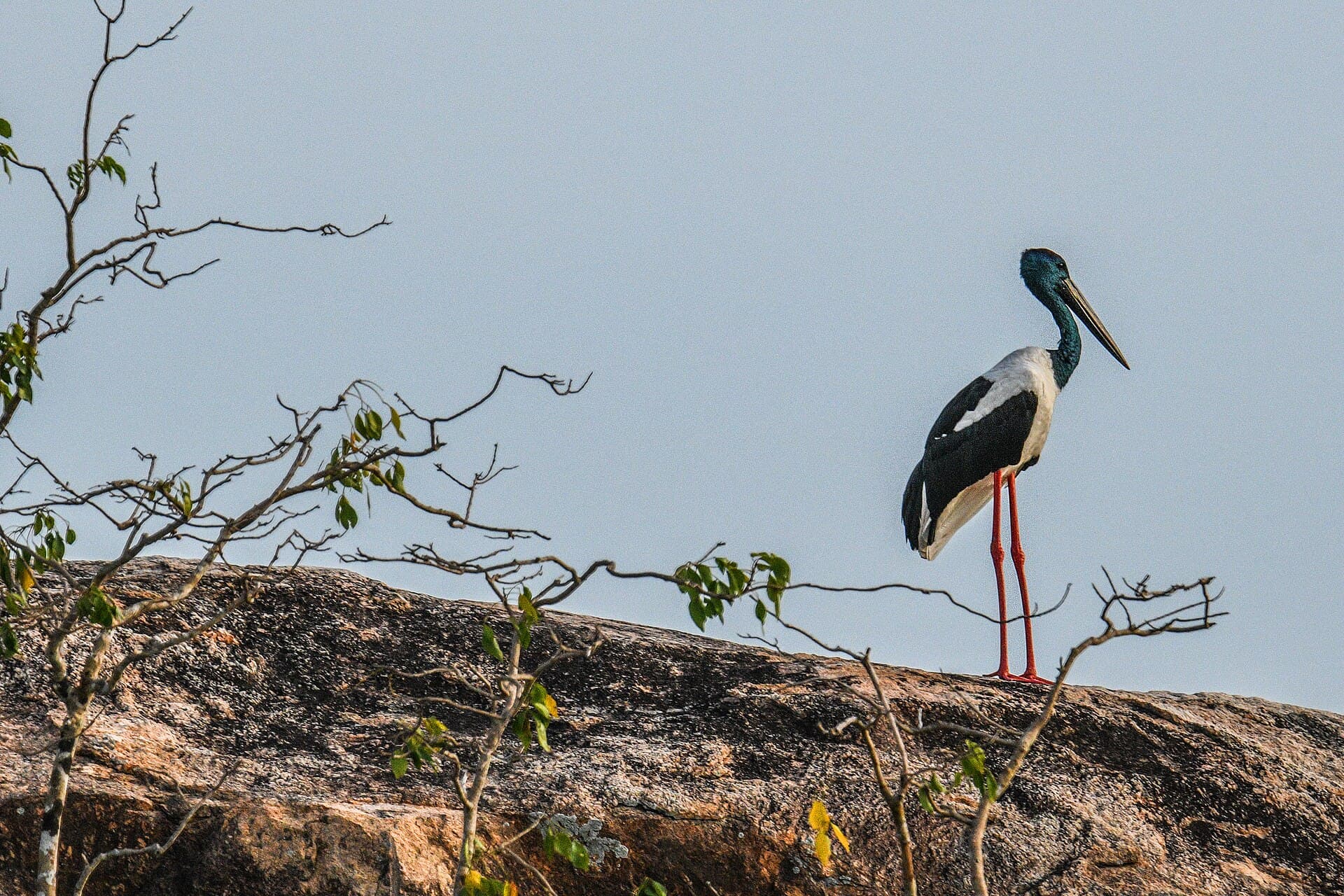
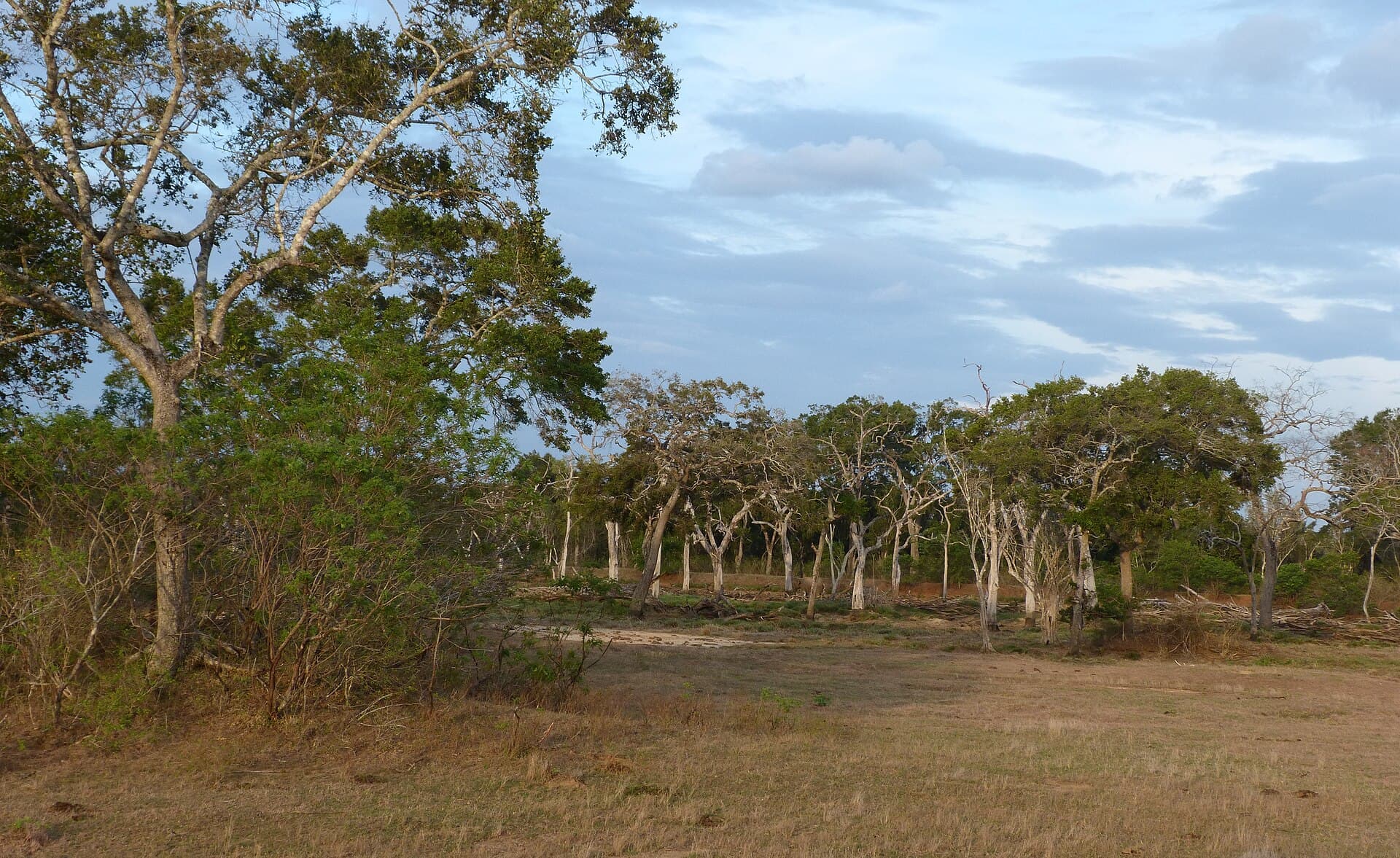
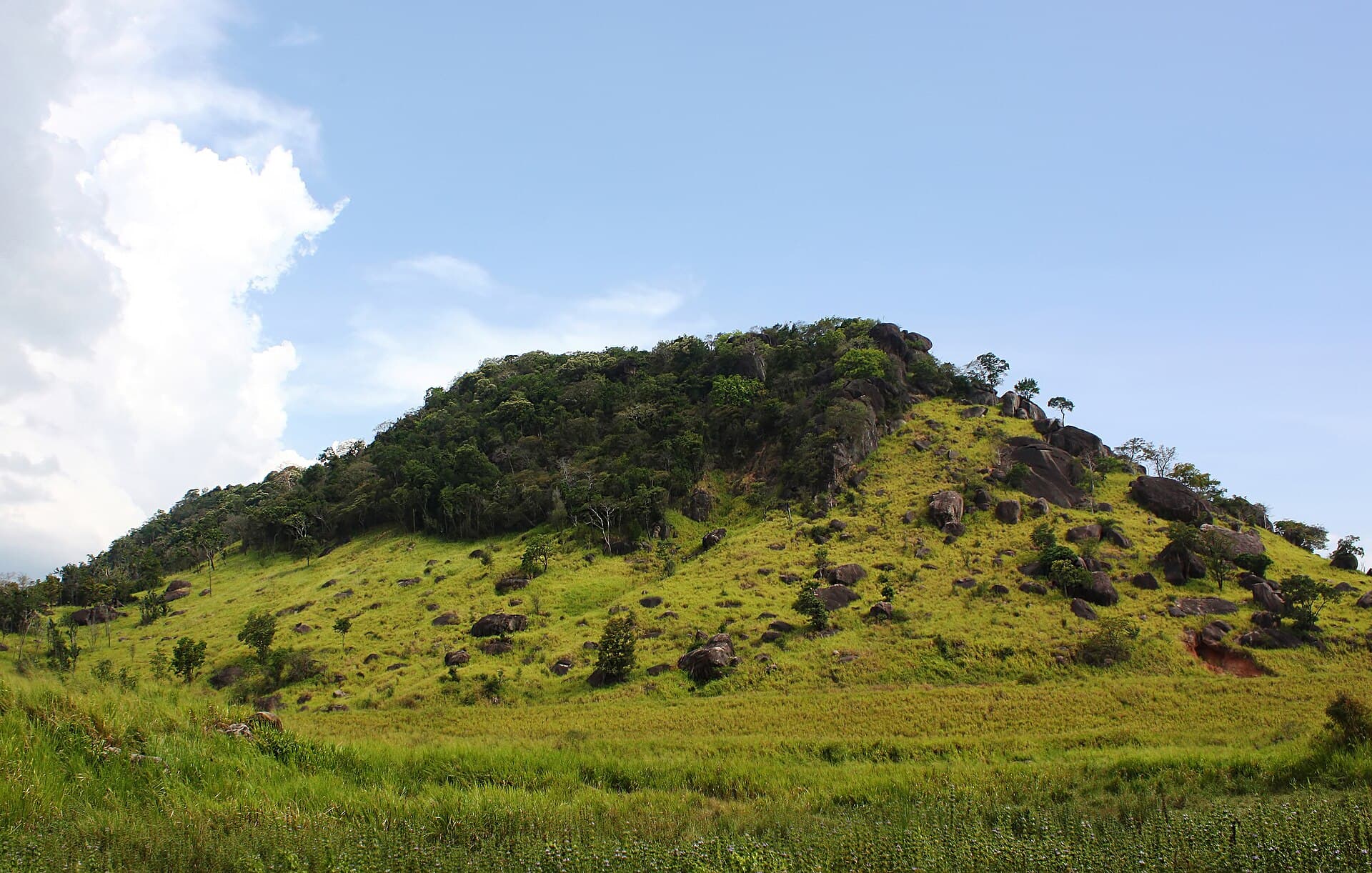
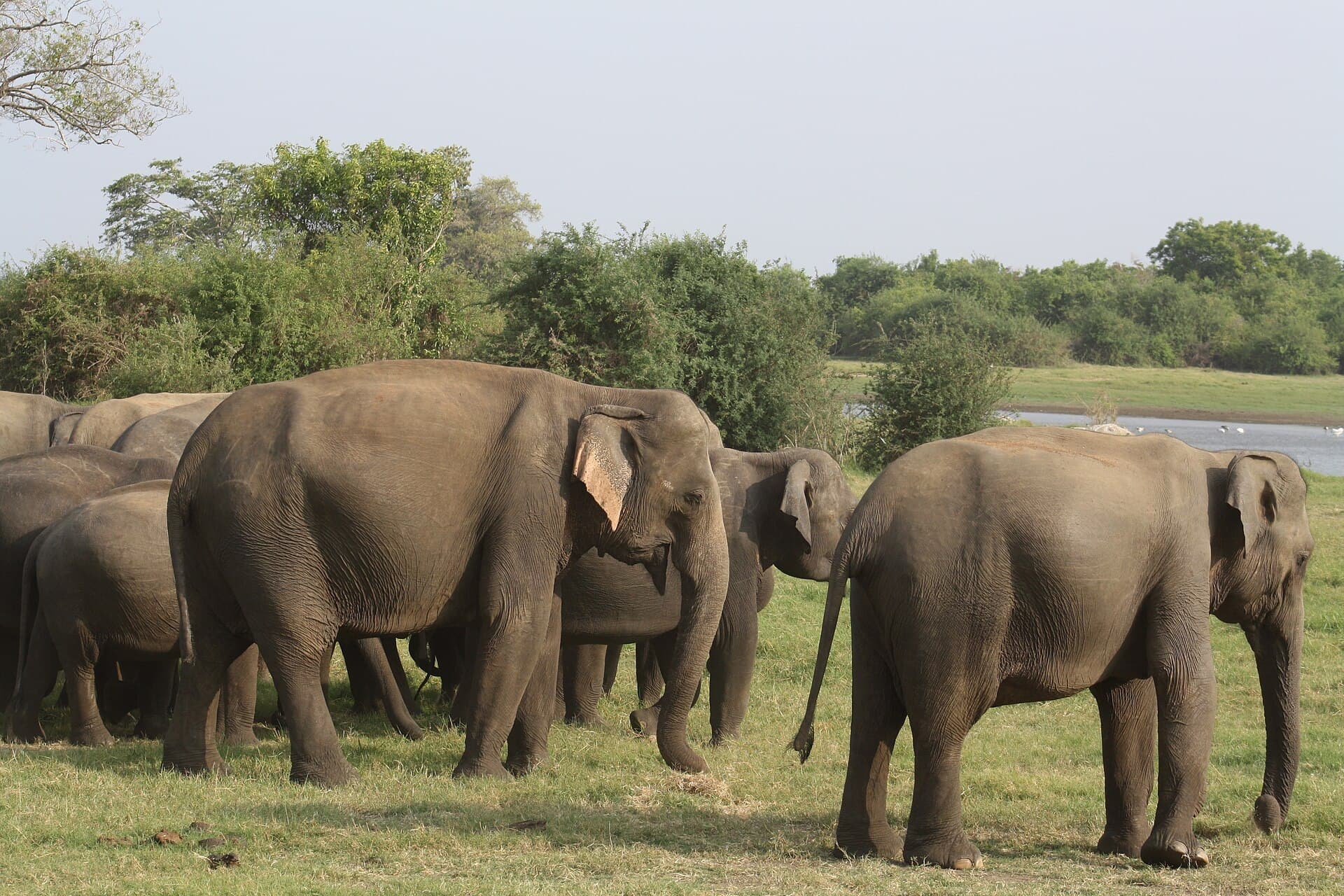
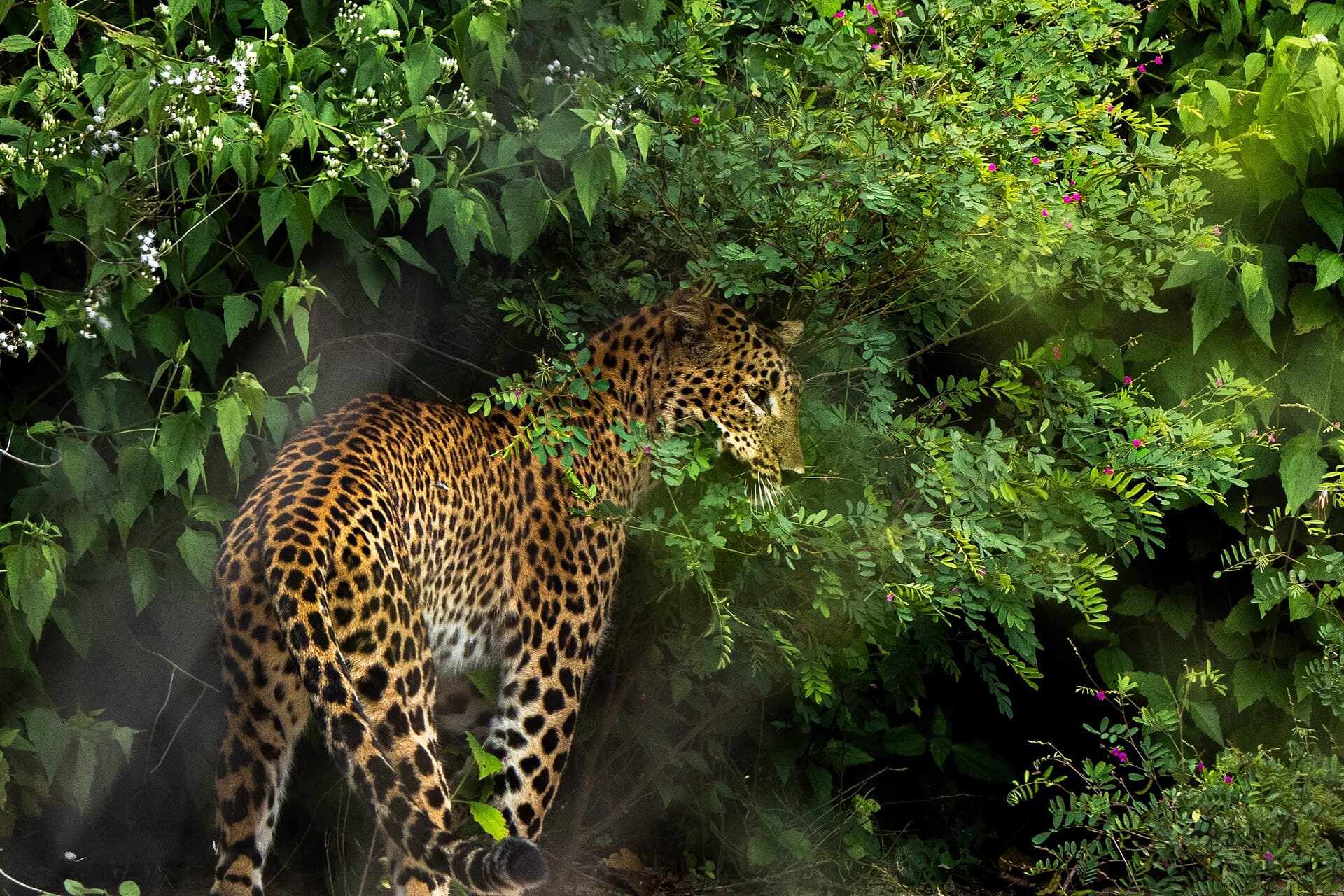
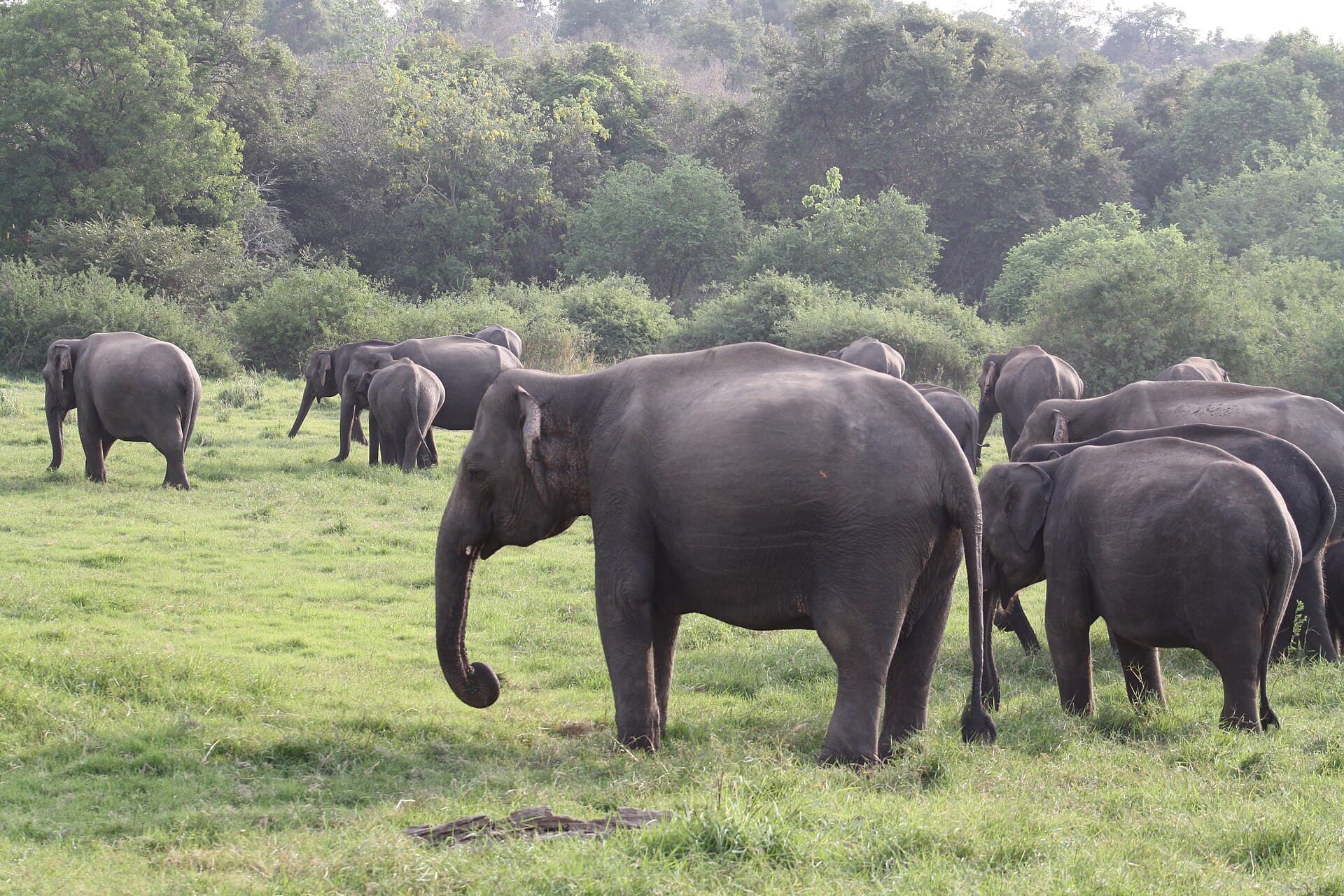
Located in the Mahaweli river basin, this park is essential for the survival of elephants in the region, providing a lush, water-rich habitat.Wildlife Safari ExperienceA jeep safari tour here is a rugged experience, often navigating muddy trails and riverine vegetation. The safari jeep experience is focused on the river's edge where wildlife is most active.Wildlife HighlightsElephants are seen in high numbers, along with fishing cats and a vast array of resident and migratory waterbirds.Landscape & EcosystemThe park consists of 'villus' (marshy lakes), riverine forests, and swampy grasslands, making it one of the greenest safari destinations.Best Time to VisitThe dry season from June to September is best, as the floodwaters recede making the park accessible.
Total Area
173 sq km
Established
1984
City
Polonnaruwa
Coordinates
7.9167000, 81.1667000
No jeeps available yet
Check back soon for safari jeeps at this destination.
Flood Plains National Park protects a section of the Mahaweli River corridor in the North Central Province near Polonnaruwa, covering roughly 373 square kilometres. It was declared a national park in August 1984. The defining feature is the villus, the shallow marshy depressions that characterise these flood plains. Prolonged seasonal flooding in these low lying basins produces exceptionally high primary productivity, and the rich grazing that results attracts large numbers of grazing animals and birds. It is the same mechanism that makes neighbouring Somawathiya such a strong elephant habitat. The park matters most as a corridor. It is an important habitat for Asian elephants in its own right and, critically, provides the route that allows elephants to move between Wasgamuwa and Somawathiya. Without that link the two populations would be far more isolated. It forms a critical connection in the wider Mahaweli River system that also takes in Minneriya. Waterbirds do well across the villus and river channels, and the flood plain habitat supports species less common in the drier scrub parks. For visitors, the practical position is straightforward. This is a conservation area rather than a safari destination, and the wildlife it protects is best seen from the parks either side of it.
The most useful thing to know about Flood Plains National Park is that you cannot currently book a safari here. The park is closed to general visitors in order to enable more effective wildlife conservation. We would rather tell you that plainly than sell you a booking that does not exist. If you have found this page while planning a trip, the parks either side of it are where you want to look. This closure is a conservation decision rather than a temporary access problem. The park's primary value is as a wildlife corridor, and keeping vehicle traffic out of it protects the elephant movement between Wasgamuwa and Somawathiya that the park exists to safeguard. That is worth understanding rather than resenting. Sri Lanka's protected areas are increasingly fragmented by farmland and settlement, and corridors like this one are what keep separate elephant populations connected to each other. A park that quietly does that job is doing something more valuable than another set of jeep tracks. If access arrangements change in future, the position here will change with them. For now, treat Flood Plains as part of the landscape you are travelling through rather than a destination to book. The sections below cover where to go instead and what you would be seeing if you could visit.
The wildlife that Flood Plains protects can be seen in the parks that surround it, and two of them are excellent. Somawathiya is the closest equivalent and the obvious substitute. It sits on the same Mahaweli flood plains northeast of Polonnaruwa, it has the same villu landscape, and it holds an estimated four hundred elephants. If the flood plain habitat is what drew you here, Somawathiya gives you exactly that and you can actually book it. Wasgamuwa is the other end of the corridor, bordered by the Mahaweli and Amban rivers. It is a large, very quiet park where the elephants have had little exposure to jeeps and behave as genuinely wild animals. It is a different experience from the flood plains but it protects the same elephant population. Minneriya and Kaudulla are within the wider Mahaweli system and are the places to go for the seasonal gathering, the largest congregation of Asian elephants anywhere. Minneriya runs roughly July to September and Kaudulla around October to November. Polonnaruwa makes a practical base for all of these, and it puts the ancient city on the same trip. If you were routing toward Flood Plains, you are already in the right part of the country. Pick one of the four above and you will have a better day than the closed park would have given you.
Compare parks before you book. Each one suits a different trip.
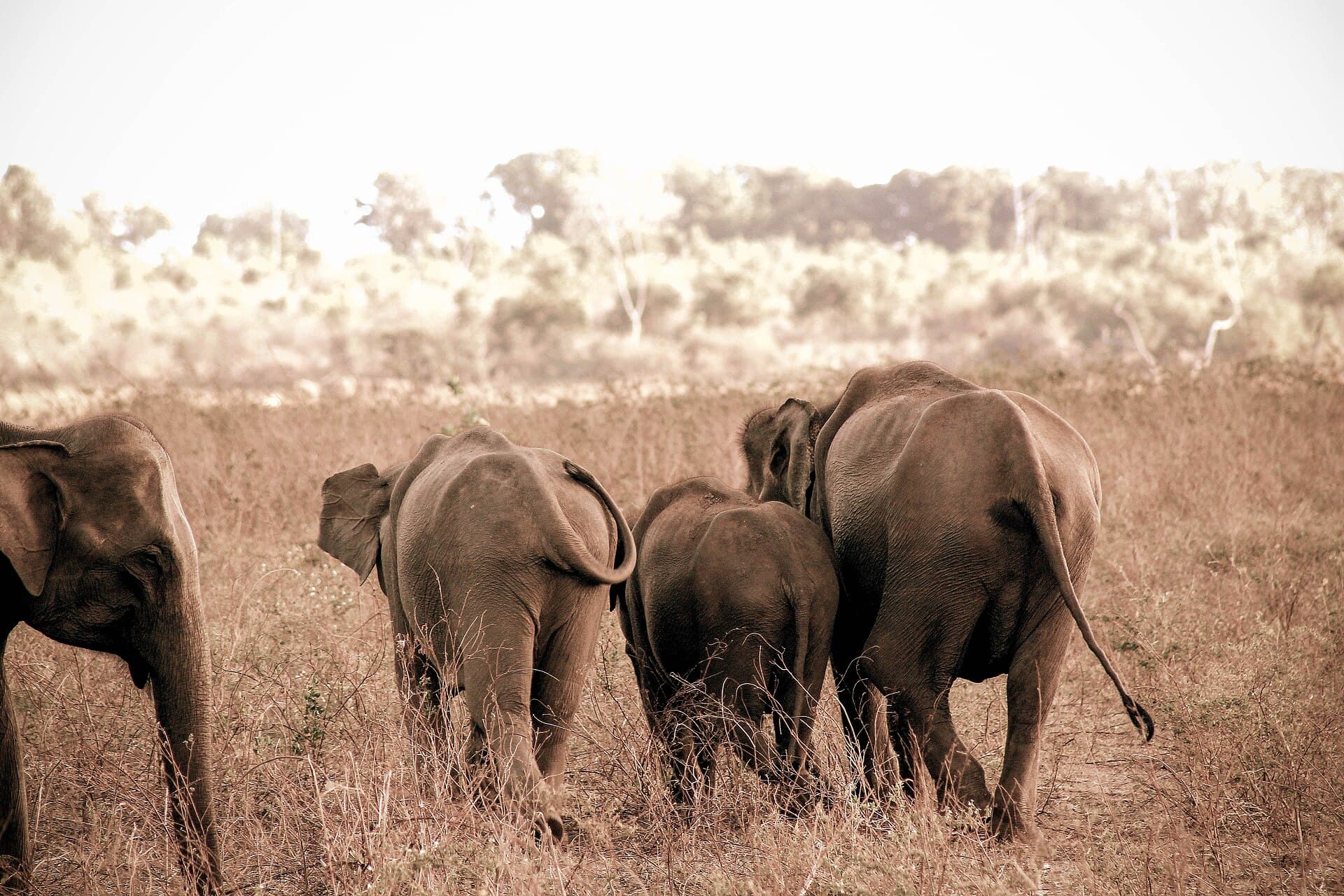
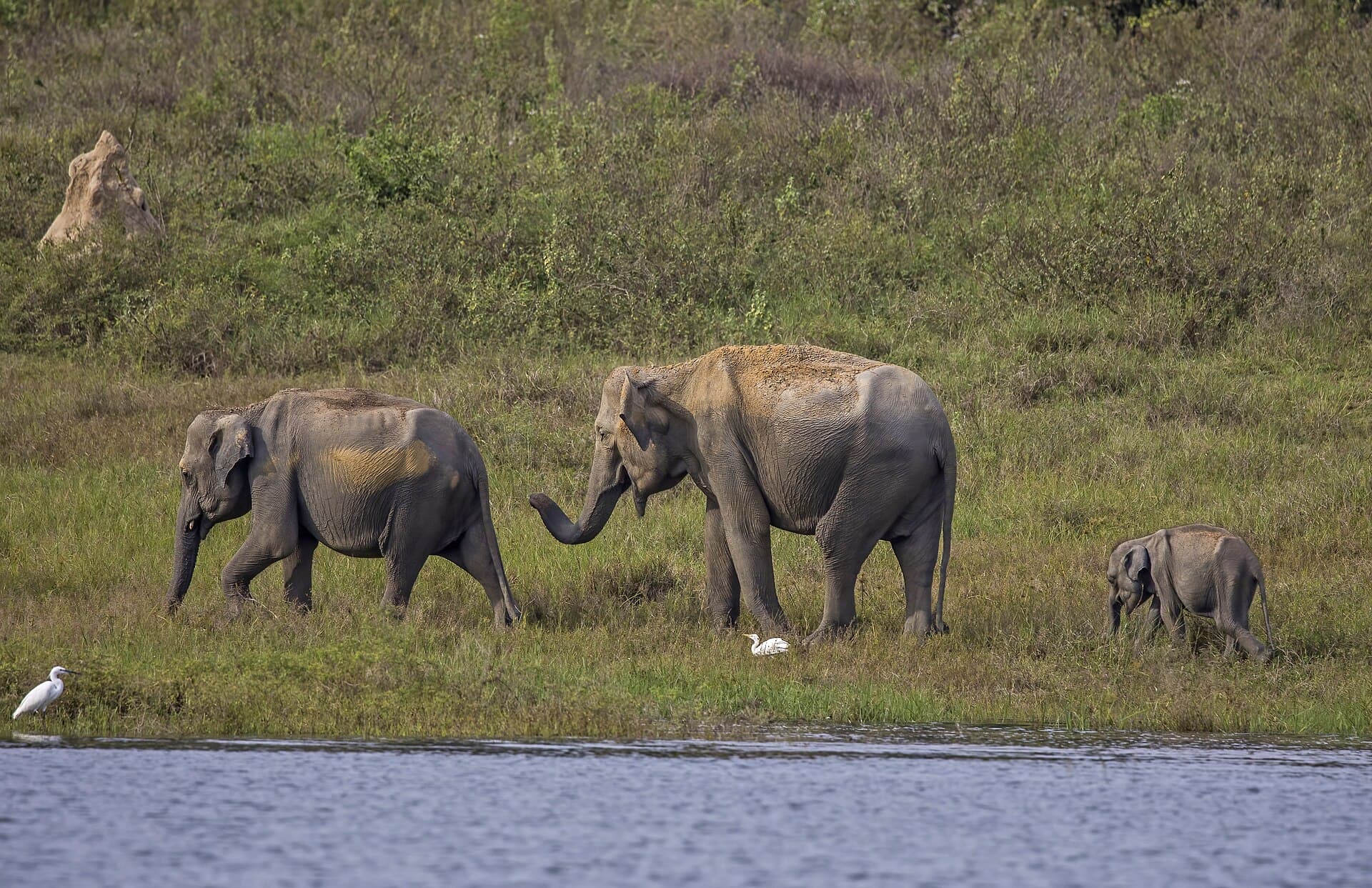
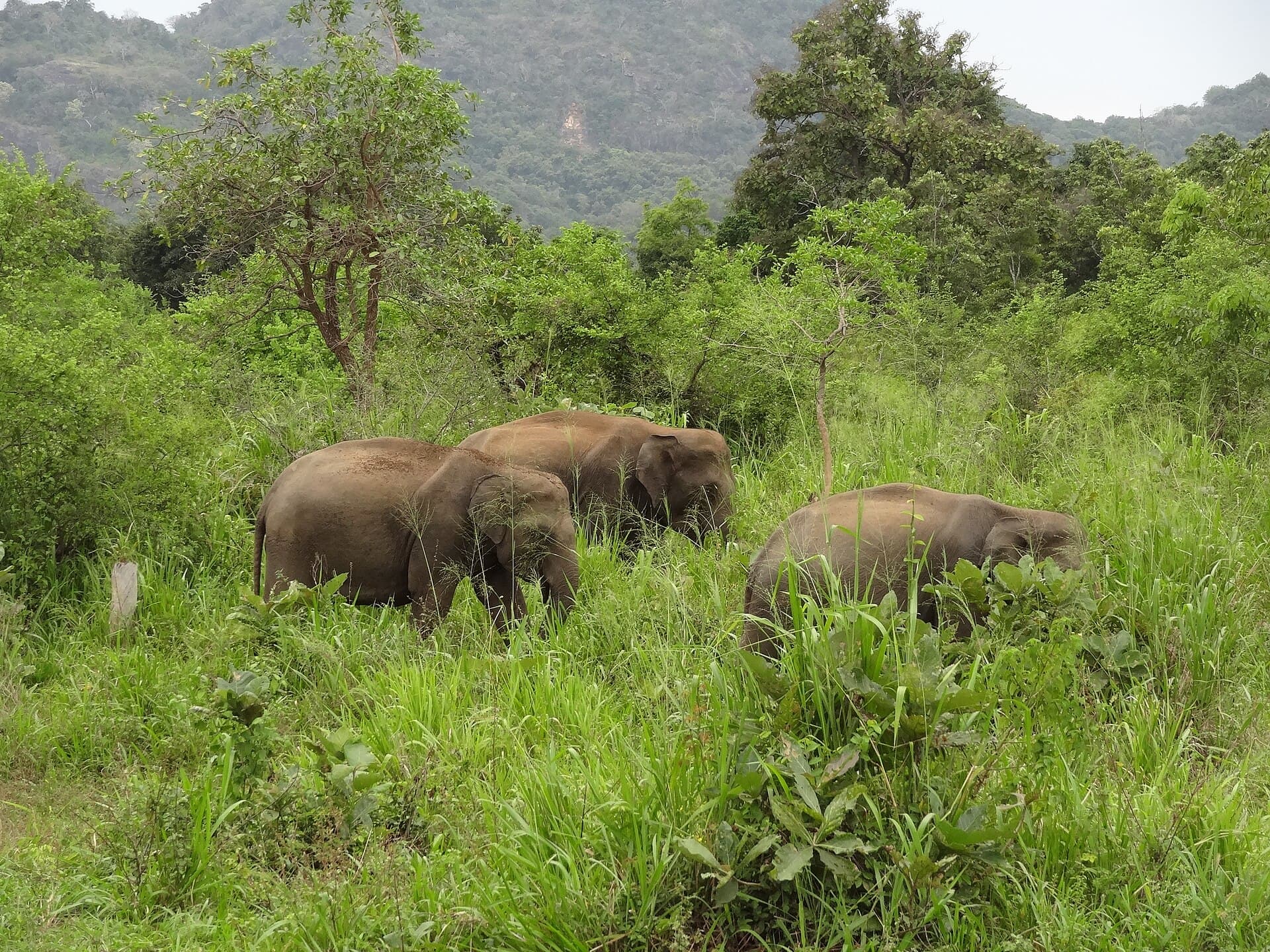
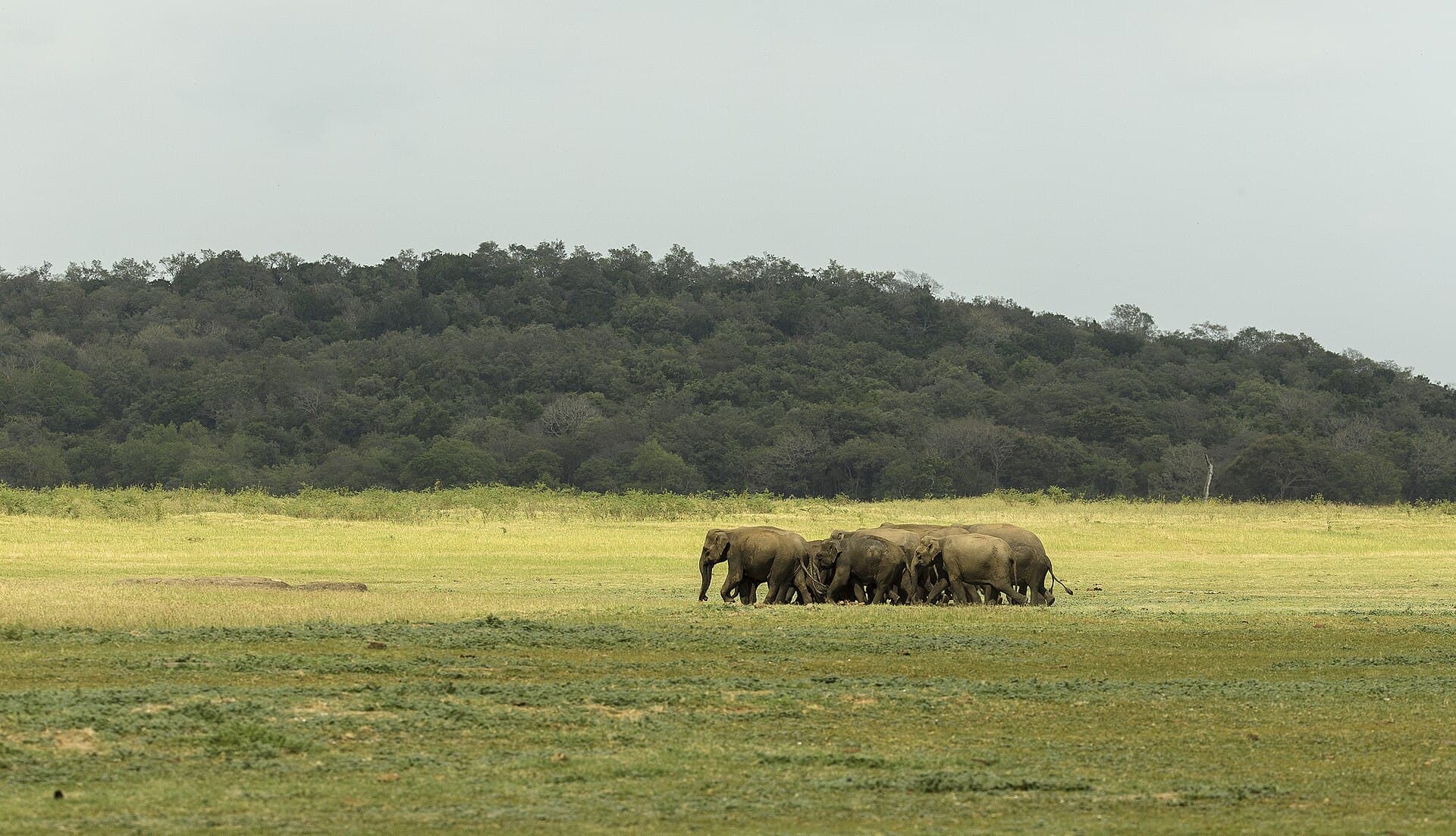
Flood Plains is a good illustration of something that shapes wildlife across the whole dry zone, and it is worth understanding whichever park you end up booking. Elephants are not static populations. They move over large distances following water and grazing, and those movements are seasonal and long established. The gathering at Minneriya, the corridor at Lunugamvehera and the rotation through Kaudulla and Hurulu are all expressions of the same behaviour. The problem is that the land between protected areas has largely been converted to farmland and settlement. Where the routes between parks are broken, elephants either stop moving, which concentrates pressure on a shrinking habitat, or they attempt the journey anyway and come into conflict with people along the way. Human and elephant conflict in Sri Lanka is substantially a story about blocked corridors. Flood Plains keeps one of those routes open along the Mahaweli, linking Wasgamuwa and Somawathiya. That is a quieter kind of value than a park full of jeeps, but it is arguably a more important one. For a visitor, the practical takeaway is that the gatherings and corridor movements that make Sri Lankan safaris so good depend on land that is not itself a safari destination. Booking the parks that are open, and keeping distance and discipline when you are in them, is part of what makes the system work.
*Note: Prices include service charges and VAT. Rates are subject to change.