National Park
Udawalawe National Park
Udawalawe is the most dependable place in Sri Lanka to see wild elephants, with open grassland around a large reservoir that makes for easy viewing from a jeep. Safaris run morning and afternoon and i...
Udawalawe is the most dependable place in Sri Lanka to see wild elephants, with open grassland around a large reservoir that makes for easy viewing from a jeep. Safaris run morning and afternoon and i...
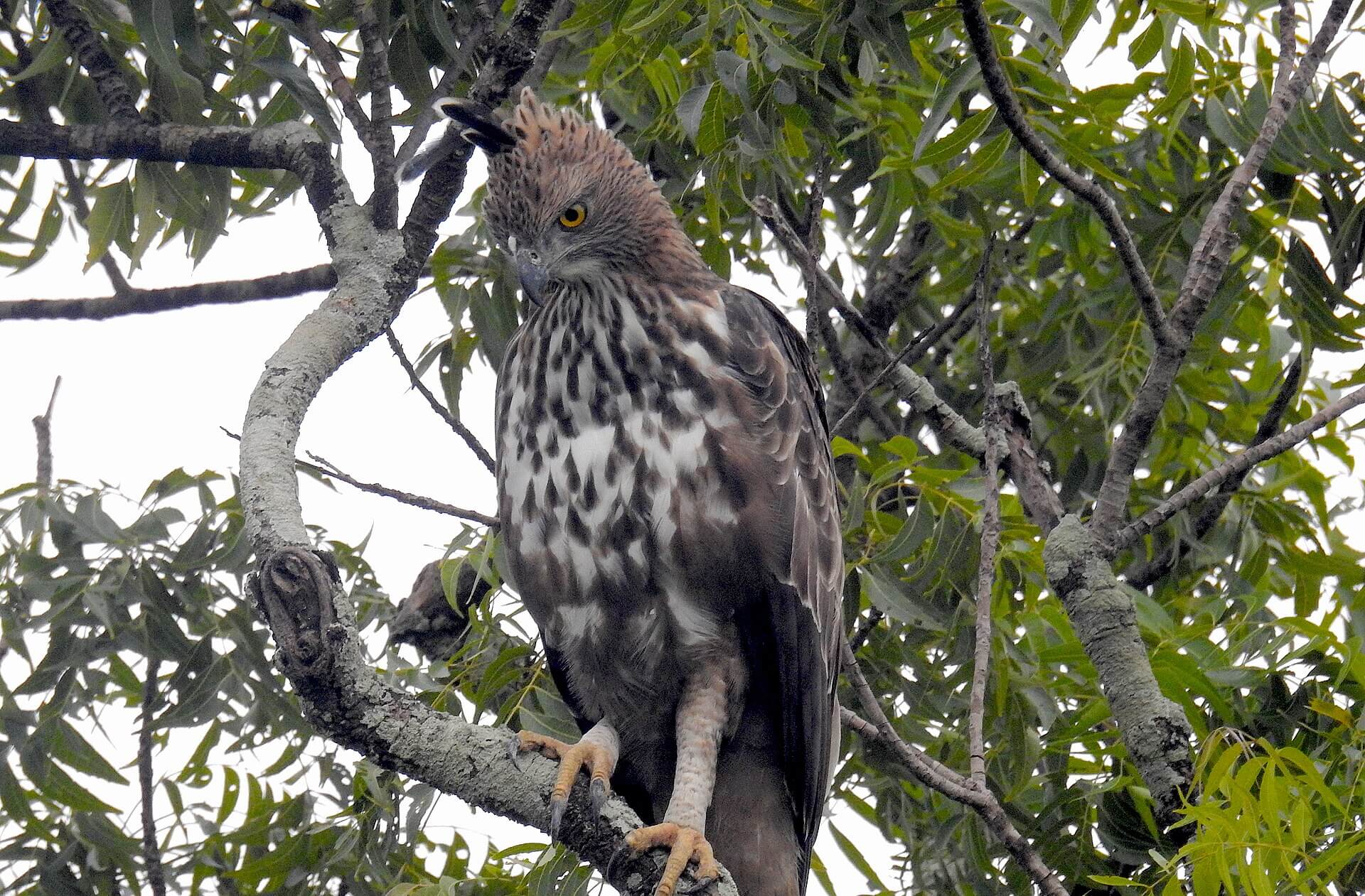
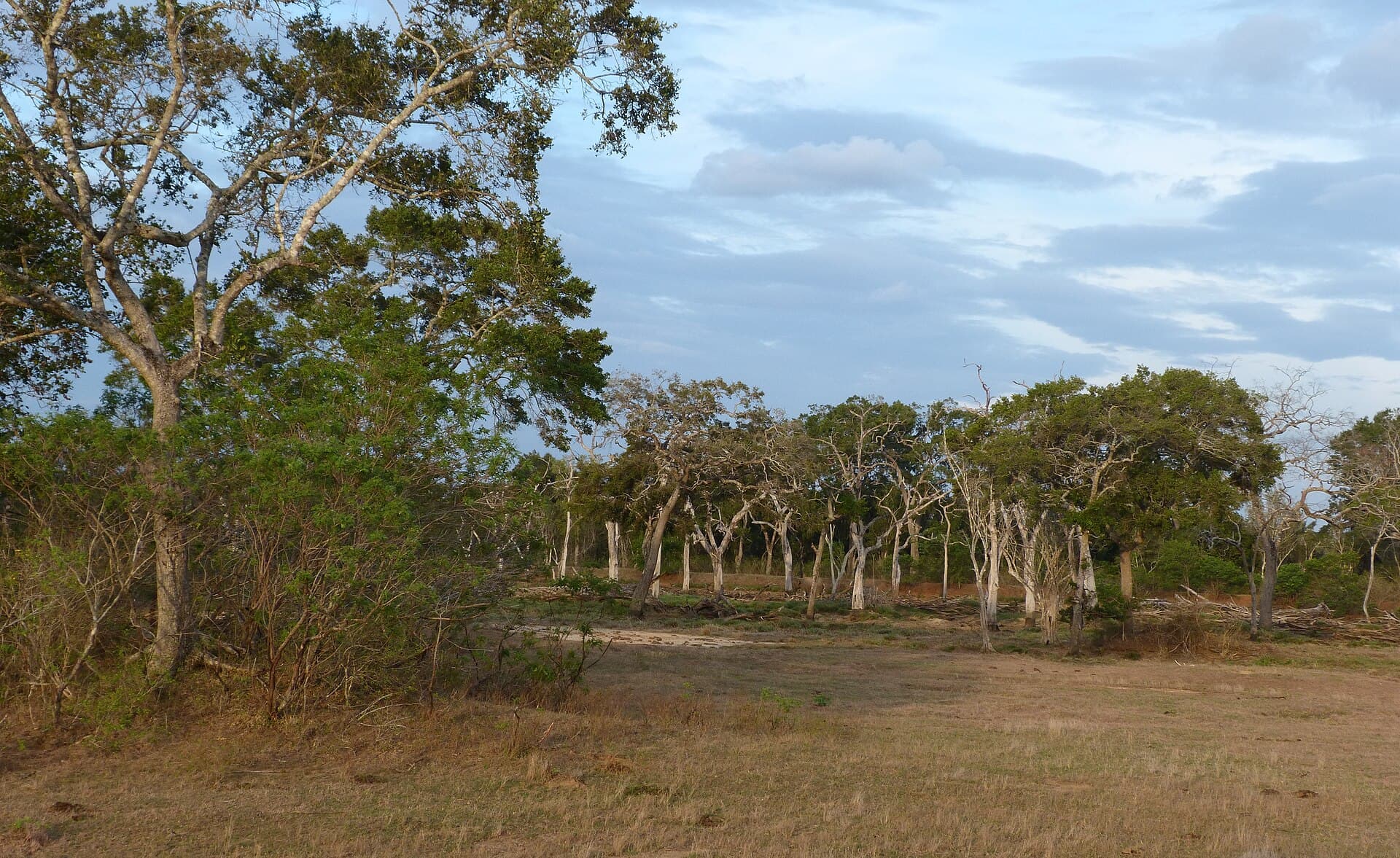
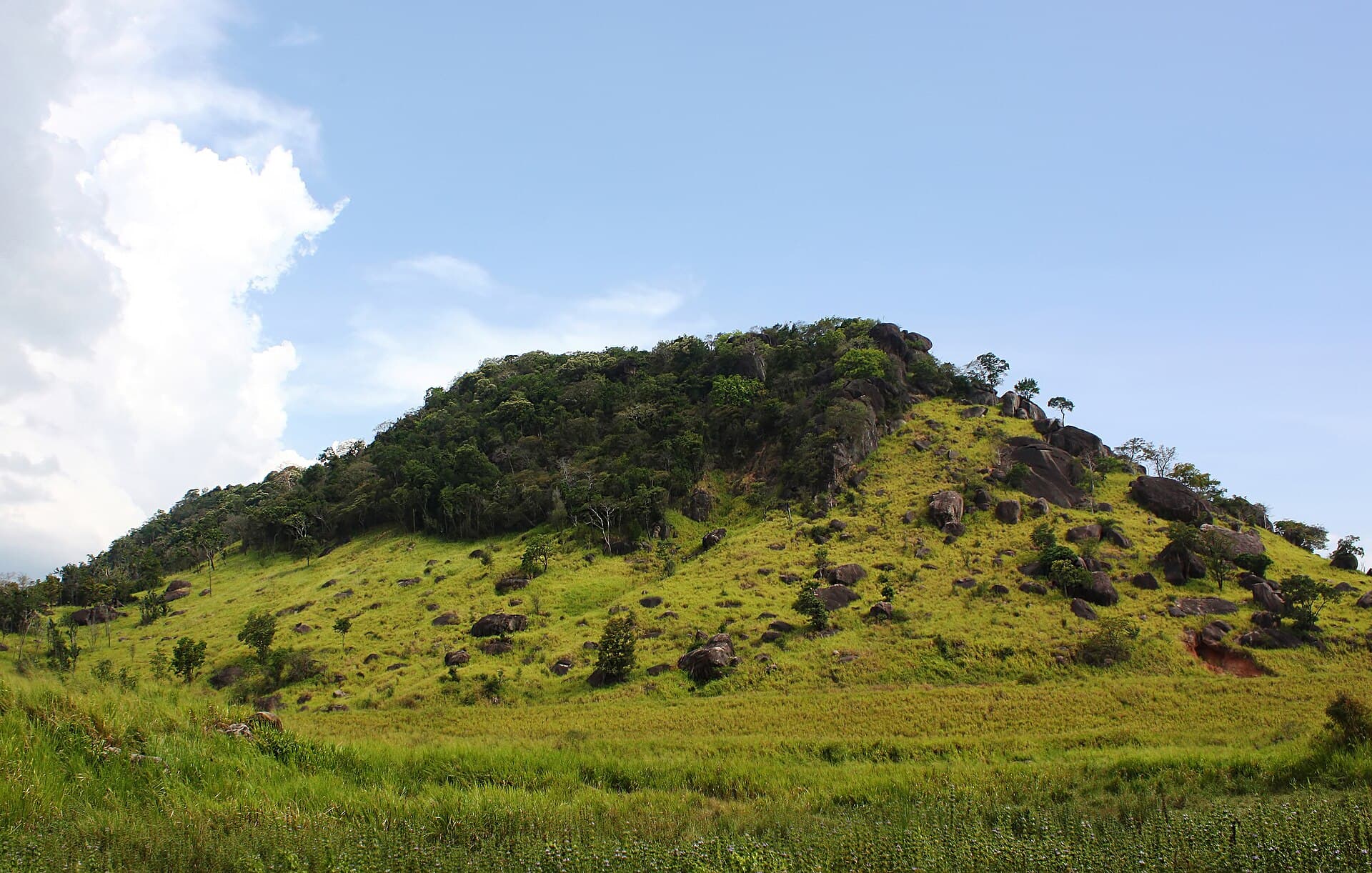
Established as a sanctuary for wild animals displaced by the Udawalawe Reservoir, this park has become one of the best places in Asia to observe wild Asian Elephants in their natural habitat.Wildlife Safari ExperienceA jeep safari tour in Udawalawe feels like an African savannah adventure. Because of the open grasslands and the central reservoir, visibility is excellent. The park is less congested than Yala, providing a more peaceful safari jeep experience for photographers and nature enthusiasts.Wildlife HighlightsThe primary attraction is the elephant population, often seen bathing or playing in the water. You may also spot the Sri Lankan Leopard (though rare), Rusty-spotted Cats, Sloth Bears, and Water Buffalo. It is an exceptional location for seeing birds of prey like the Crested Serpent Eagle.Landscape & EcosystemThe landscape is characterized by open grasslands, marshes, and teak plantations. The massive Udawalawe reservoir serves as the lifeblood of the park, creating a stunning backdrop for sunset safaris.Best Time to VisitWhile the park is a year-round destination, the months between May and September are particularly good for witnessing elephants near the reservoir.
Total Area
308 sq km
Established
1972
City
Embilipitiya
Coordinates
6.4741000, 80.8872000
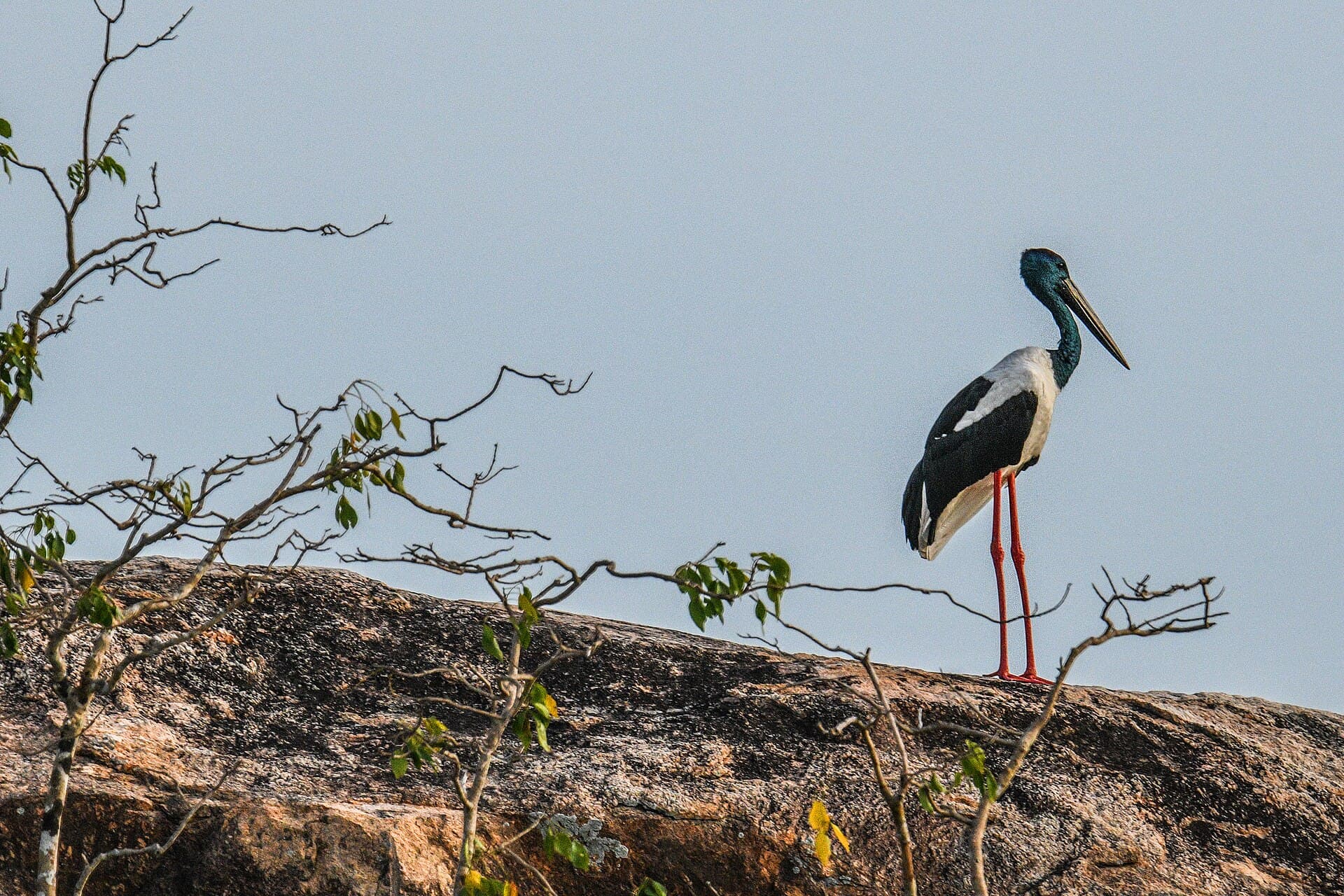
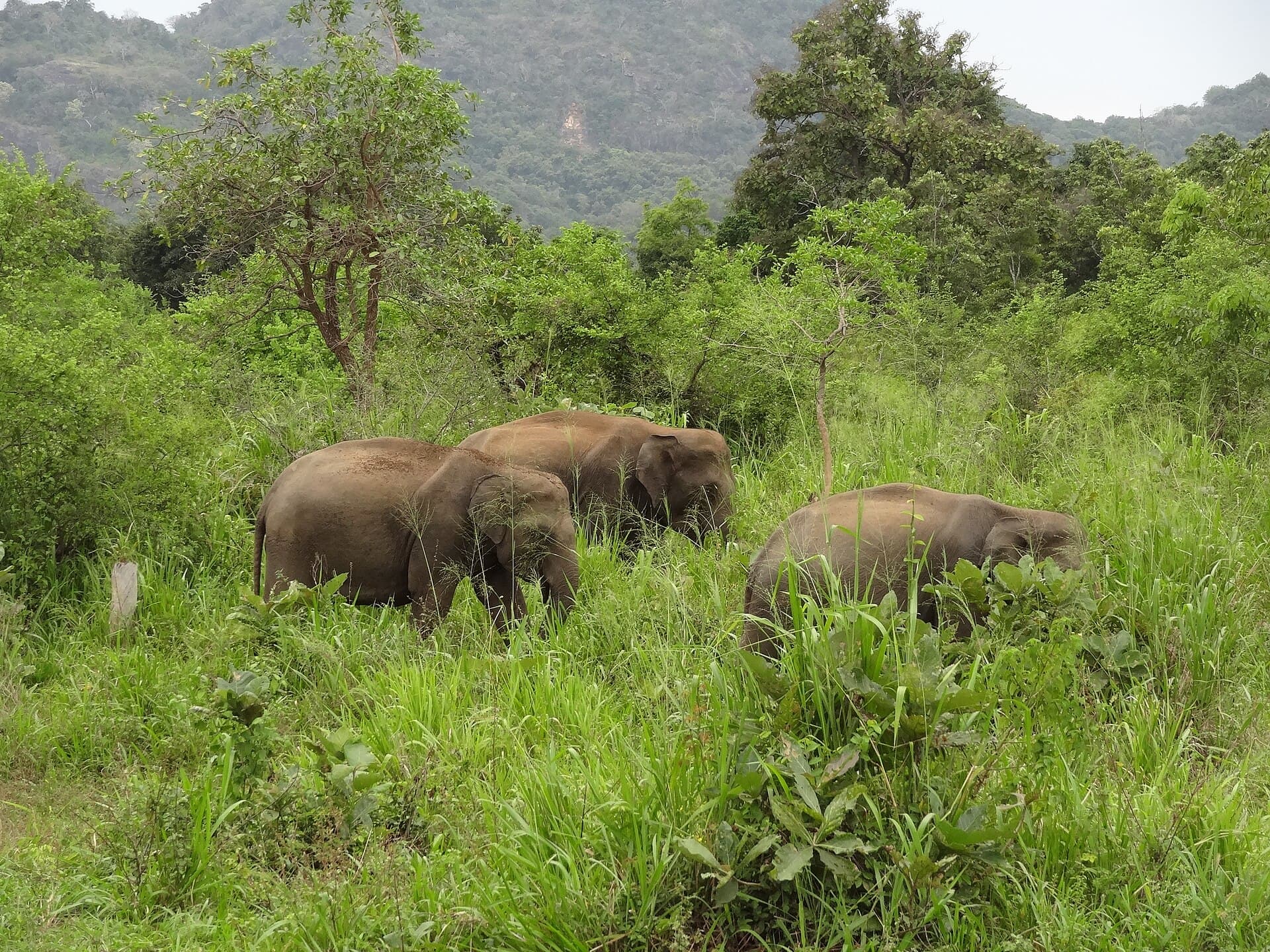
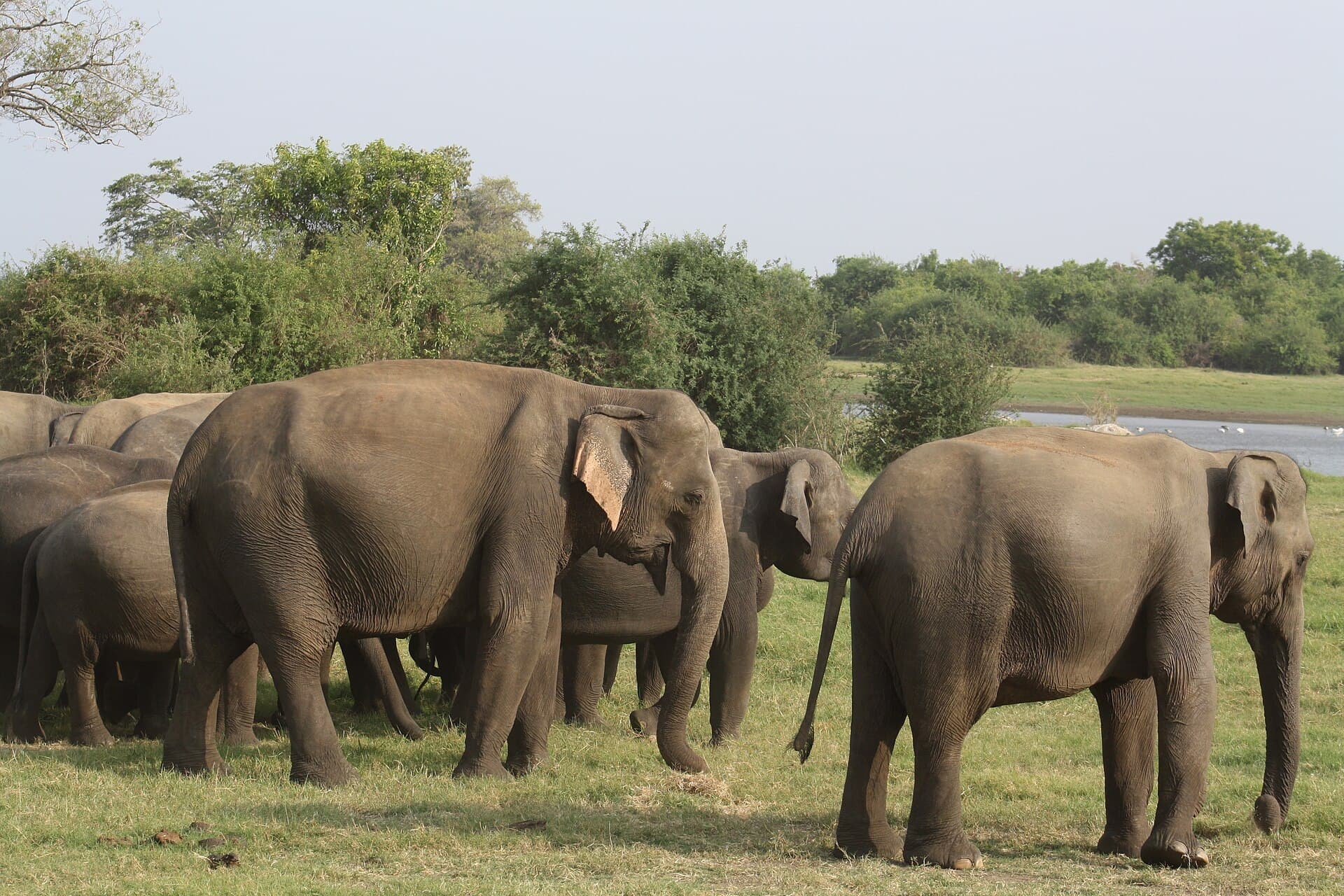
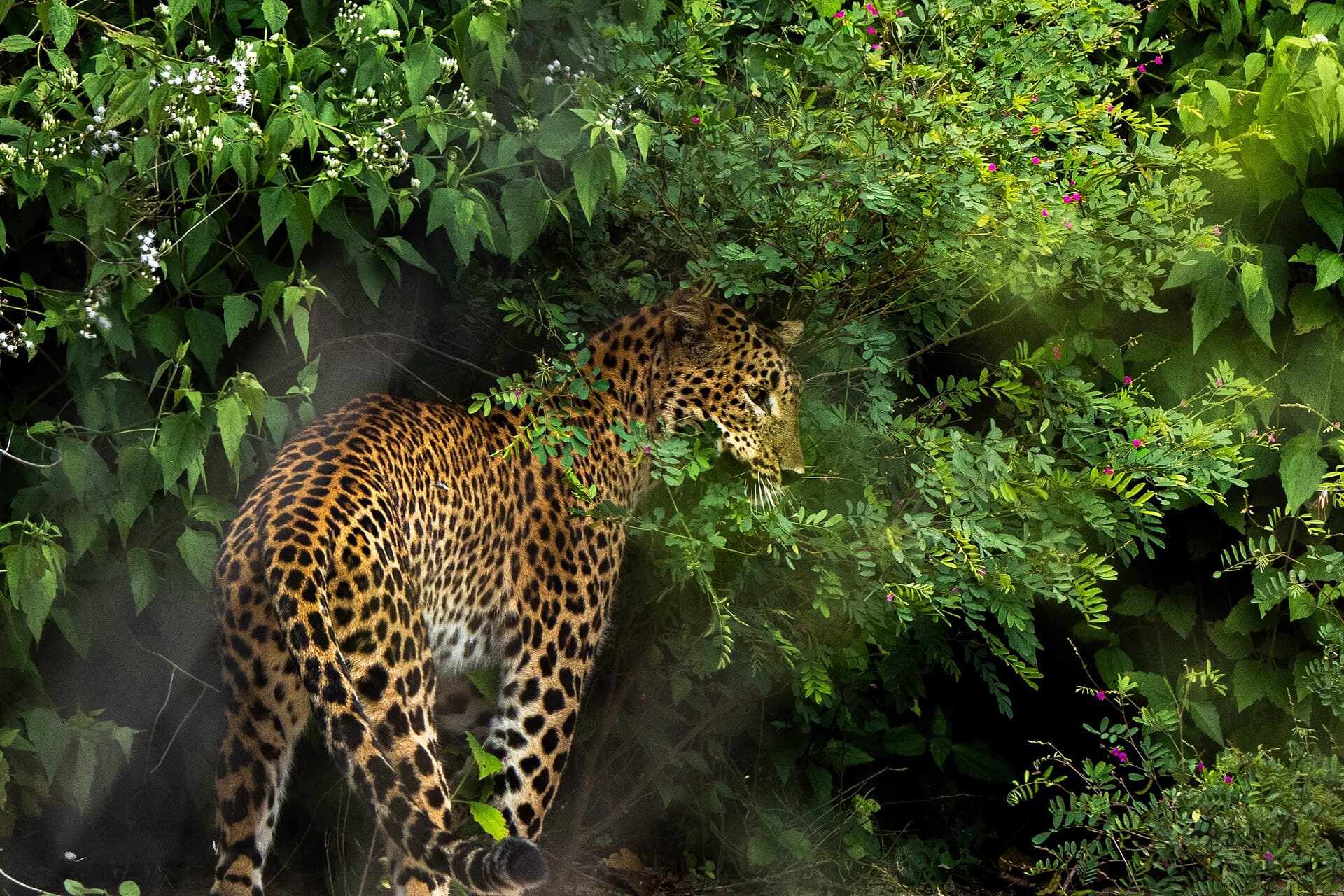
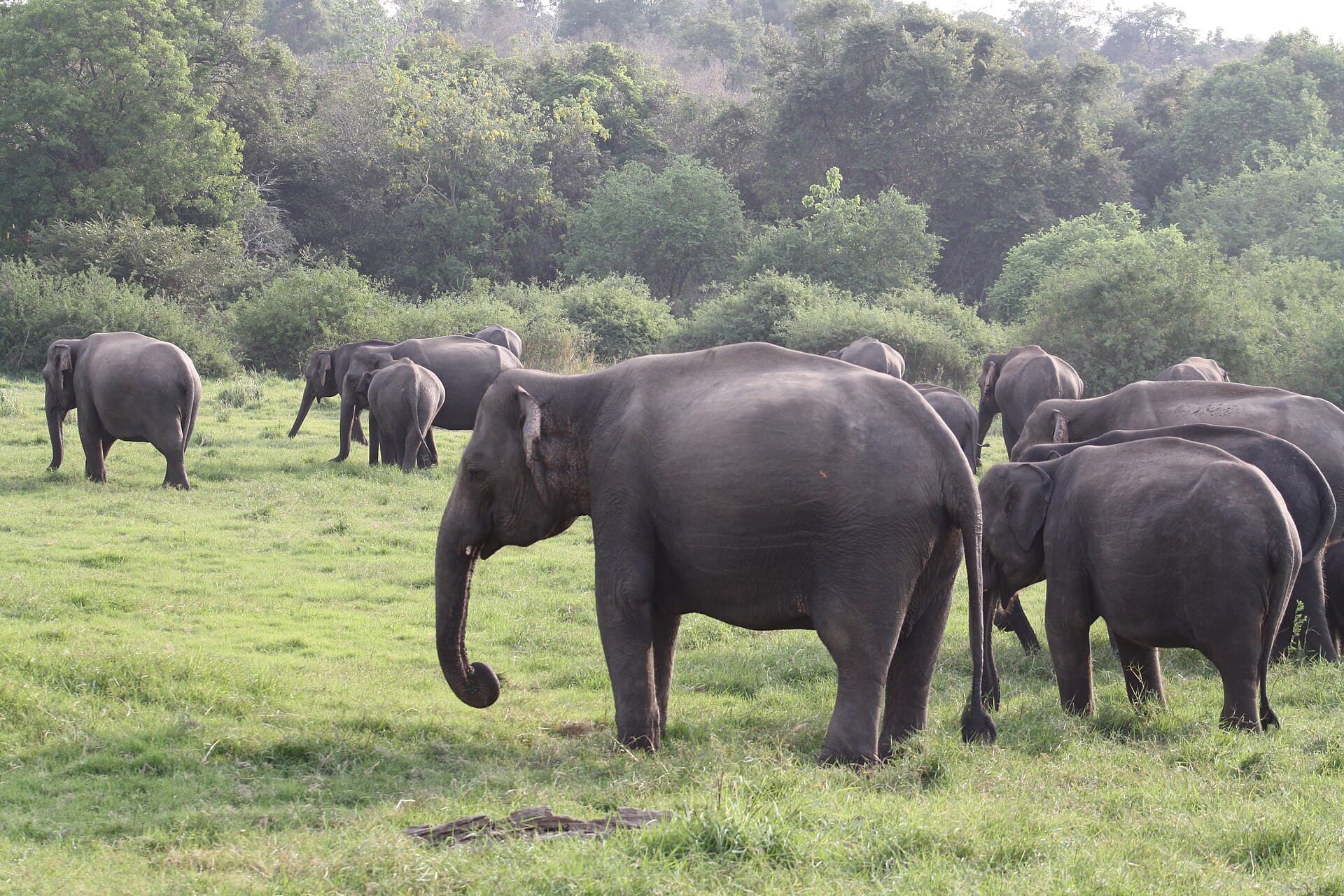
Udawalawe is an elephant park and it does not pretend otherwise. Several hundred elephants live here permanently rather than passing through on migration, which is why this is the one park in Sri Lanka where a sighting is close to certain on any session at any time of year. You will see family groups with calves, and often lone bulls out on the open grass. What makes Udawalawe easy is the terrain. The park is open grassland and scrub around a large reservoir rather than dense forest, so animals are visible at distance and you are not dependent on a lucky turn in thick cover. For anyone travelling with children, or anyone who found a Yala safari frustrating, this is a much gentler introduction. Beyond elephants there are water buffalo, spotted deer, sambar, wild boar, golden jackal and mugger crocodile along the reservoir edge. Leopards exist here but are rarely seen, and you should treat any sighting as a considerable stroke of luck rather than something to plan around. Birds are a real strength. Raptors do well in the open country, with crested serpent eagles, changeable hawk eagles and grey headed fish eagles regularly seen. The reservoir draws pelicans, painted storks, cormorants and herons, and the grassland holds bee eaters, rollers and peafowl. Between November and March migrants swell the numbers considerably.
If this is your first jeep safari in Sri Lanka, or you are travelling with children or older parents, Udawalawe is usually the better opening move than Yala. The reason is simple. Elephants here are resident rather than seasonal, they are visible across open grassland rather than hidden in thick scrub, and the park carries far fewer jeeps. You are not competing with thirty vehicles at a sighting, and you are not gambling four hours on whether a single elusive cat shows itself. Almost everyone who does a Udawalawe safari comes back having seen elephants at close range, which is not something you can say about leopards at Yala. That reliability changes how the safari feels. Your driver can take time at a sighting instead of hurrying to the next radio call, and you can watch a family group feed and interact for twenty minutes rather than getting a thirty second glimpse through a wall of other jeeps. The tradeoff is variety. Udawalawe is not going to hand you a leopard or a sloth bear, and the species list is shorter than Yala's. Many visitors do both parks for exactly this reason, taking Udawalawe for a guaranteed close encounter and Yala for the chance at something rarer. As everywhere, book the jeep rather than a seat. A private vehicle means the driver works to what you want to see.
Compare parks before you book. Each one suits a different trip.
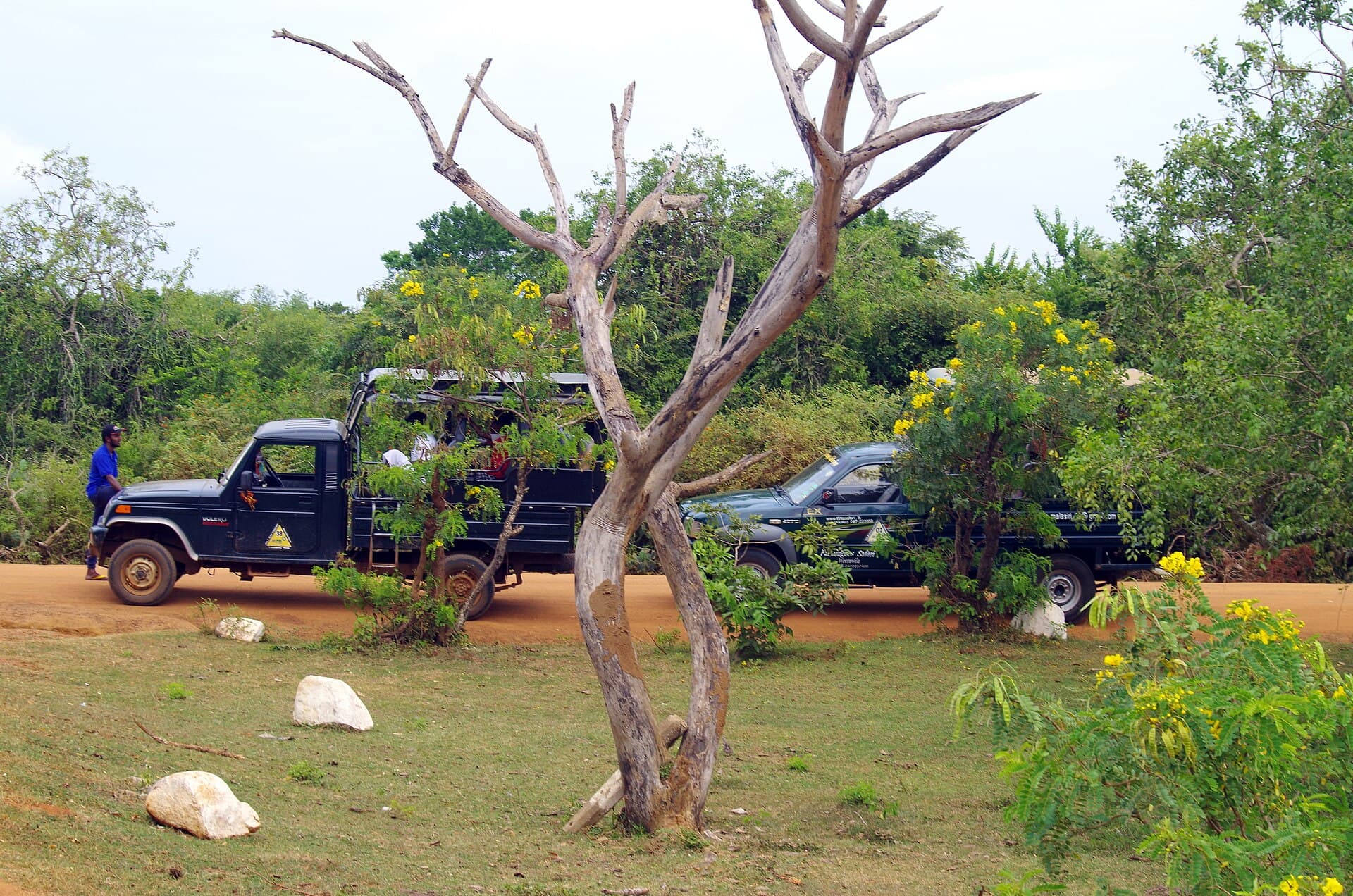
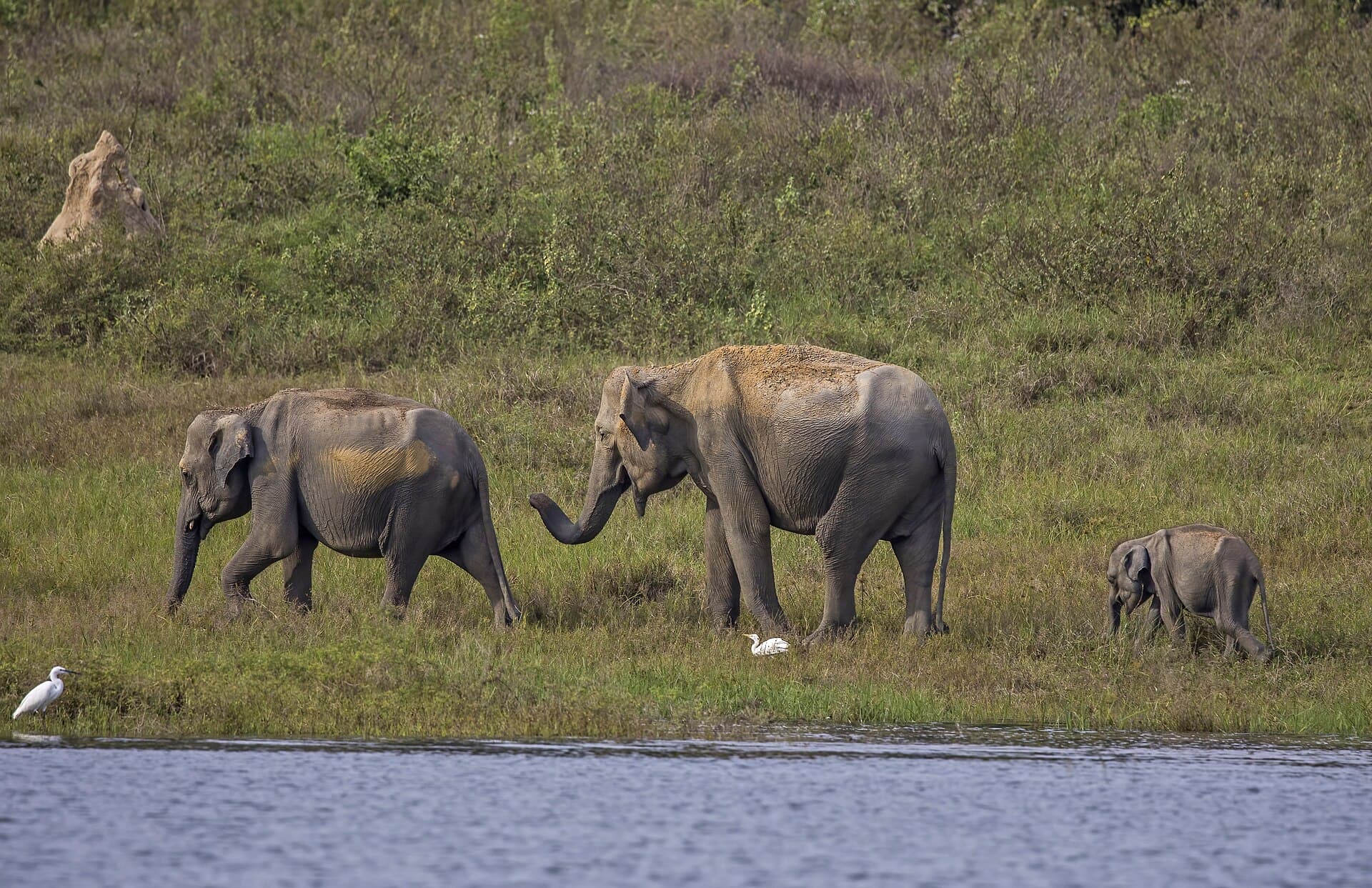
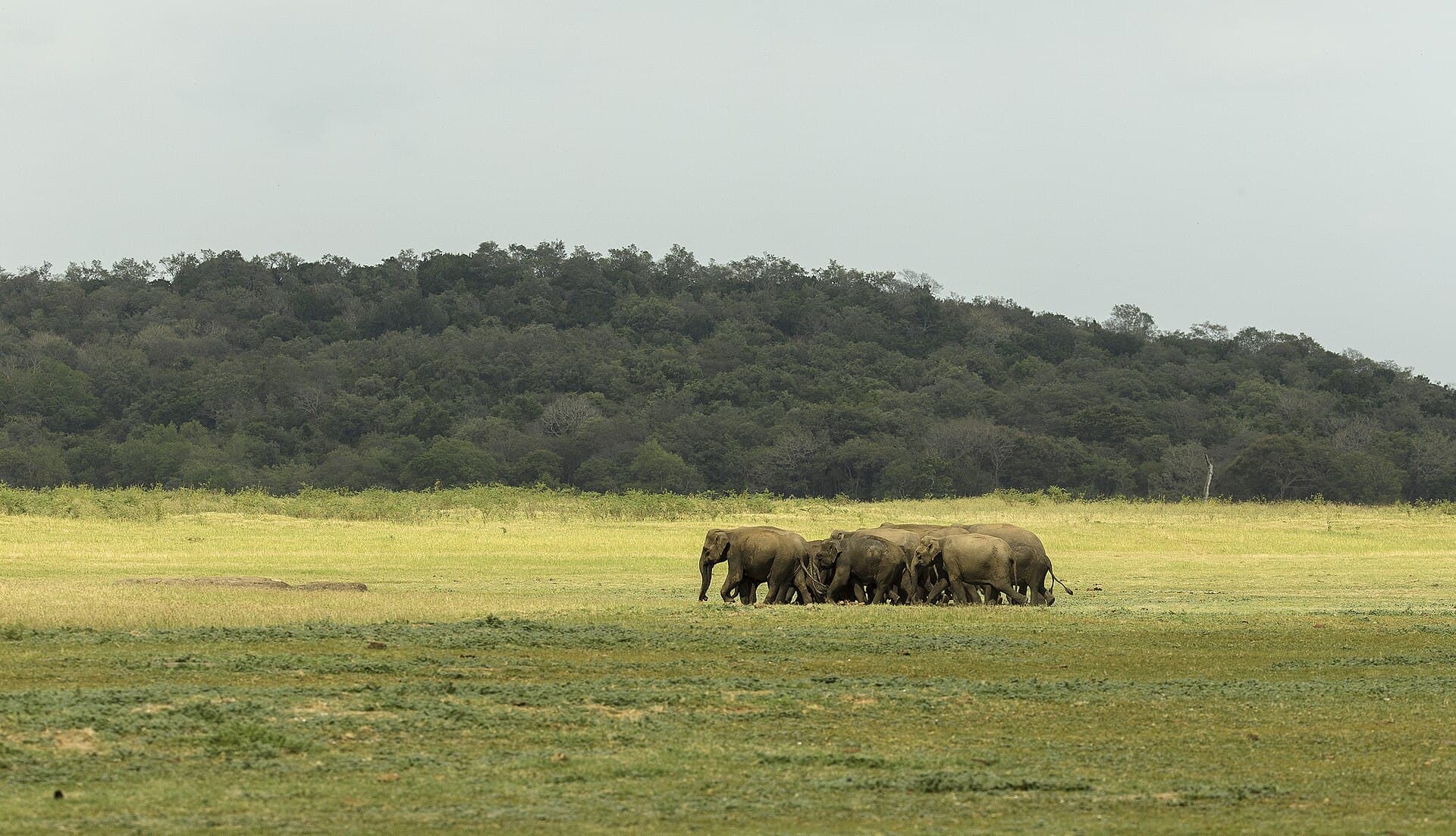
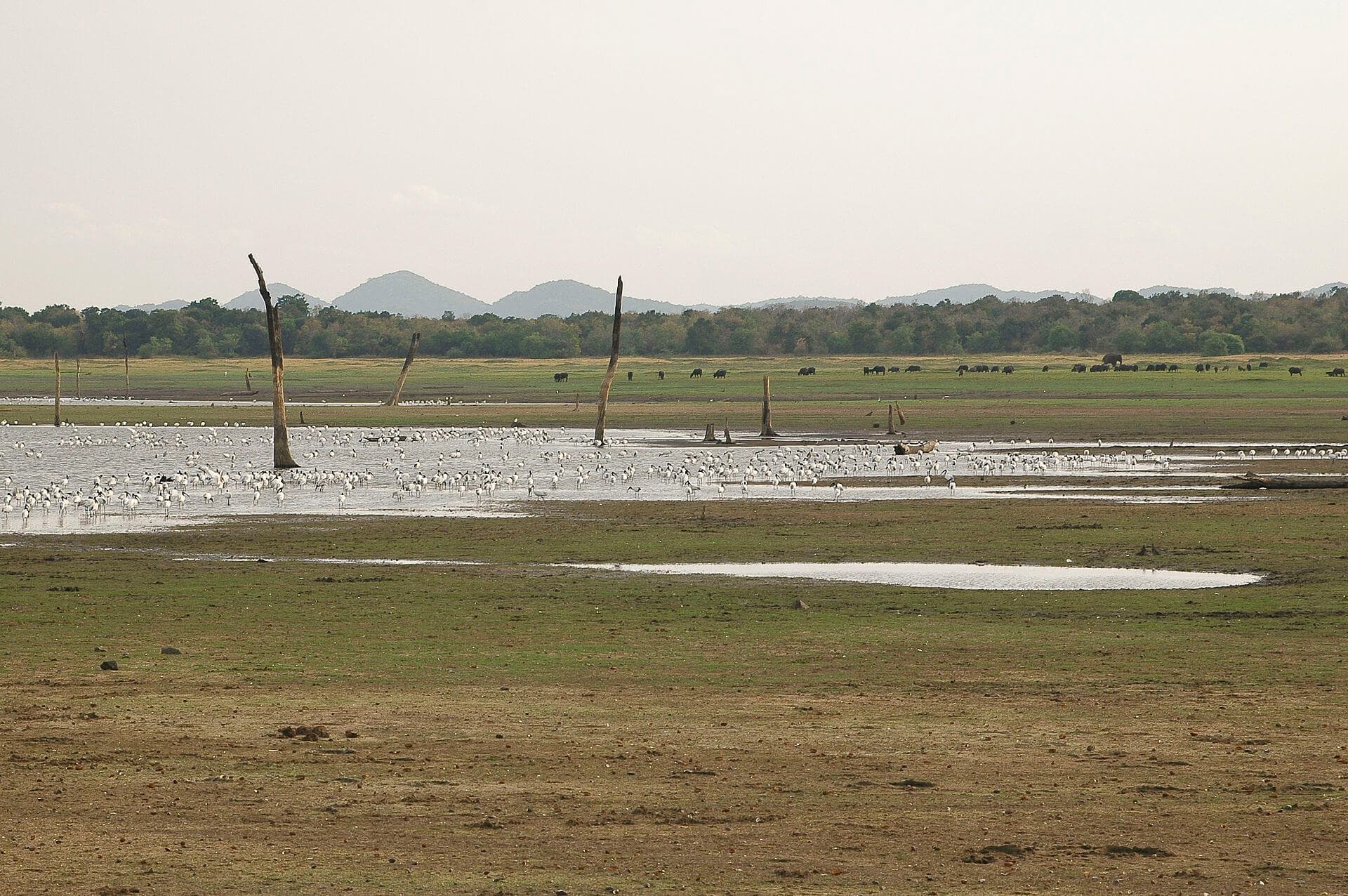
Udawalawe runs two sessions. Morning safaris typically start around 6am when the park opens and run to roughly 10am. Afternoon safaris usually leave around 2pm to 2:30pm and run until closing near 6pm. Most sessions are three to four hours. Morning gives you cooler air, the most active animals and the cleanest light for photography. It is the default recommendation for a first visit. Afternoon has a particular appeal at Udawalawe that it does not have everywhere. Elephants come down to the reservoir as the heat drops, and the last hour puts them in silhouette against the water with the hills behind. If you are photographing, the afternoon session here is arguably the better one. There are also fewer jeeps. The vehicles are open topped four wheel drives seating up to six passengers with a driver who doubles as your guide. The drive follows dirt tracks through grassland and scrub out toward the reservoir, and it is far smoother going than Yala. Expect dust rather than a rough ride. One thing worth knowing about the boundary fence. Elephants gather along the roadside fence near the park entrance and people feed them from cars. Do not take part. It is harmful to the animals, it is illegal, and it has no relationship to what you will see inside the park.
Udawalawe works year round, which is unusual among Sri Lankan parks and one of its real advantages. The resident elephant population does not leave, so there is no bad month for the animal most people come to see. The dry season from roughly May to September concentrates wildlife around the reservoir and gives the most consistent viewing. The wetter months turn the grassland green and lift the bird numbers with migrants arriving from November, and the park stays quiet. Rain rarely ruins a session outright, and tracks here handle water better than Yala's. Most visitors pair the safari with the Elephant Transit Home a short drive from the park entrance. This is a rehabilitation facility for orphaned calves that are eventually returned to the wild, and it is not a riding or bathing attraction. Visitors watch scheduled feedings from a viewing platform, which run roughly every three hours through the day. The timing works neatly around a safari. A morning session finishing near 10am leaves you comfortable for the late morning feeding, and the early afternoon feeding sits well before an afternoon safari. Tell your driver you want to include it when you book and they will plan the return around the feeding time. Combining the two makes a half day into a properly full one, and the contrast between wild herds and orphaned calves is the part most people remember.
Udawalawe sits inland in the south of the island and is one of the more convenient parks to reach. The town of Udawalawe at the park entrance has guesthouses and lodges, and many visitors stay there the night before a morning safari. From the south coast, Mirissa and Tangalle are around two to three hours away, which makes Udawalawe an easy day trip from a beach base. Ella and the hill country are roughly two hours, so it fits naturally into a route down from the highlands. Colombo is about four to five hours by expressway. Yala is close enough that visitors commonly do both parks on the same leg of a trip. Because the drive in is short compared with Yala, morning pickups are more civilised, usually around 5:30am to 6am rather than well before dawn. Bring sunscreen, a hat, sunglasses and water. The park is open country with little shade and the sun is strong by mid morning. A light layer helps early. Binoculars are worth carrying even though elephants need no magnification, because the raptors and waterbirds here reward them. A zoom lens is useful but far less essential than at Yala given how close the elephants come. Book ahead in peak season. Udawalawe is quieter than Yala but the better drivers still fill up.
*Note: Prices include service charges and VAT. Rates are subject to change.