National Park
Bundala National Park
Bundala is a coastal wetland of lagoons, dunes and mud flats near Hambantota, and the best birdwatching park in the south of Sri Lanka. It is a Ramsar site and the island's most reliable place to see ...
Bundala is a coastal wetland of lagoons, dunes and mud flats near Hambantota, and the best birdwatching park in the south of Sri Lanka. It is a Ramsar site and the island's most reliable place to see ...
Bundala is a labyrinth of scrub jungle and colorful lagoons, located on the southern tip of Sri Lanka. It is a premier destination for bird enthusiasts and nature lovers.Wildlife Safari ExperienceA jeep safari tour in Bundala offers a mix of coastal and wetland scenery. Unlike the dense forests of Yala, the open lagoons make it easy to see large groups of Greater Flamingos and other migratory species from the comfort of your safari jeep.Wildlife HighlightsWhile famous for its 197 bird species, including the Greater Flamingo, Bundala also hosts Asian Elephants, Golden Jackals, and many species of sea turtles that visit the beach to nest.Landscape & EcosystemThe ecosystem comprises five shallow, brackish lagoons surrounded by salt pans, marshes, and scrub jungle. This unique combination makes it a critical habitat for aquatic wildlife.Best Time to VisitThe best time to visit is from October to March when thousands of migratory birds arrive from the Northern Hemisphere.
Total Area
62 sq km
Established
1993
City
Hambantota
Coordinates
6.1833000, 81.2167000
No jeeps available yet
Check back soon for safari jeeps at this destination.
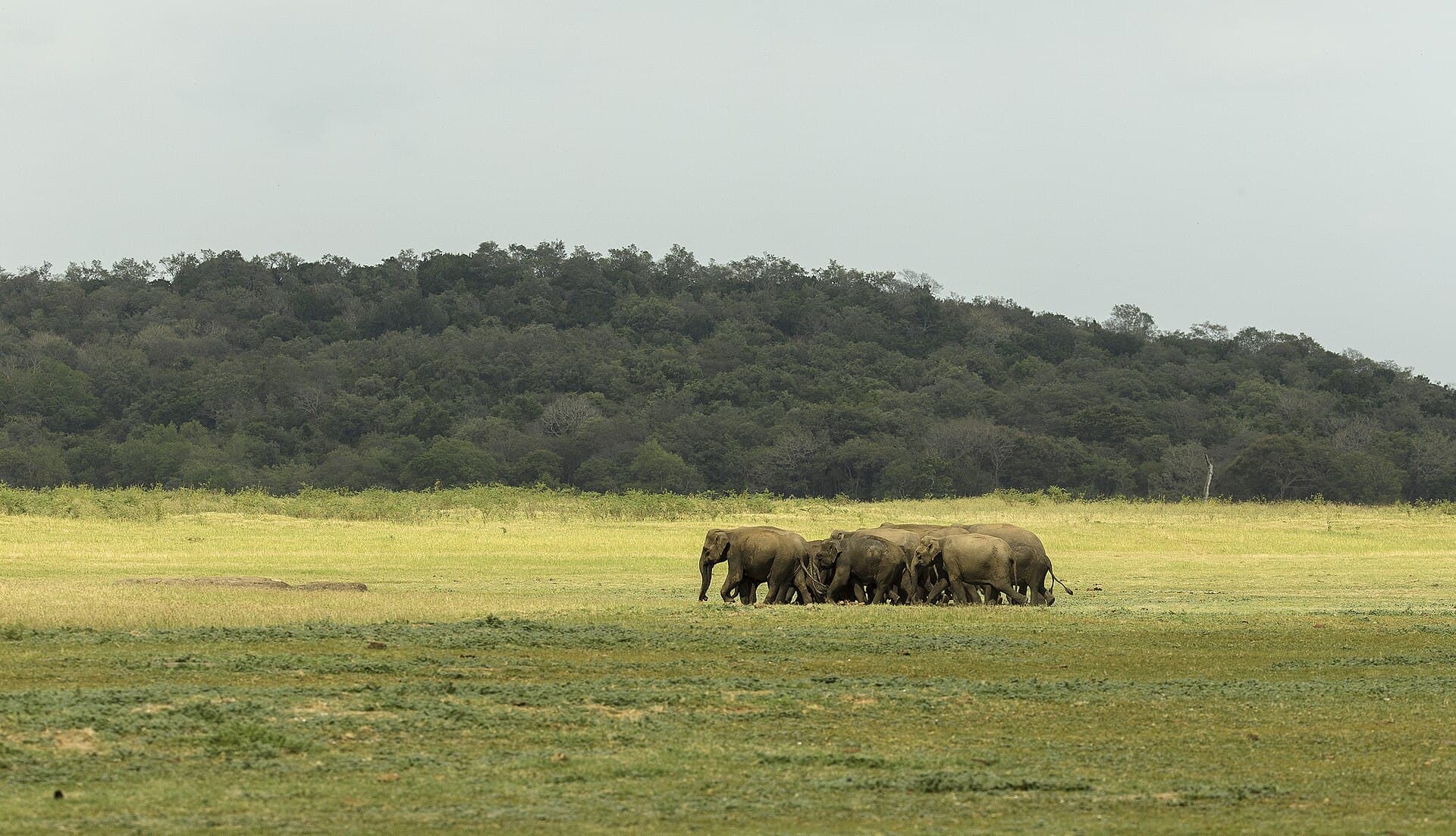
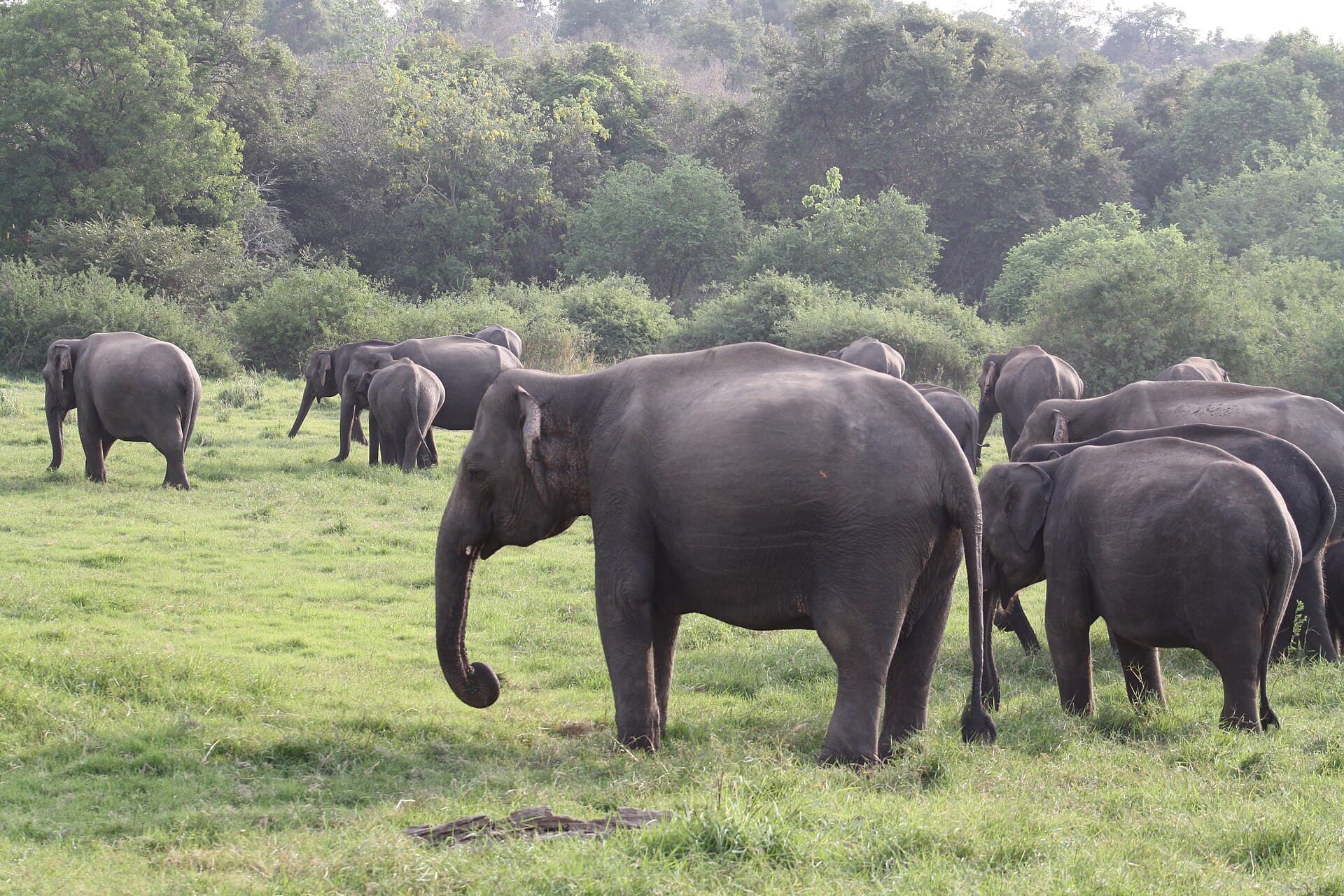
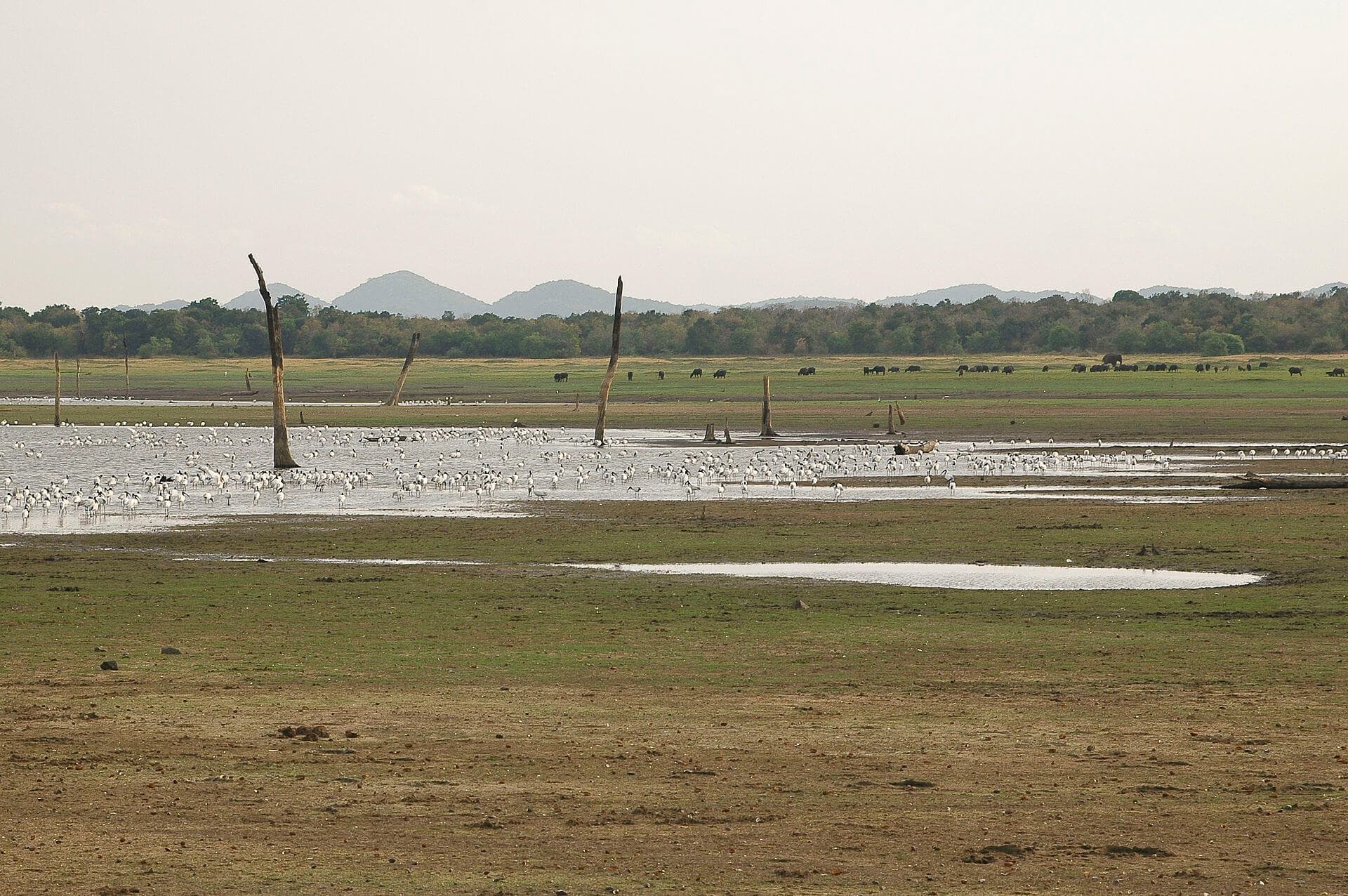
Bundala is a birding park, and it holds around two hundred species. The signature bird is the greater flamingo, which arrives in flocks from as far as India and beyond and gives the park its reputation. Seeing a few hundred flamingos on a lagoon at first light is the image most people come away with. Beyond flamingos, the lagoons and mud flats hold pelicans, painted storks, spoonbills, open bills, herons, egrets and cormorants year round. The migratory season brings in waders in serious numbers, and shorebird counts across the park can run into the tens of thousands at the peak. For anyone who keeps a list, a morning here is the most productive few hours available in the south. Mammals are the supporting act rather than the draw. Elephants pass through in small numbers, and you may see spotted deer, wild boar, grey langur, toque macaque and golden jackal. Mugger crocodiles are common in the lagoons and easy to see. Both marine turtle nesting and estuarine crocodiles are associated with the coastal strip. The habitat is what makes it work. Lagoons, inter tidal mud flats, beaches, sand dunes, scrub and grassland sit alongside each other, so a single session moves through several distinct environments and the species change with them. If you have any interest in birds at all, Bundala is worth a session even if the rest of your trip is about leopards.
The migratory season is what you are timing around. Birds arrive from roughly September and stay through to around March or April, and that is when Bundala is at its best. Flamingo flocks are a feature of this window, and shorebird numbers across the park climb dramatically. The broader recommendation you will hear is August through April, which covers the arrival and the long stay. Outside that, the resident species are still there and the lagoons still hold storks, pelicans and crocodiles, but the park is a quieter proposition and the flamingos will not be waiting for you. Morning is the session to book. Wetland birds are most active in the first hours, the light on the lagoons is soft and low which matters enormously for photography, and the heat on this exposed coast becomes serious by mid morning. Afternoon sessions are quieter and the golden hour over the water is genuinely lovely, but for sheer numbers of active birds the morning wins. Flamingos move. They are not guaranteed on any given day and they shift between lagoons and sometimes leave the park entirely depending on water and salinity. A driver who works Bundala regularly will know which lagoon has held them this week, which is a good reason to book someone local rather than a general operator passing through. Sessions typically run three to four hours.
Compare parks before you book. Each one suits a different trip.
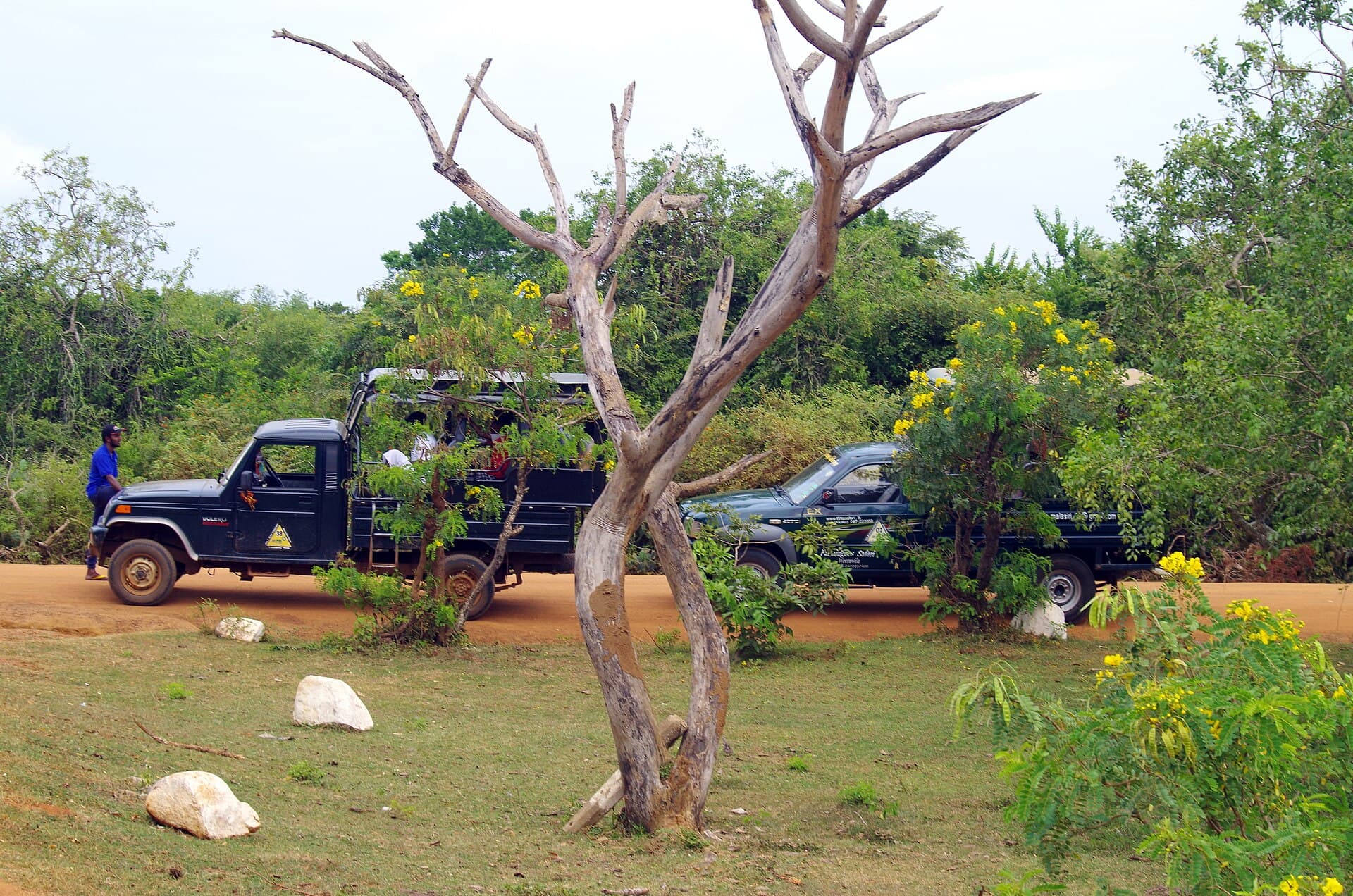
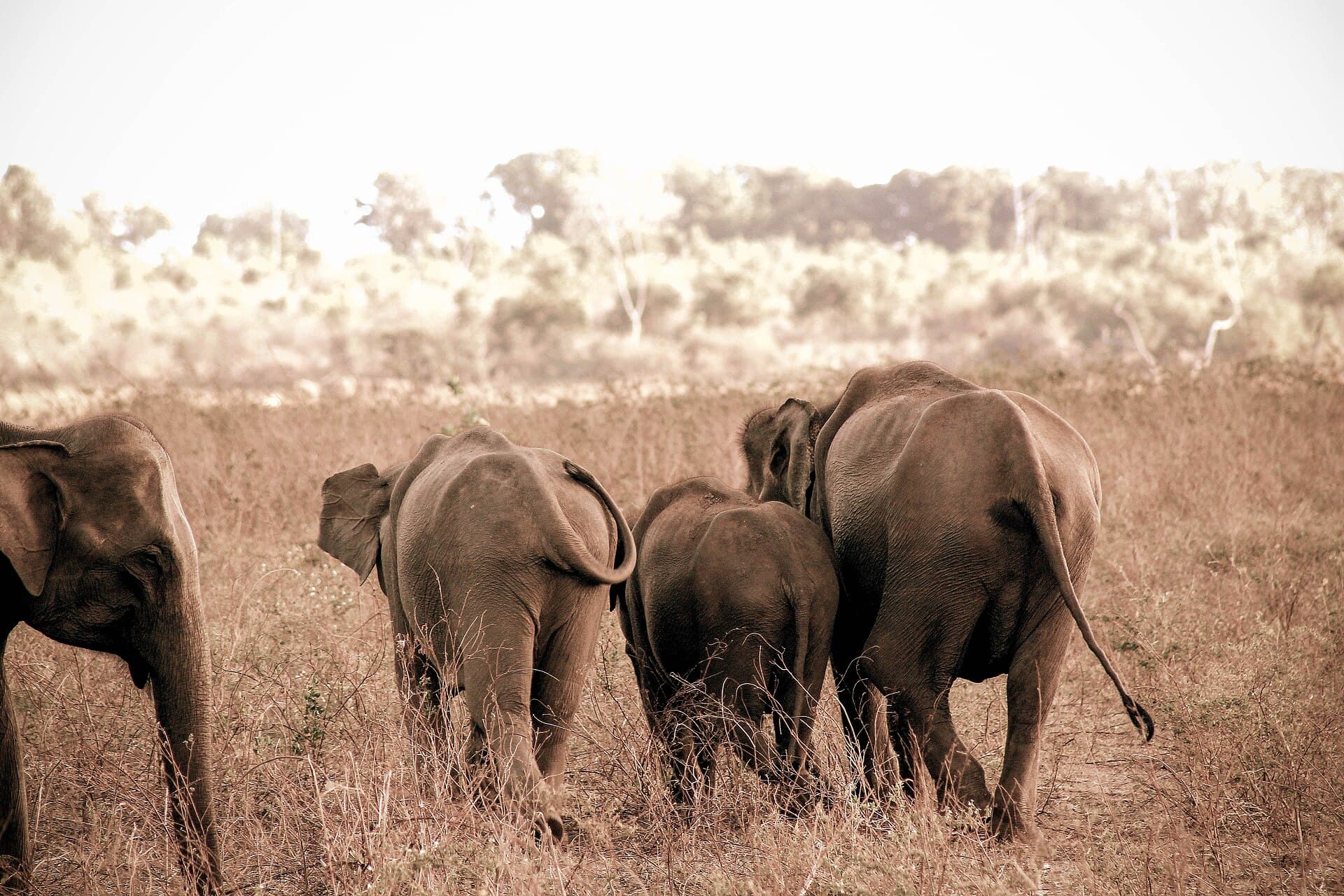
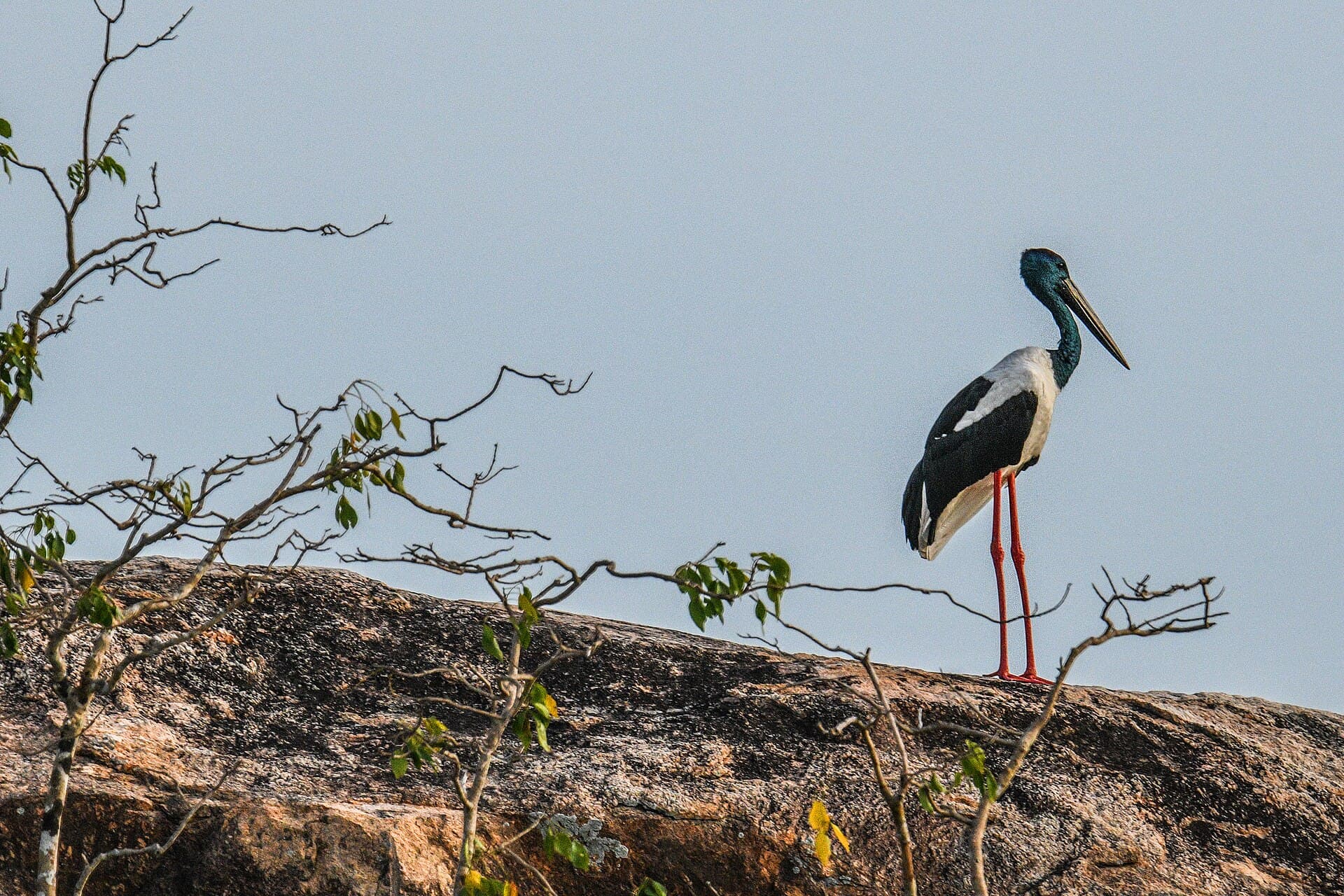
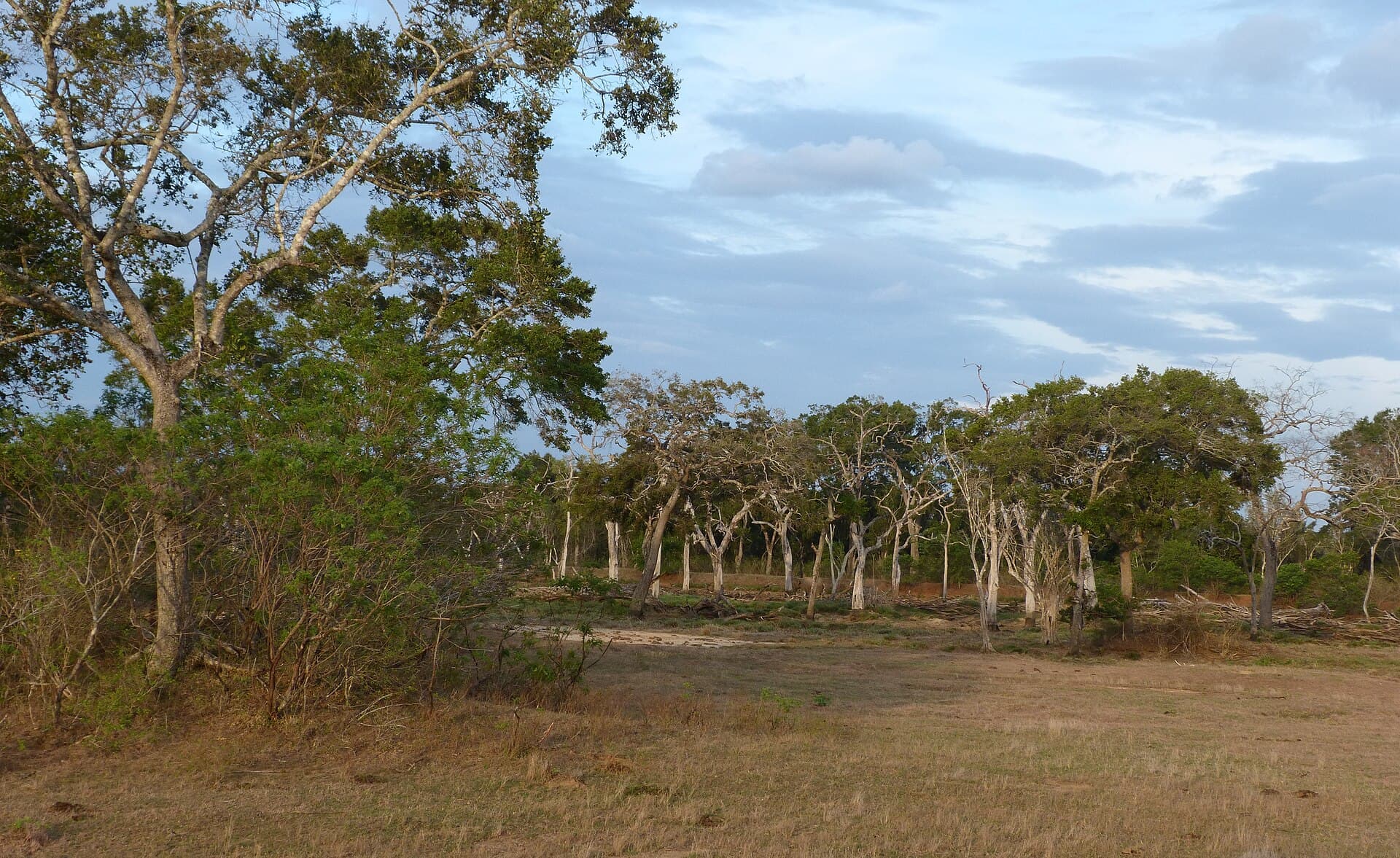
Bundala sits close enough to Tissamaharama that most visitors do it as a second session alongside Yala rather than as a trip in its own right, and that is a sensible way to use it. The two parks complement each other almost perfectly. Yala is a mammal park where you spend the session hoping for a leopard and dealing with a lot of other jeeps. Bundala is a bird park where the wildlife is visible and abundant from the moment you arrive and where you will see very few other vehicles. Doing a Yala morning and a Bundala morning on consecutive days gives you two genuinely different experiences from the same base. Bundala is also the better option on a day when you want something gentler. The tracks are easier than Yala's, the sessions are less frantic, there is no dawn queue at a gate with a vehicle quota, and nobody is racing radio calls. For families with younger children who found Yala long and frustrating, this is a much easier few hours with far more to look at. If you are choosing only one and you have no particular interest in birds, take Yala. If you have any interest in birds, or you have already done Yala and want a contrast, Bundala is the more rewarding second booking in this part of the island. Tell your driver your priority when you book. A birding session waits at lagoons; a general wildlife session covers more ground.
Bundala is a small park by Sri Lankan standards and the driving reflects that. Tracks run between and around the lagoons, across scrub and grassland, over dune country and along the coastal strip. It is far less punishing than Yala or Wilpattu, and much of the session is spent stopped rather than moving. That stopping is the point. Wetland birding is done by parking at the edge of a lagoon and scanning, not by covering distance. A good driver positions the jeep so the light is behind you and the birds are not spooked, then waits. If your driver is constantly moving on after two minutes, ask them to stay put. The open topped jeep works well here because you are often looking out and up rather than into thick cover, and standing gives you a much better angle across water. The coastal sections are exposed and the sun is fierce with no shade at all once you are away from the scrub. You will typically see a great deal in a short time, which is the opposite of the Wilpattu rhythm. Even a mediocre session at Bundala produces a long list, because the lagoons concentrate birds in the open where they cannot hide. Sessions run morning or afternoon, generally three to four hours including the drive from Tissamaharama or Hambantota. Half day is the standard booking and there is little reason to take a full day here given the size of the park.
Bundala lies on the south coast near Hambantota, roughly 15km east of the town, and it is an easy drive from Tissamaharama which is where most safari visitors to this region stay. If you are already booked for Yala, you are already in the right place. From the southern beaches at Tangalle or Mirissa it is a straightforward drive along the coast. Colombo is around four to five hours by expressway. The park fits naturally into any southern itinerary that already includes Yala, and it is close enough to the coast road that it does not require a detour of any consequence. Because the pickup does not involve a pre dawn dash to beat a vehicle quota, morning starts here are more relaxed than Yala. You still want to be in the park early for the birds, but the timing is less brutal. Binoculars are essential. This is a birding park and going without them wastes the trip. A spotting scope is a luxury but if you own one this is the place for it. For photography, a long lens is the right tool. Something in the 400mm range handles waders and flamingos at lagoon distances, and a shorter zoom is useful for flocks in flight and for the dune and lagoon landscapes. Sun protection matters more than you expect. The lagoon and coastal sections have no shade whatsoever and the glare off the water is strong. Hat, sunglasses, sunscreen and plenty of water.
*Note: Prices include service charges and VAT. Rates are subject to change.