National Park
Wilpattu National Park
Wilpattu is the largest national park in Sri Lanka and the quiet alternative to Yala for leopards. Its character comes from the villus, dozens of natural rain fed lakes that draw wildlife out of the s...
Wilpattu is the largest national park in Sri Lanka and the quiet alternative to Yala for leopards. Its character comes from the villus, dozens of natural rain fed lakes that draw wildlife out of the s...
Wilpattu is a land of mystery and natural wonder. Known for its "Willus"—natural sand-rimmed water basins—it offers a raw and rugged wildlife safari experience that feels worlds away from the more commercial parks.Wildlife Safari ExperienceA jeep safari tour here involves driving through dense forest canopies and emerging into open clearings by the water. Because of its vast size, a safari jeep experience in Wilpattu is often secluded, allowing for intimate encounters with wildlife without the crowds found elsewhere.Wildlife HighlightsWilpattu is a premier spot for Leopards and Sloth Bears. The lakes attract a variety of waterbirds, including Garganey and Pintail ducks. You will also encounter large herds of Spotted Deer and majestic Sambar.Landscape & EcosystemThe park is dominated by dry evergreen forests and the unique Willu ecosystems. These lakes are rainwater-fed and provide a vital resource for animals during the dry months.Best Time to VisitThe best time to visit Wilpattu is from February to October, as the wildlife becomes more active and visible around the lakes during the dry season.
Total Area
1317 sq km
Established
1938
City
Anuradhapura
Coordinates
8.4116000, 80.0088000
No jeeps available yet
Check back soon for safari jeeps at this destination.
Wilpattu is leopard country, and the way you see them here is different from Yala. The park holds a healthy population, but the animals are far less used to vehicles because far fewer vehicles come through. A Wilpattu leopard sighting is usually a quiet one, often just your jeep, and often an animal that behaves naturally rather than ignoring you. It is also less frequent. You are trading odds for quality of encounter. Sloth bears are a genuine draw here and Wilpattu has a reputation for them, particularly when fruit is on the trees. Elephants are present but in smaller numbers than the dry zone parks further east, and they are properly wild rather than habituated. The villus are the key to everything. Spotted deer, sambar, wild buffalo and wild boar come out of the scrub onto the open grass fringes, and mugger crocodiles hold the water. Because the animals are concentrated at these basins rather than spread through thick jungle, the villus are where your driver will spend the time. Birdlife is strong, with painted storks, open bills, herons and egrets working the shallows, and raptors including crested serpent eagles overhead. Peafowl are everywhere. Between November and March migrants lift the numbers considerably. The single best tactic here is patience. Park at a villu, cut the engine and wait. Wilpattu rewards sitting still more than any other park on the island.
These are the two leopard parks in Sri Lanka and they offer genuinely different days out. Yala gives you the best statistical chance of seeing a leopard anywhere in the world, and it gives you that alongside a queue at the gate and potentially thirty jeeps at the sighting. Wilpattu gives you a lower chance on any given drive, and if you do find one, there is a good chance it is just you and the animal. Wilpattu is also much bigger. It is the largest national park in the country, and the tracks run for hours through dense scrub jungle between the open villus, so the sense of being somewhere genuinely wild is much stronger. You will go long stretches seeing nothing but forest, which some visitors love and others find slow. The practical answer for most people is that if you only have one safari and a leopard is the point, take Yala. If you have already done Yala, or the crowding is what puts you off, or you are travelling in the north and west of the island anyway, Wilpattu is the better experience and most people who do both prefer it. A full day is worth more here than at Yala. The park is large, the driving distances between productive villus are long, and a half day session tends to cover only the nearest few. If you are making the trip, book the full day. As everywhere, book the jeep rather than a seat so your driver works to what you want.
Compare parks before you book. Each one suits a different trip.
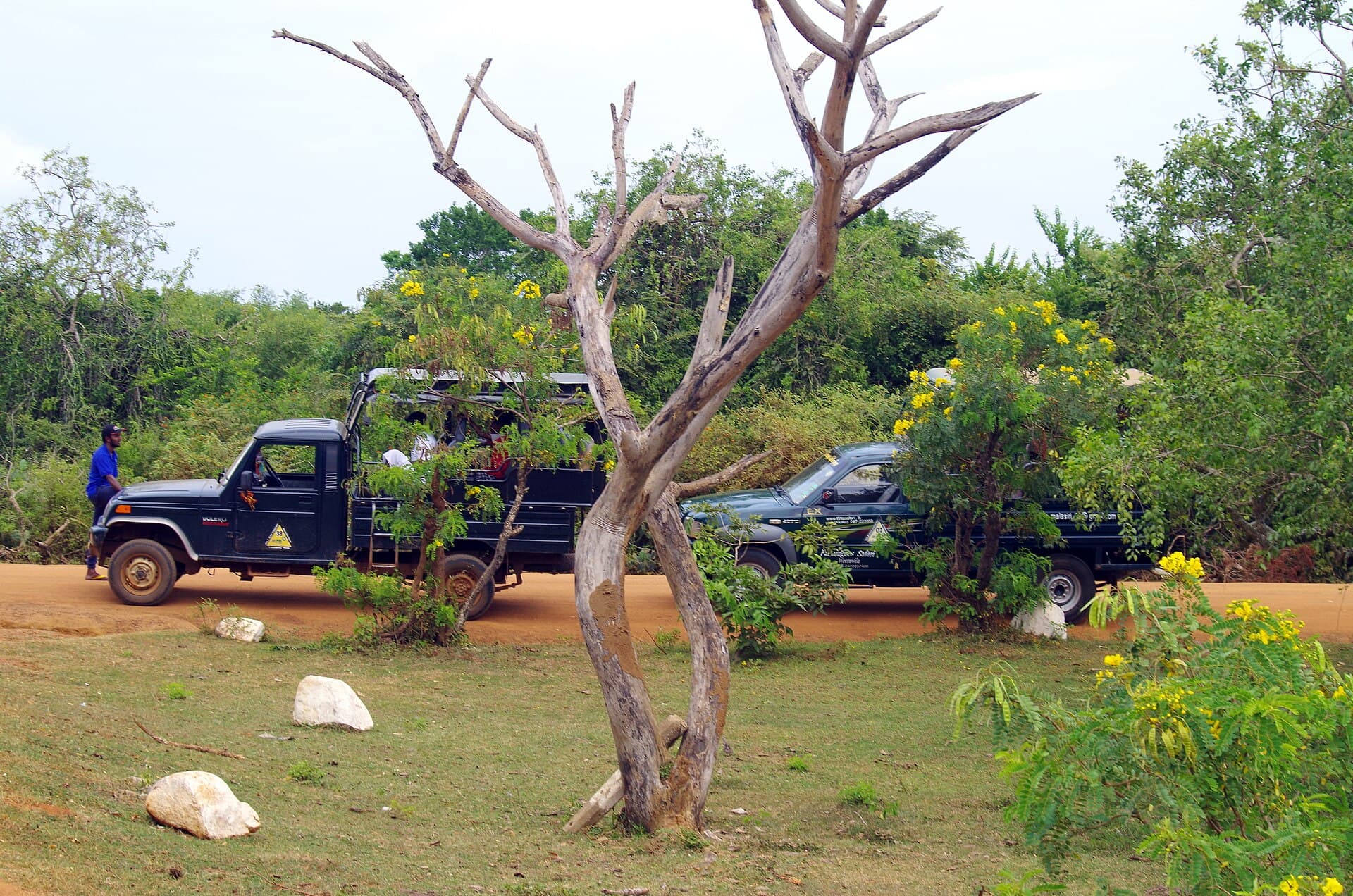
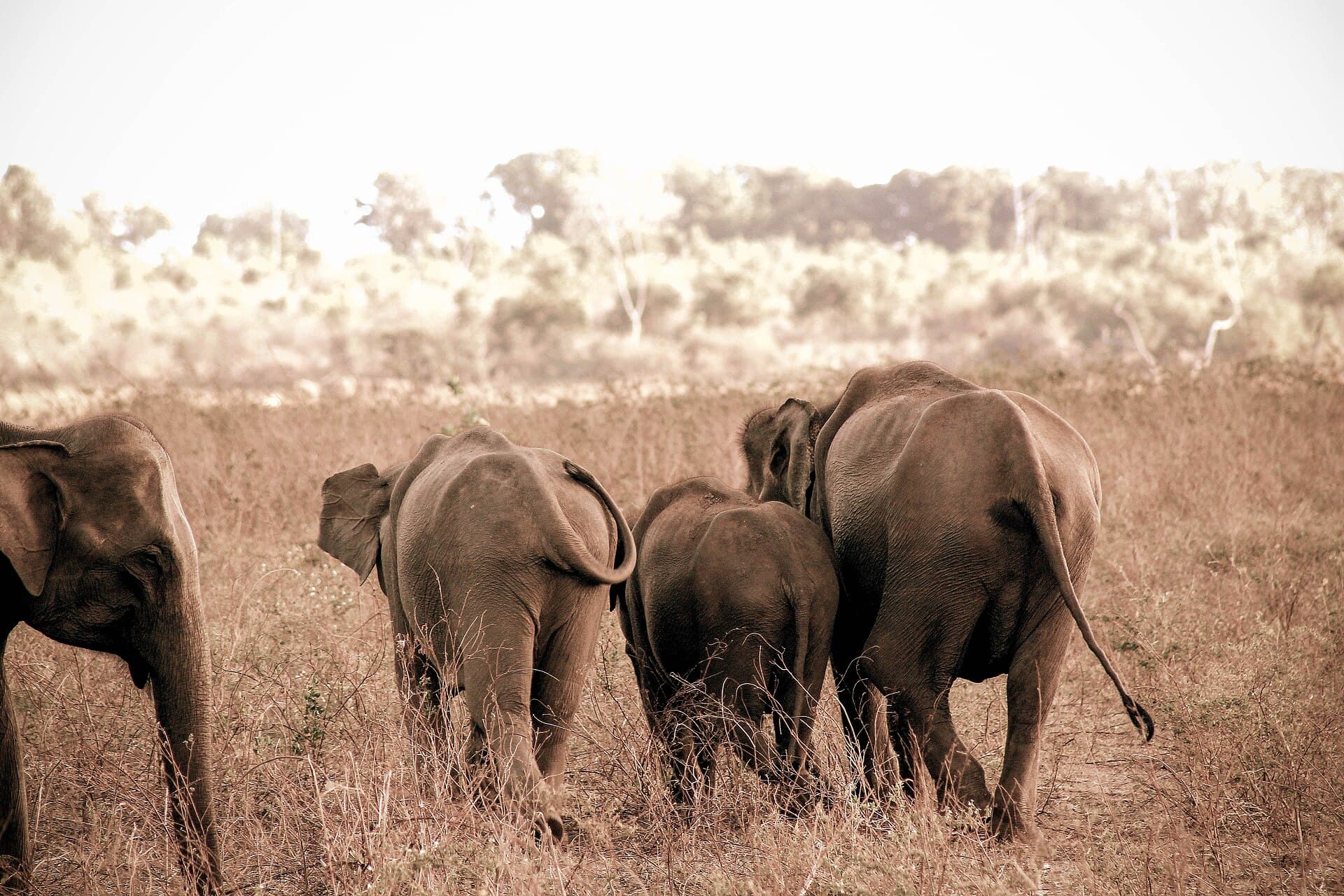
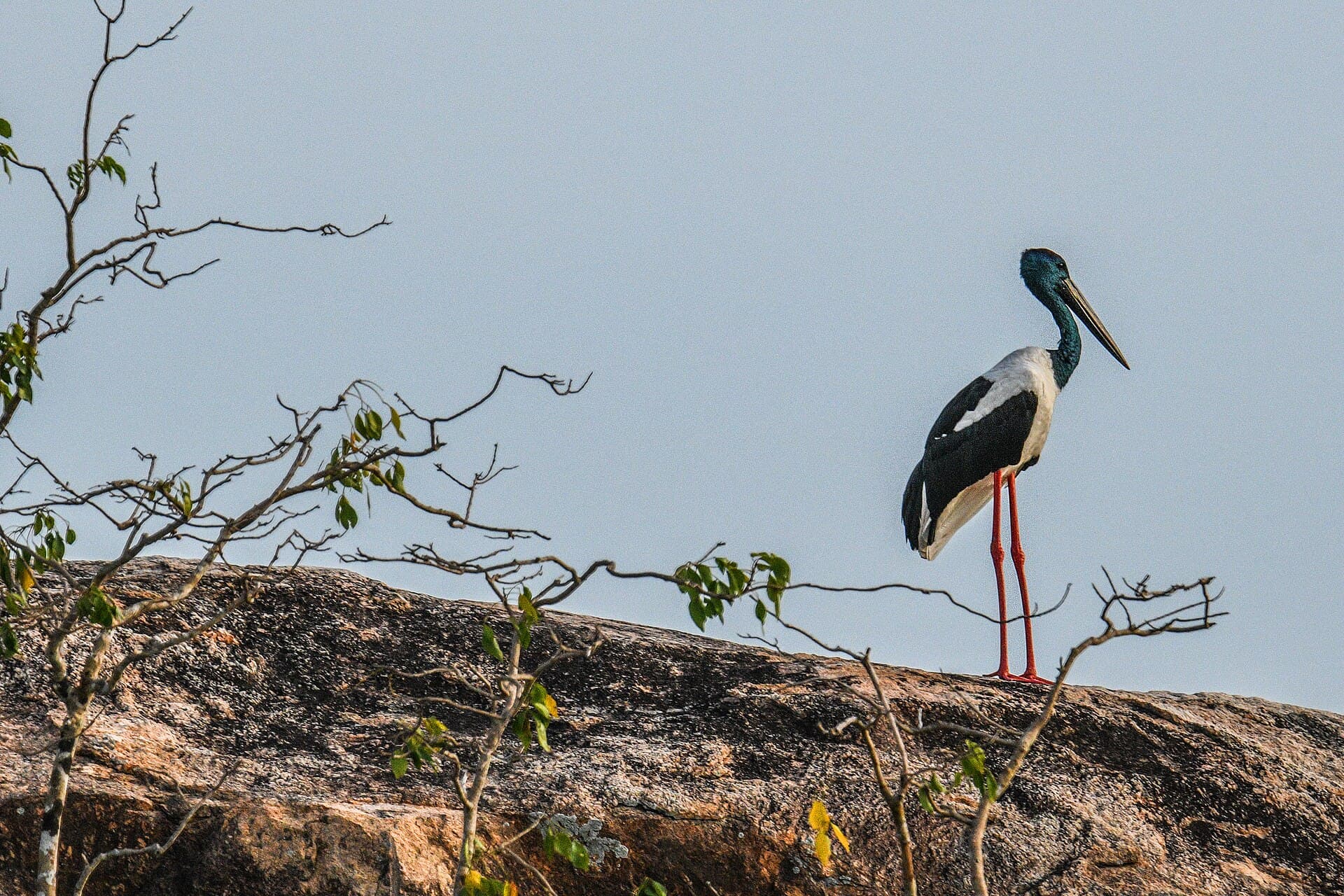
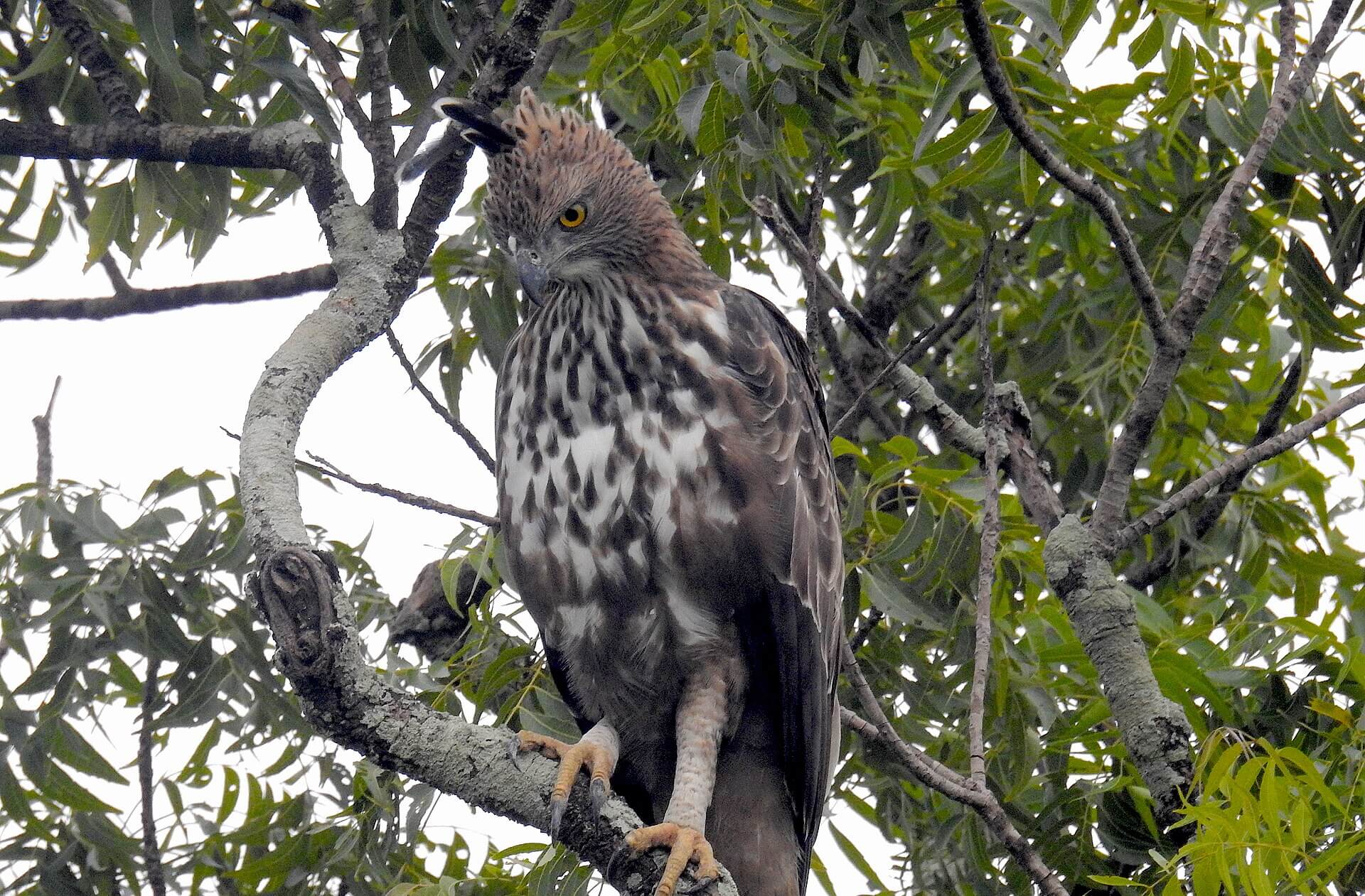
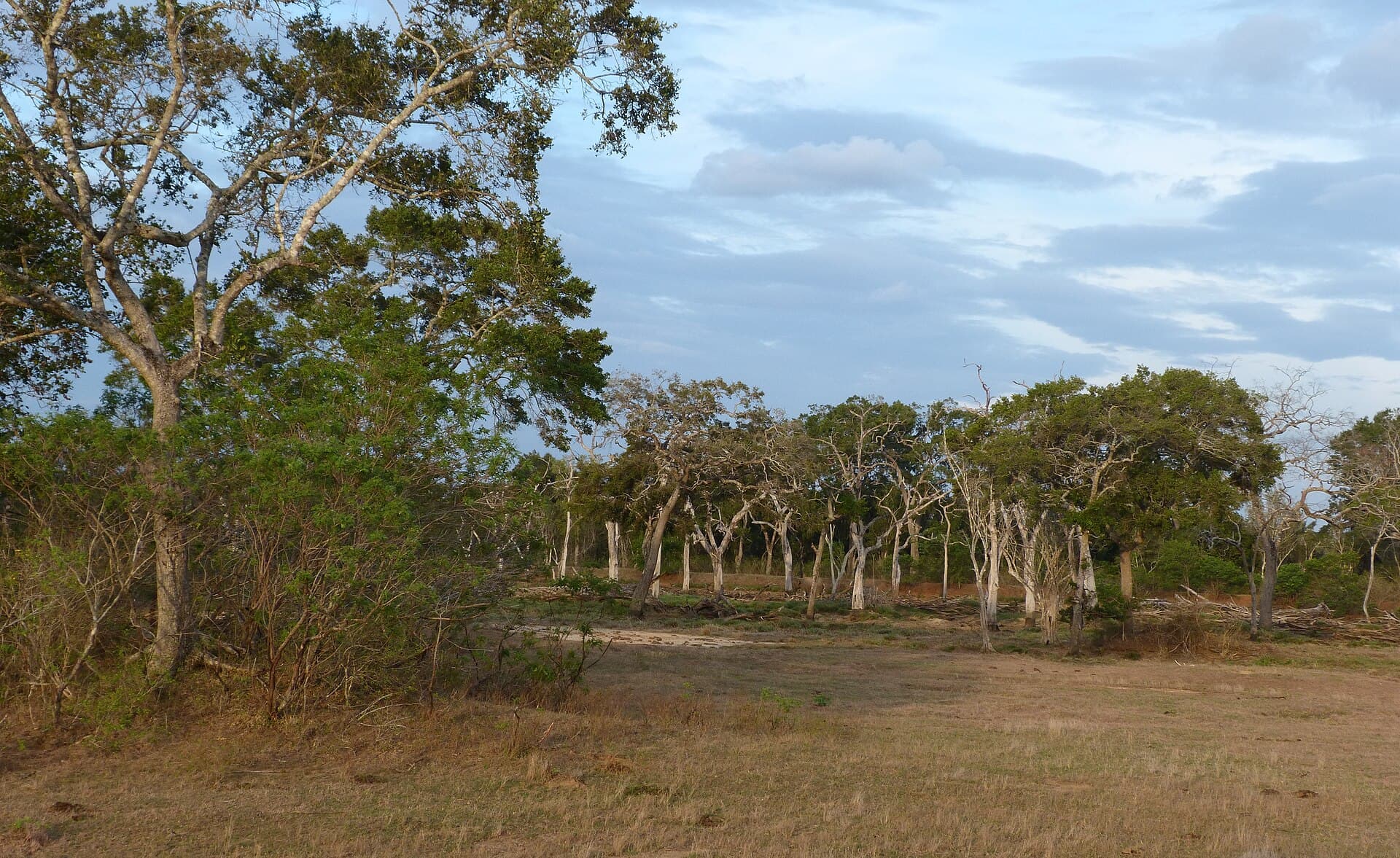
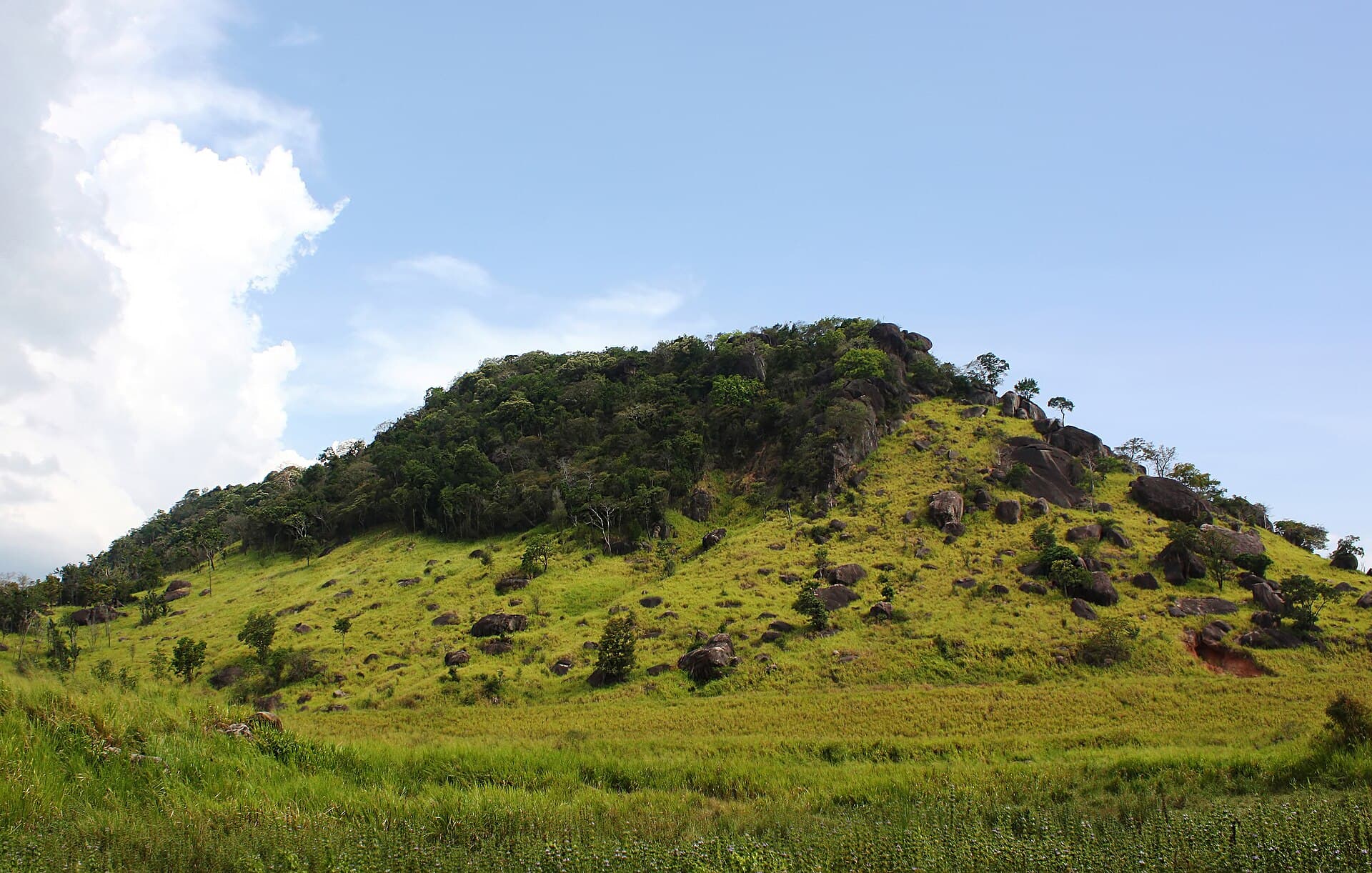
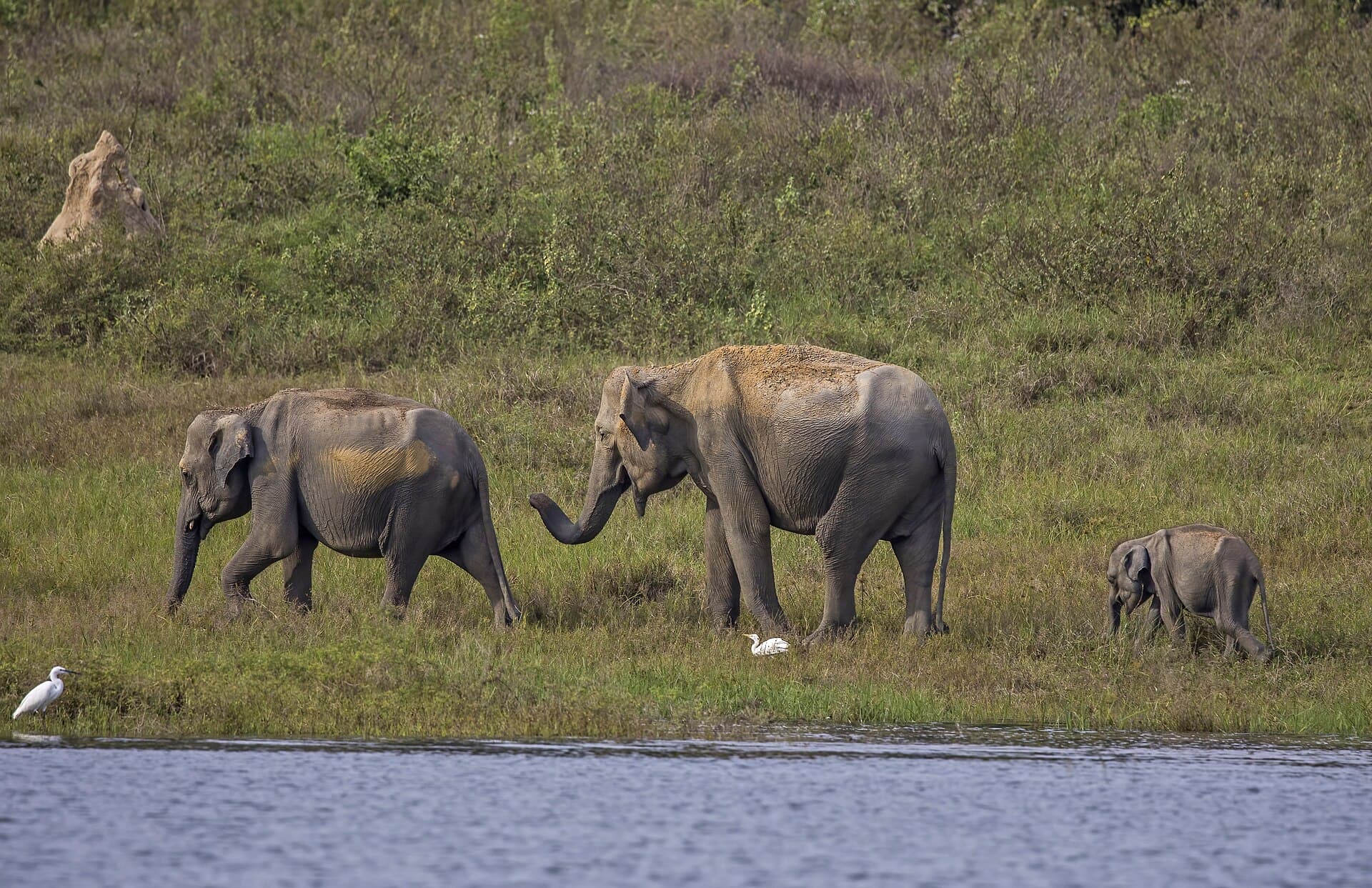
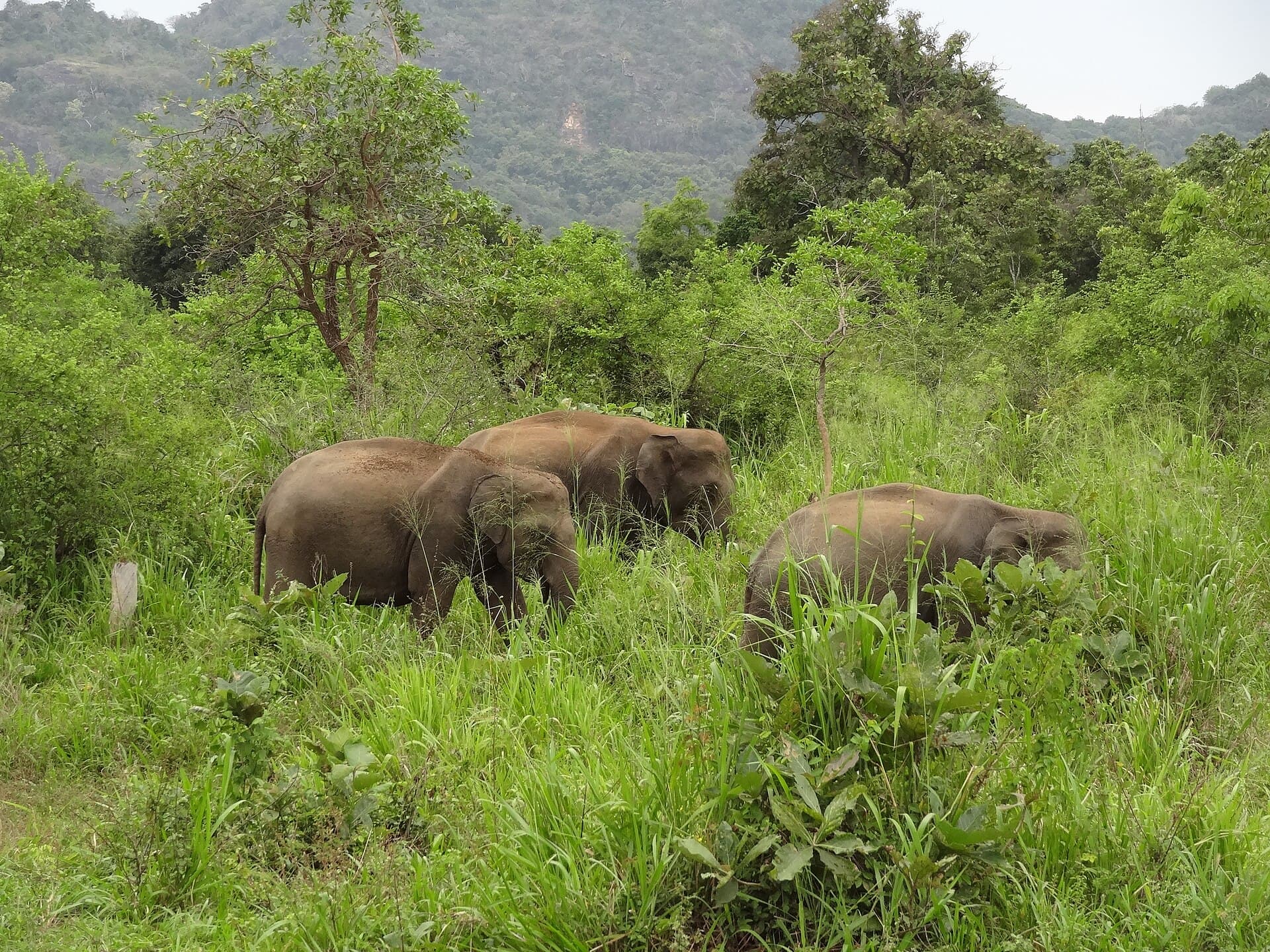
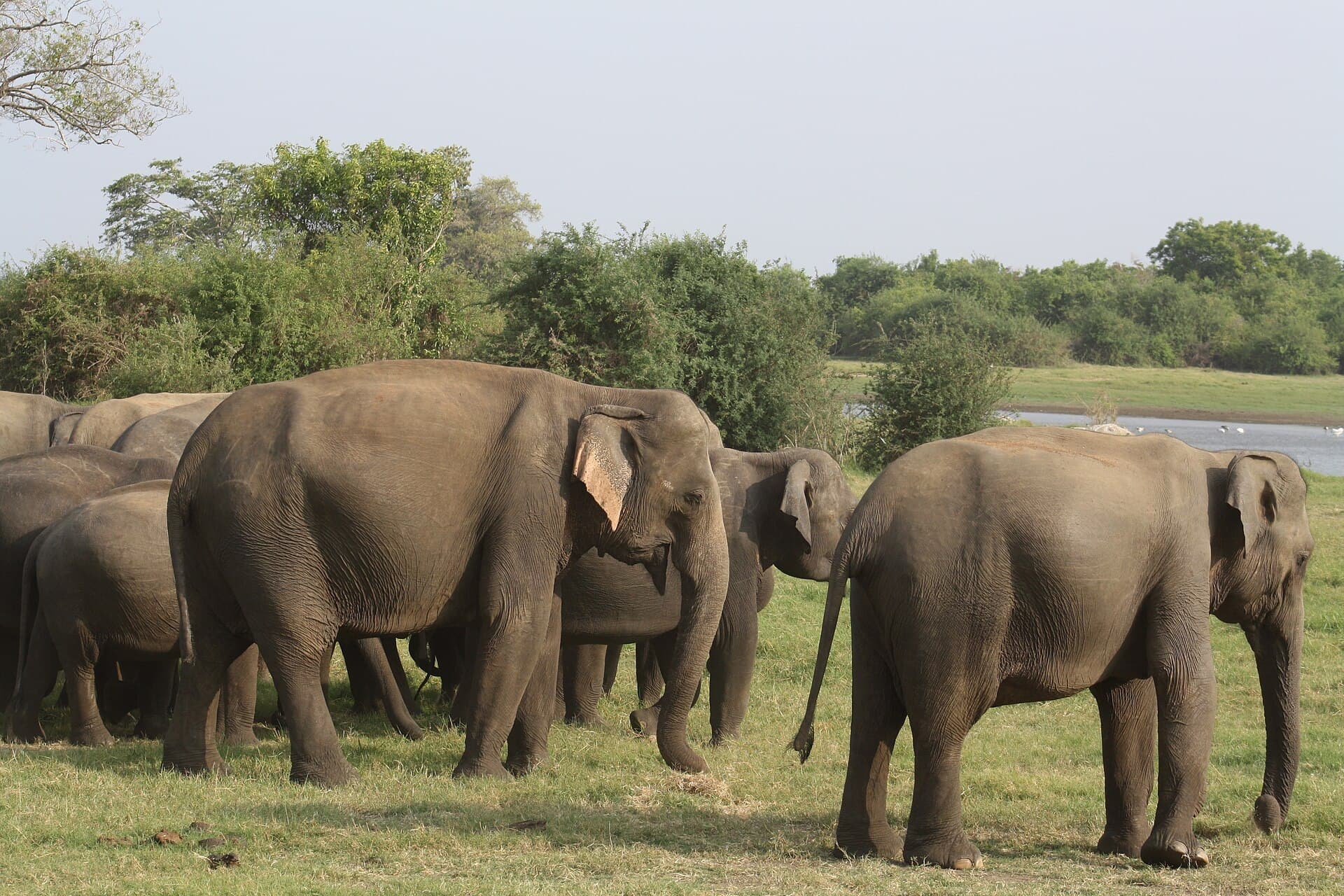
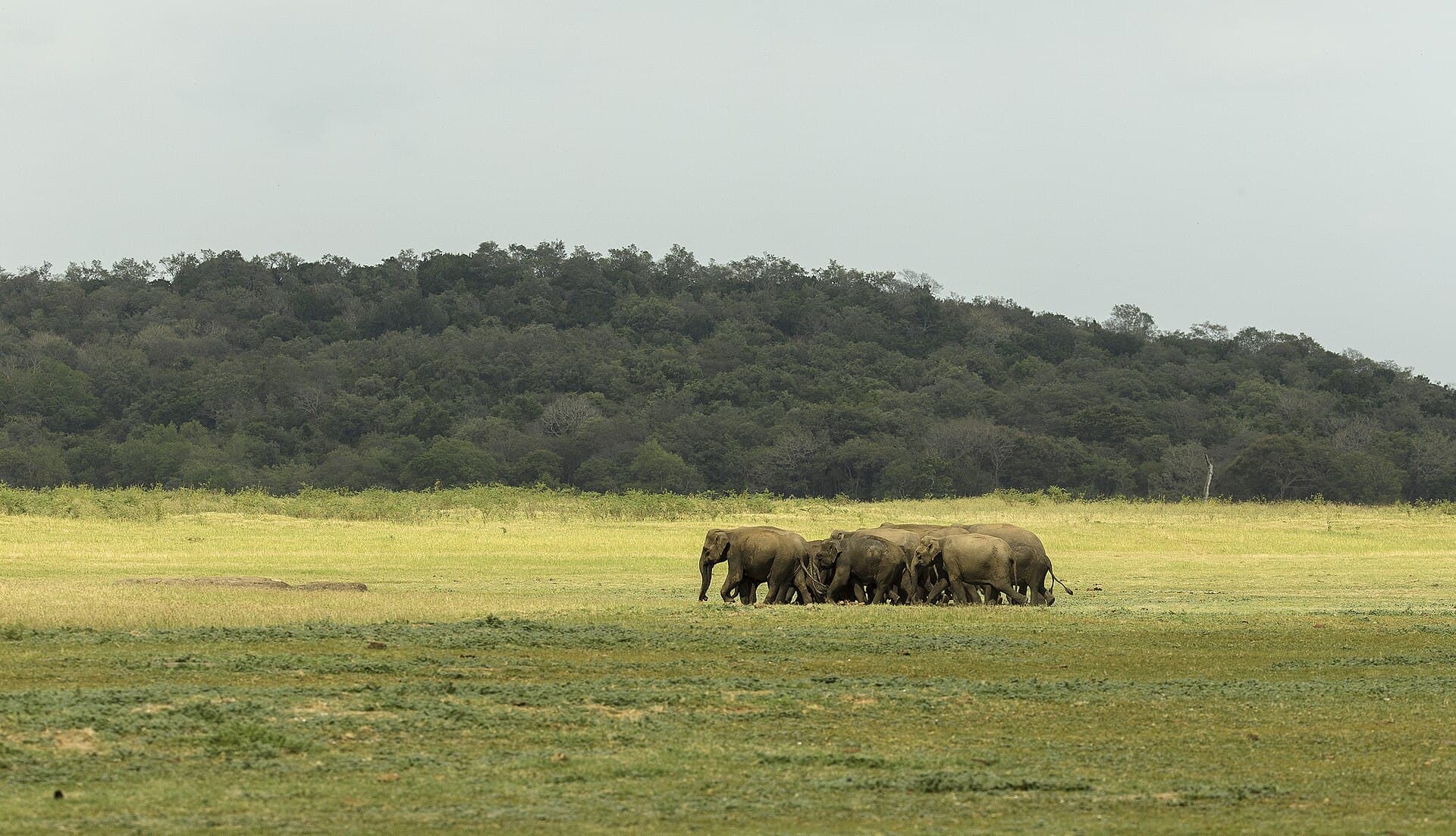
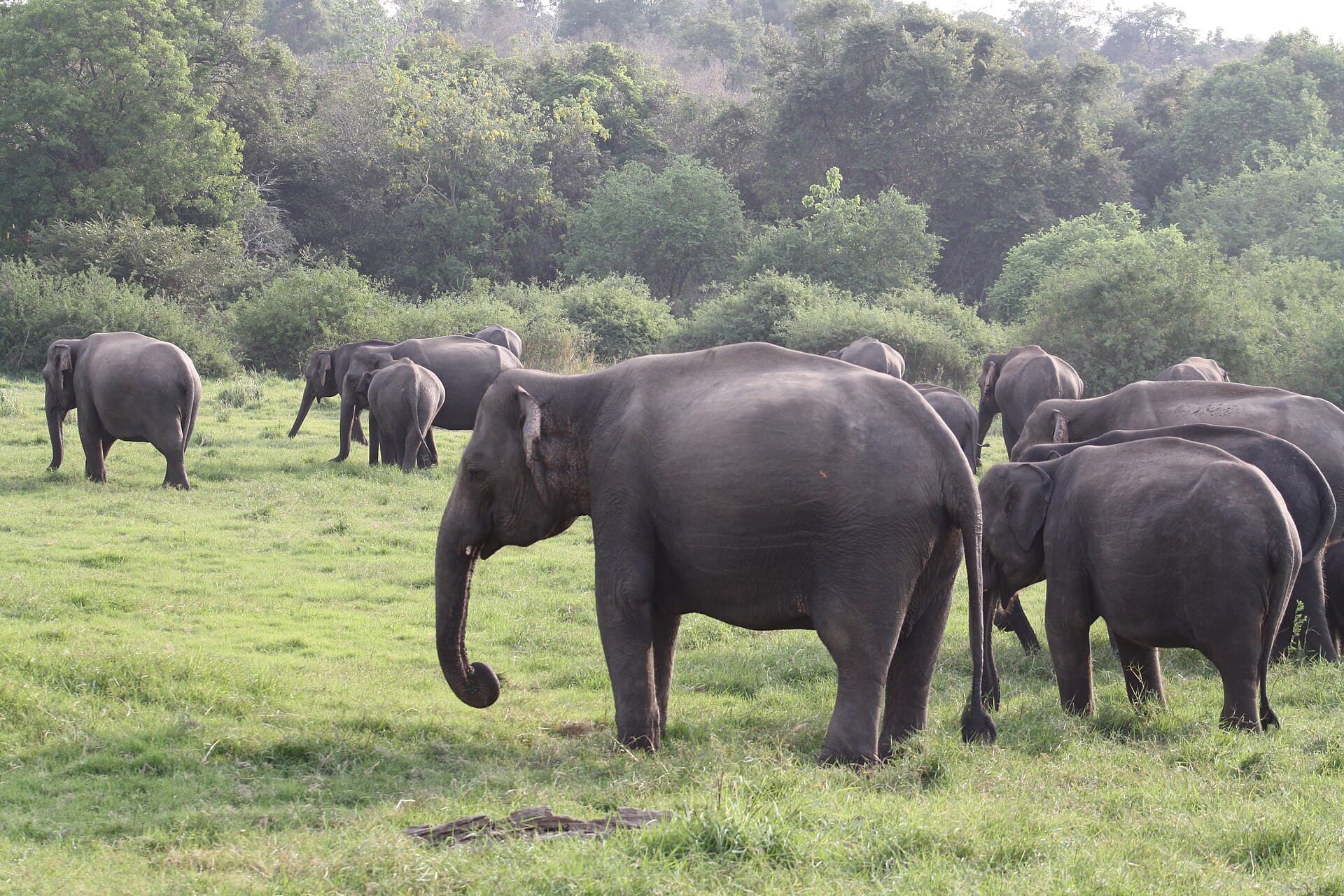
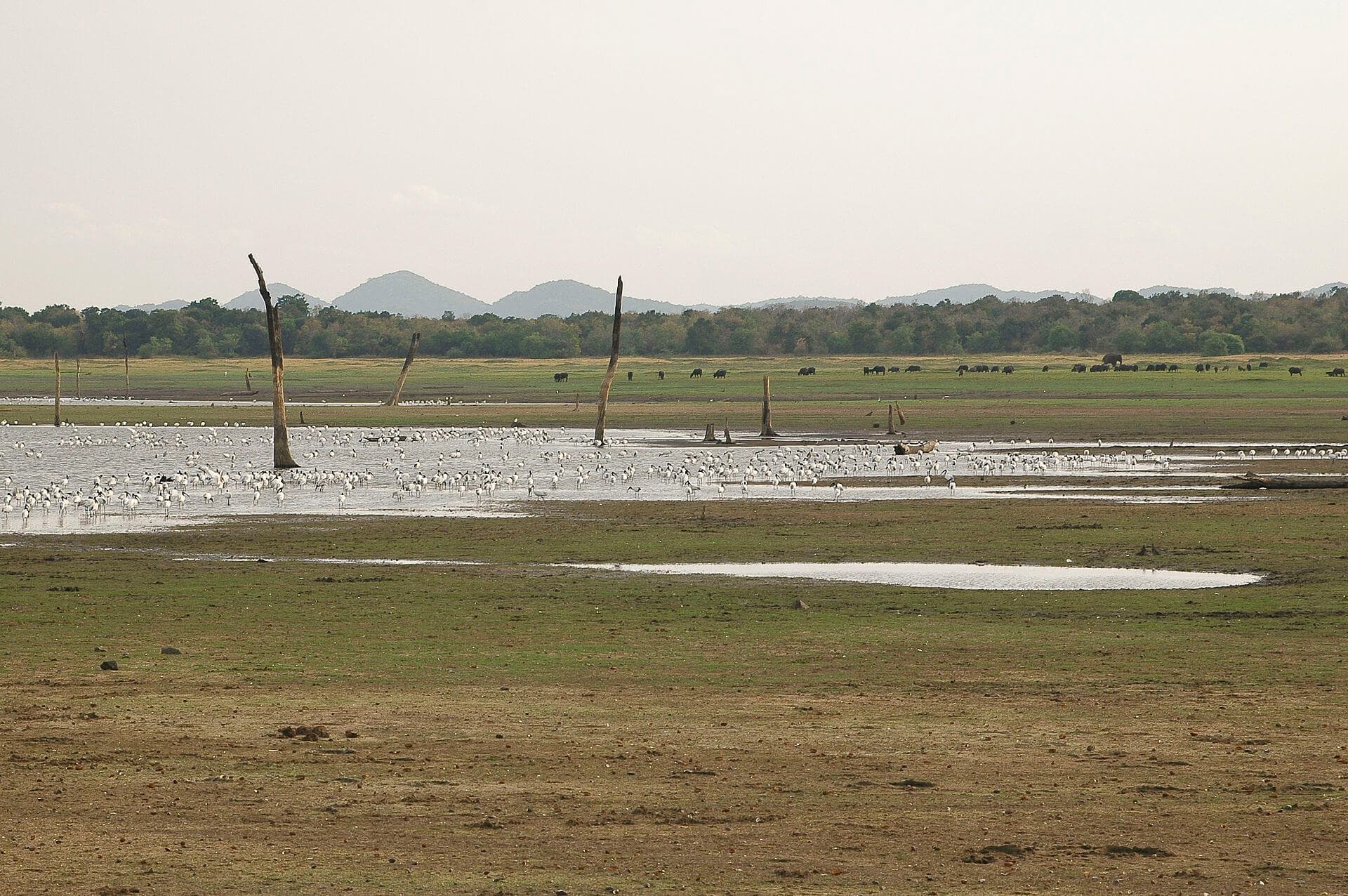
The word wilpattu refers to the villus, and understanding them is understanding the park. These are shallow natural basins that fill with rainwater, rimmed by open grassland and enclosed by thick scrub jungle. There are more than fifty of them scattered across the park, and they are where the wildlife comes out into the open. A drive here alternates between two states. Long sections push through closed scrub forest on sand tracks where visibility is a few metres either side and very little is happening. Then the jungle opens onto a villu, and suddenly you have deer on the grass, buffalo in the water, crocodiles on the bank and birds working the shallows. Good drivers work a circuit of villus, arriving at the productive ones at the right hours and waiting. Leopards and sloth bears move between these basins on fairly predictable routes in the early morning and late afternoon, which is exactly why patience at the right water pays here. The tracks are sand and can be soft, so this is real four wheel drive work. The park generally runs from around 6am to 6pm, with morning and afternoon sessions and full day options. One thing to set expectations on. Because the scrub between villus is dense, Wilpattu does not offer the constant low level activity of an open grassland park. The rhythm is quiet, quiet, quiet, then something excellent. If that sounds frustrating rather than exciting, Udawalawe will suit you better.
The dry season from roughly February to October is the strongest window. As the smaller water sources fail, animals concentrate on the villus that still hold water, the scrub thins, and your chances at any given basin improve sharply. Wilpattu sits in a different rainfall pattern from Yala, taking most of its rain in the northeast monsoon from around October to January. Those months turn the park green and fill every villu, which sounds good but actually makes viewing harder, because animals no longer need to come to a handful of reliable basins. Tracks also get soft and some become difficult. Within the dry season, the later months tend to be better as water becomes scarcer. Sloth bear activity picks up when fruit is available, which your driver will know the timing of far better than any guide written in advance. Morning and afternoon sessions both work. Morning has the coolest air and the most movement, afternoon puts good light on the villus and tends to be quieter still. If you are doing a full day you get both ends plus the quiet middle, which is when a lot of people give up and leave and when a patient driver sitting at the right villu can do very well. Check current conditions before you travel in the monsoon months. Heavy rain can close tracks, and a park this large is much less rewarding if half of it is unreachable.
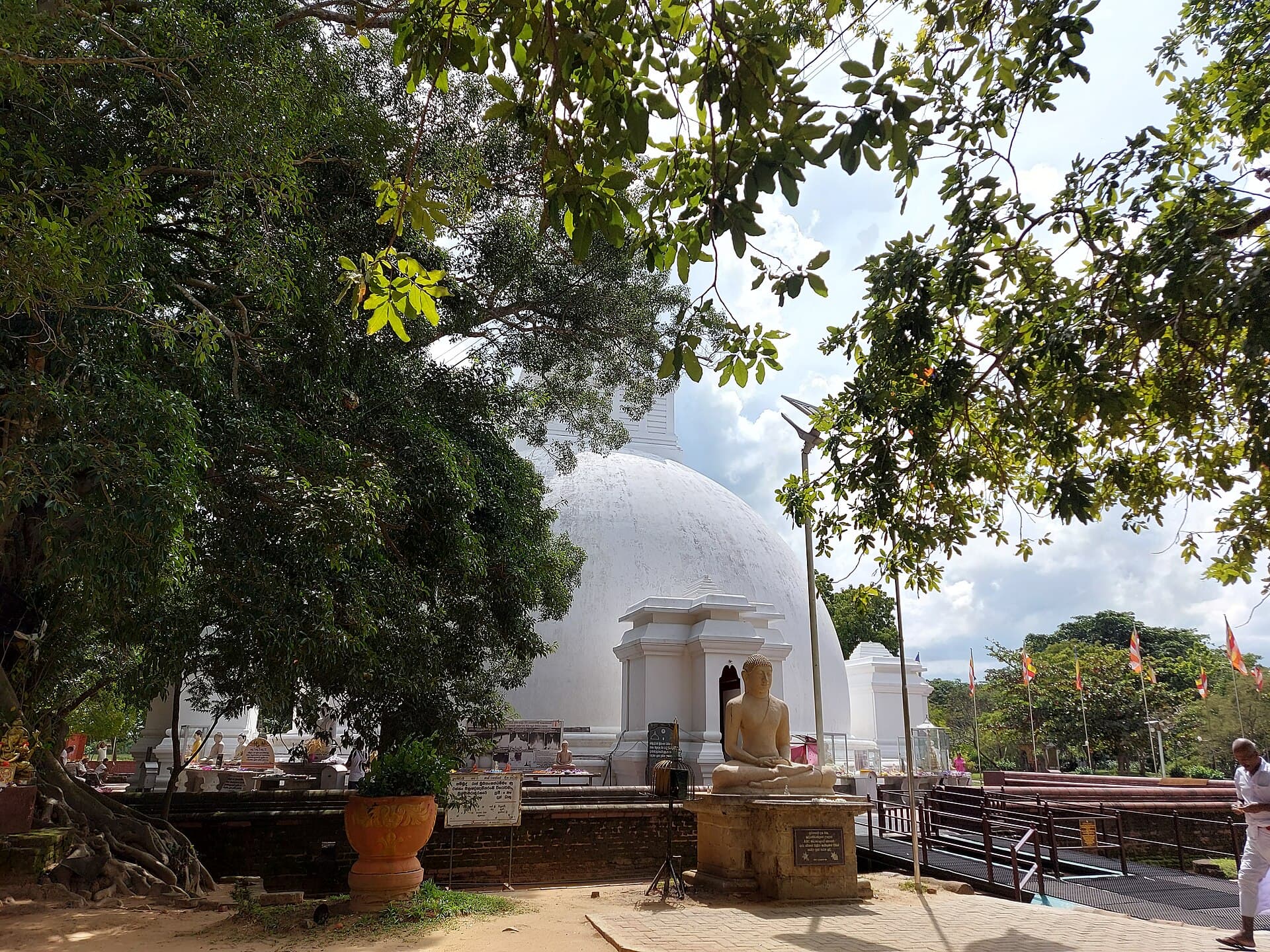
Wilpattu sits in the northwest of the island, roughly 25km north of Puttalam and around 30km west of Anuradhapura. That location is the main reason it stays quiet. It is nowhere near the southern beach circuit, so it only gets visitors who are deliberately routing through the north and west. Anuradhapura is the most popular base and the most useful one, because it lets you pair the safari with the ancient city, which is one of the great archaeological sites in Asia. Puttalam is closer to the gate but has less to offer otherwise. There are also lodges and camps close to the park boundary, and staying at one of those is the best option if you want to be at the gate for opening. From Colombo it is around four hours by road. From Anuradhapura it is roughly an hour to the entrance. If you are travelling from the Cultural Triangle, Wilpattu fits naturally on a route between Anuradhapura and the west coast at Kalpitiya. Bring the usual dry zone kit of sunscreen, hat, sunglasses and plenty of water, plus a light layer for the cold first hour. Dust is heavy on these sand tracks, so bring something to cover a camera. Binoculars matter more here than at the elephant parks, because a lot of what you are doing is scanning the far edge of a villu. A zoom lens of 300mm or more is genuinely useful given the distances involved across open water.
*Note: Prices include service charges and VAT. Rates are subject to change.