National Park
Minneriya National Park
Minneriya is home to the Gathering, the largest seasonal congregation of wild Asian elephants anywhere in the world. Jeep safaris here are at their best in the dry months when herds come to the grass ...
Minneriya is home to the Gathering, the largest seasonal congregation of wild Asian elephants anywhere in the world. Jeep safaris here are at their best in the dry months when herds come to the grass ...
Minneriya is a sanctuary of incredible biodiversity and the site of one of the greatest wildlife spectacles in the world.Wildlife Safari ExperienceA jeep safari tour in Minneriya is defined by the sight of the Great Elephant Gathering. Seeing over 300 elephants in one location is an unforgettable safari jeep experience. The park's terrain is relatively flat, making it easy to spot wildlife across the tank's edges.Wildlife HighlightsWhile elephants are the stars, visitors can also see Purple-faced Langurs, Macaques, and large flocks of Little Cormorants and Pelicans. During the late afternoon, the reservoir banks teem with activity.Landscape & EcosystemThe landscape includes low-canopy forests, scrublands, and the vast Minneriya Tank, which dates back to the 3rd century AD.Best Time to VisitThe "Gathering" peak occurs during the dry months of August and September.
Total Area
88.9 sq km
Established
1938
City
Habarana
Coordinates
8.0267000, 80.8241000
No jeeps available yet
Check back soon for safari jeeps at this destination.
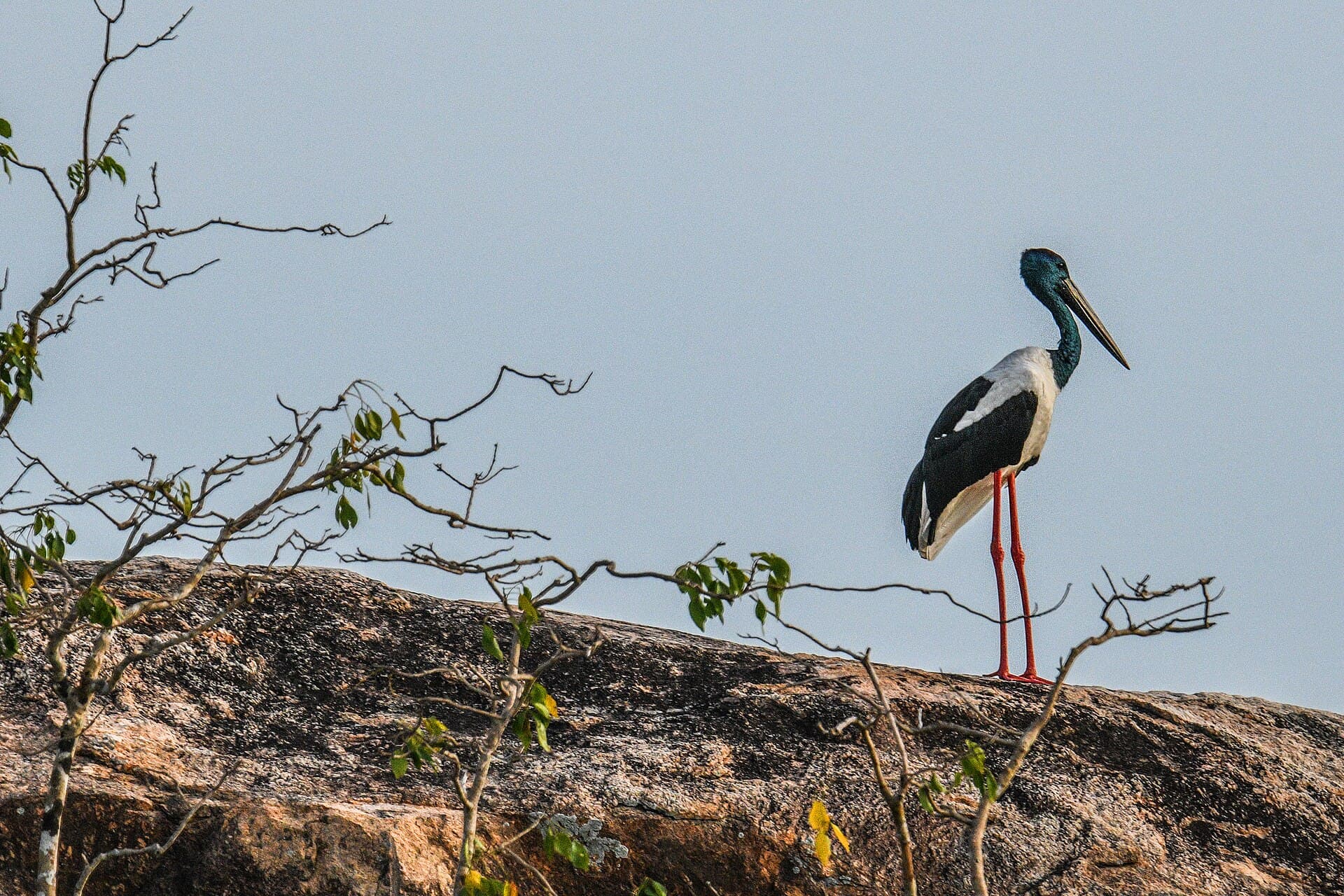
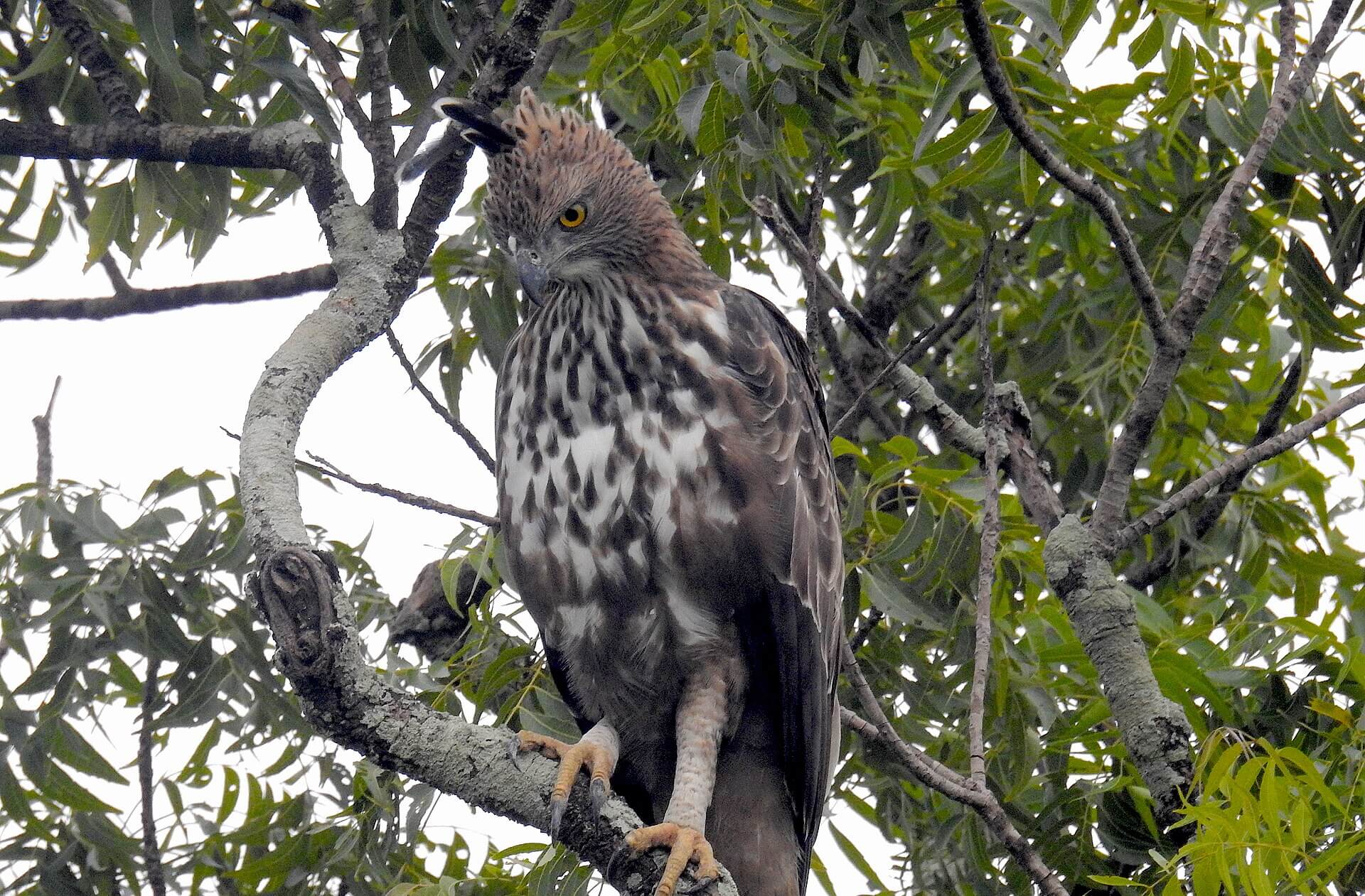
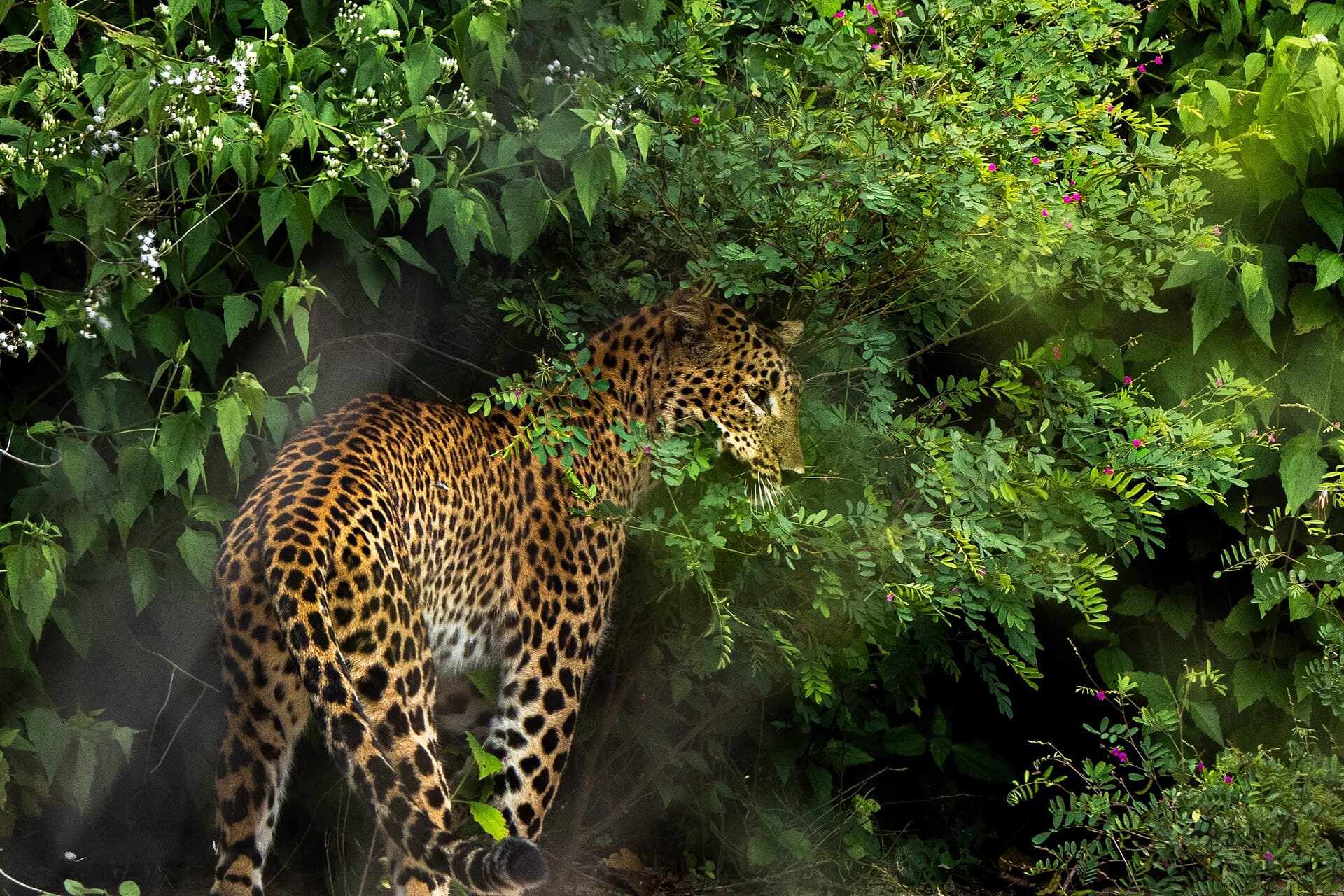
Minneriya is defined by a single spectacle. In the dry months, as water dries up across the surrounding country, elephants converge on the Minneriya reservoir, an ancient man made tank that holds water when little else does. As the water level drops it exposes a bed of fresh nutrient rich grass, and the herds come for it. At the peak of the season it is possible to see well over two hundred elephants in one place, and this is the largest gathering of Asian elephants known anywhere in the world. Seeing it is different from a normal elephant sighting. Rather than one family group moving through scrub, you are watching multiple herds on open ground at the same time, with calves, sub adults and bulls all in view, interacting across the grassland. It is the reason people travel to this part of the island. Outside the Gathering the park is quieter but still productive. Spotted deer, sambar, wild boar, water buffalo and grey langur are all regular, and toque macaque are common along the tracks. Leopards and sloth bears are present but genuinely rare to see. Birds do well around the tank. Pelicans, painted storks, cormorants, herons and egrets work the shallows, and raptors including grey headed fish eagles hunt over the water. Peafowl are everywhere in the open scrub.
The Gathering is seasonal, and this is the single most important thing to understand before booking a Minneriya safari. It builds through the dry season. Elephants begin arriving as surrounding water sources fail, numbers climb through the driest months, and the spectacle is generally at its strongest from around July to October. Some years it starts earlier and runs from June. If the rains arrive early, or grazing improves elsewhere, the herds move on sooner. Book inside that window and you are travelling for one of the genuine wildlife events in Asia. Book outside it and you will have a pleasant but ordinary safari, with a fraction of the elephants and no gathering to speak of. Neither is a bad trip, but they are not the same trip, and it is worth being clear with yourself about which one you are buying. The other thing to know is that the elephants do not respect park boundaries. Minneriya, Kaudulla and the surrounding habitat form one system, and the herds move between them depending on where the water and grazing are best in a given week. In some seasons the main concentration sits in Kaudulla rather than Minneriya. This is why a local driver matters more here than almost anywhere. A driver working these parks daily knows where the herds actually are this week, not where they were last year. Ask before you travel and be willing to take their recommendation on which park to enter.
Compare parks before you book. Each one suits a different trip.
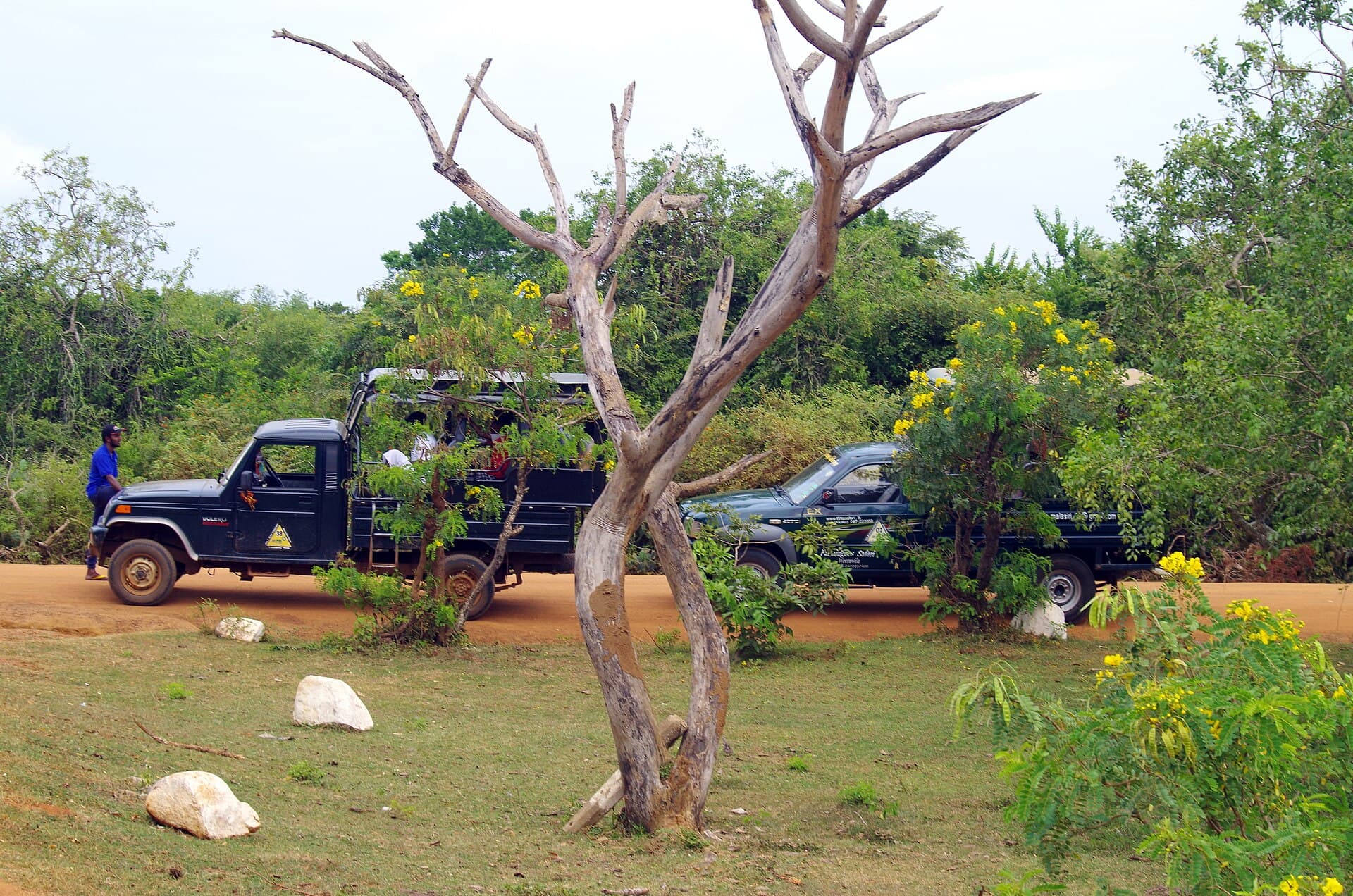
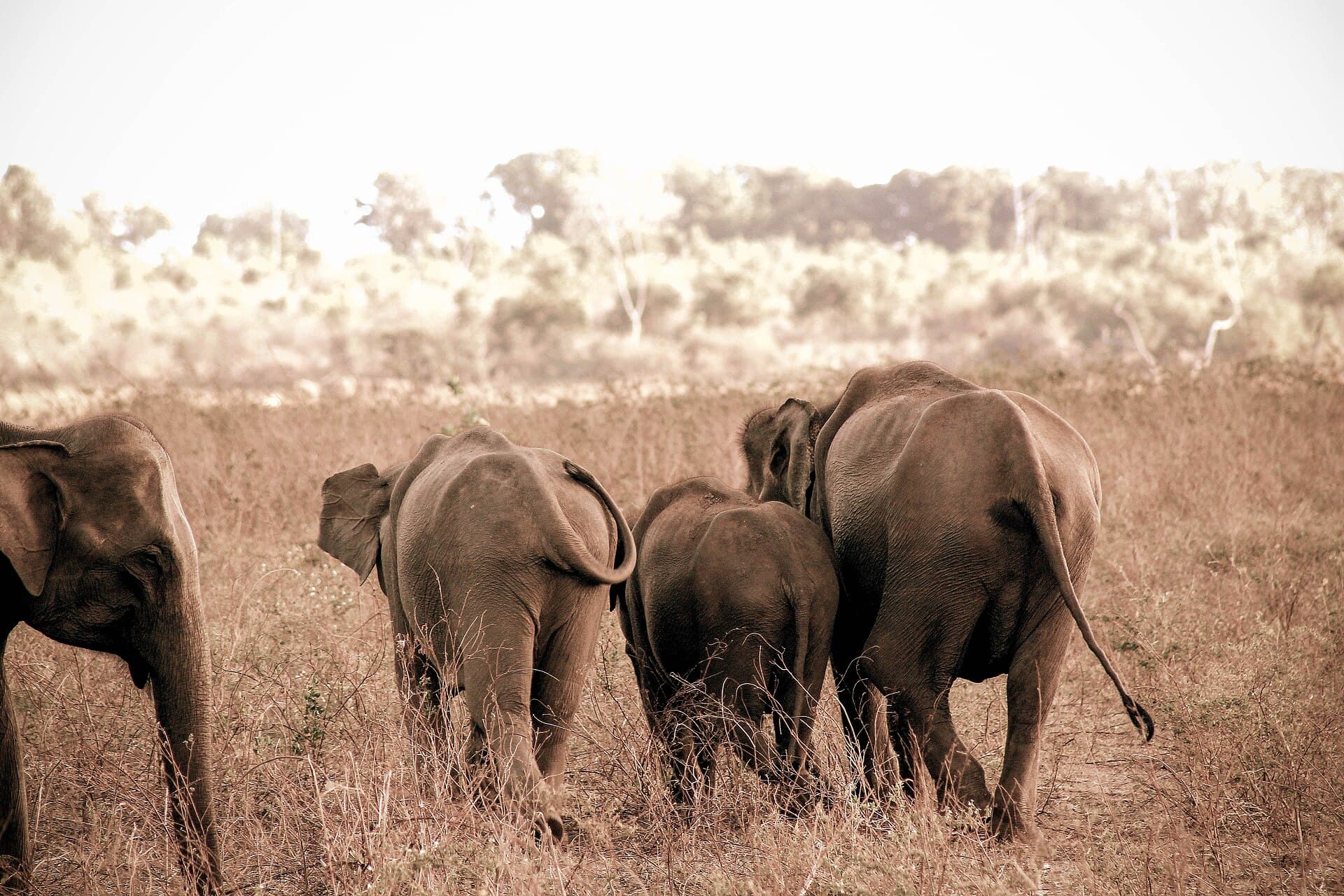
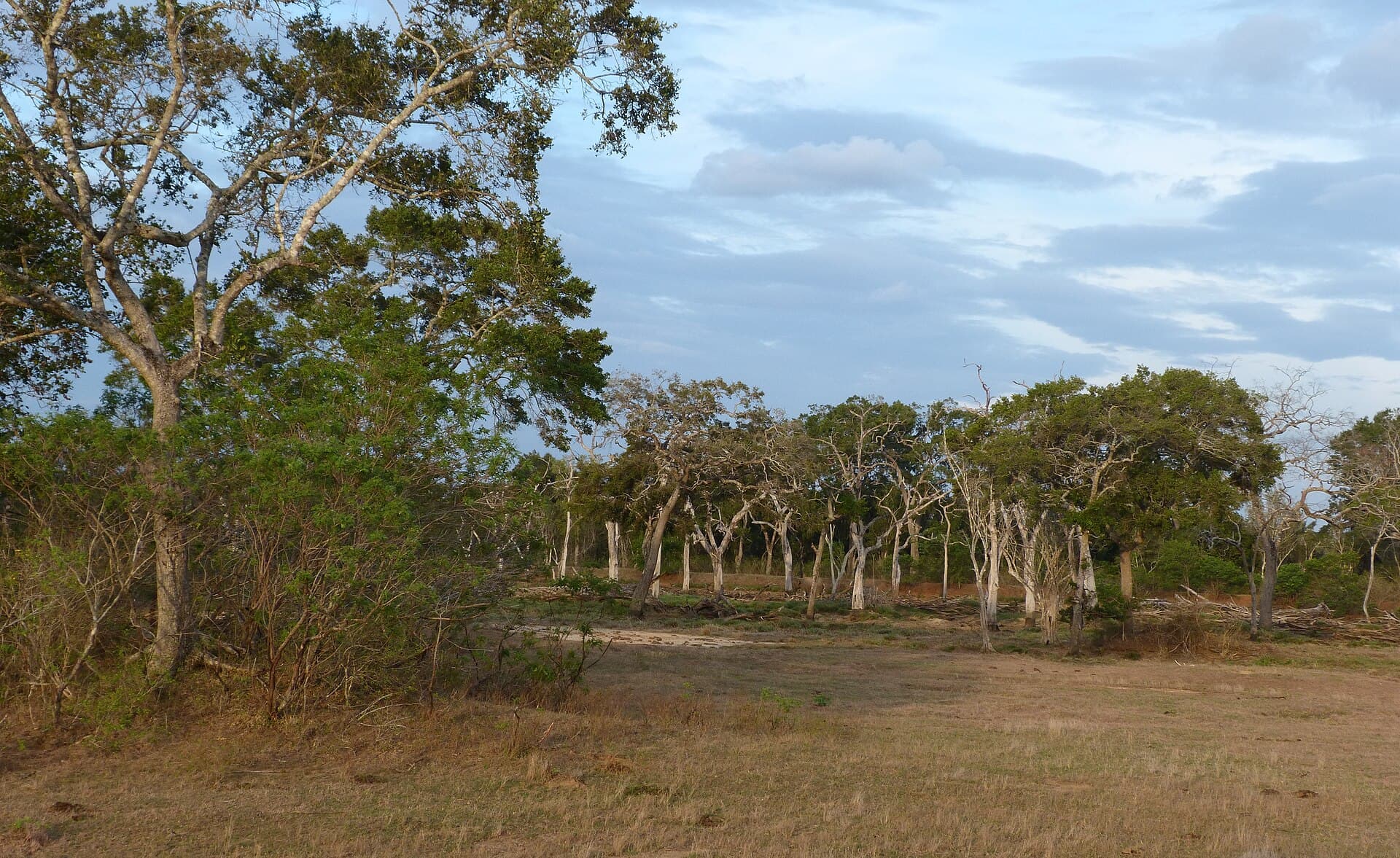
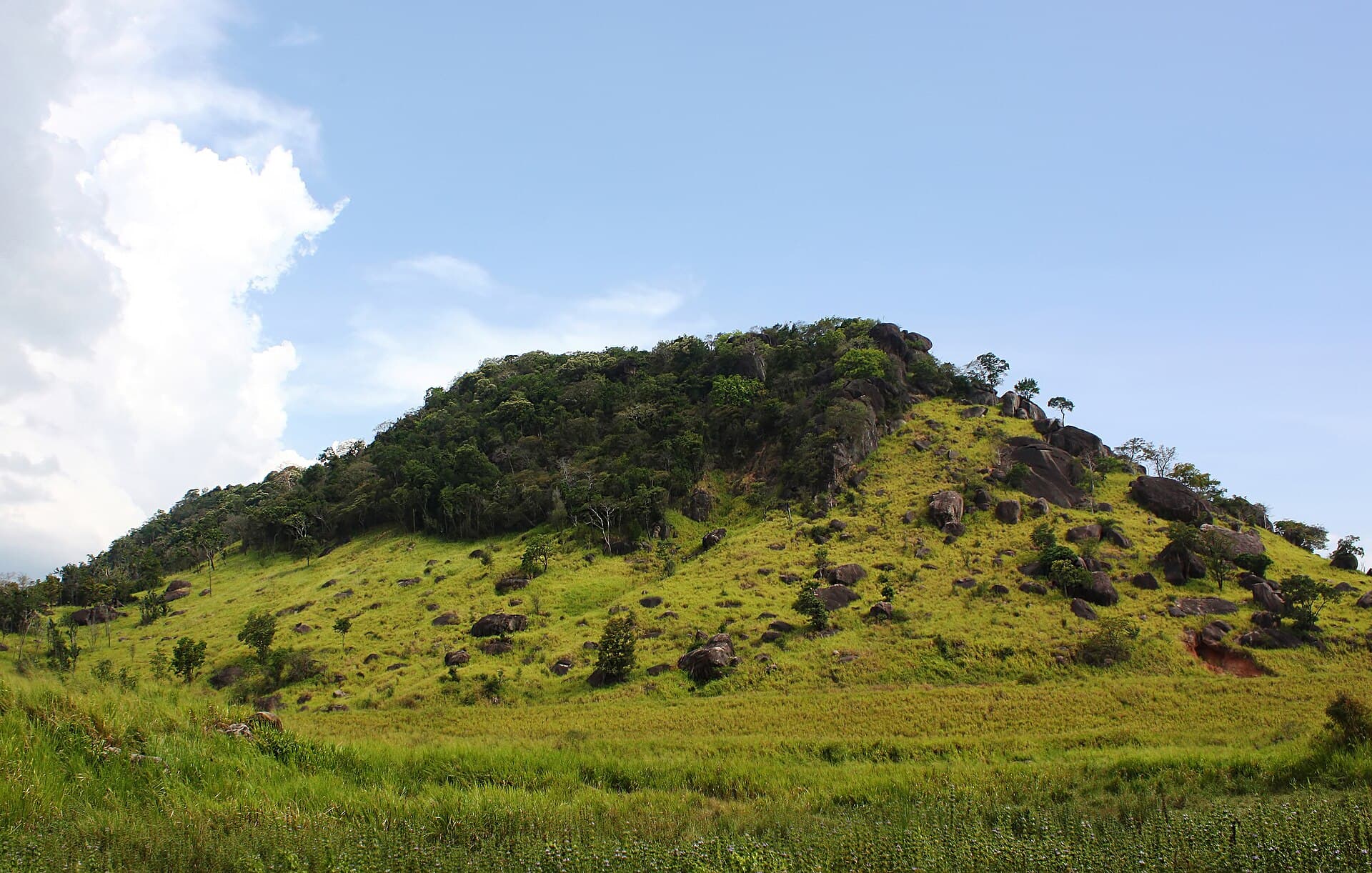
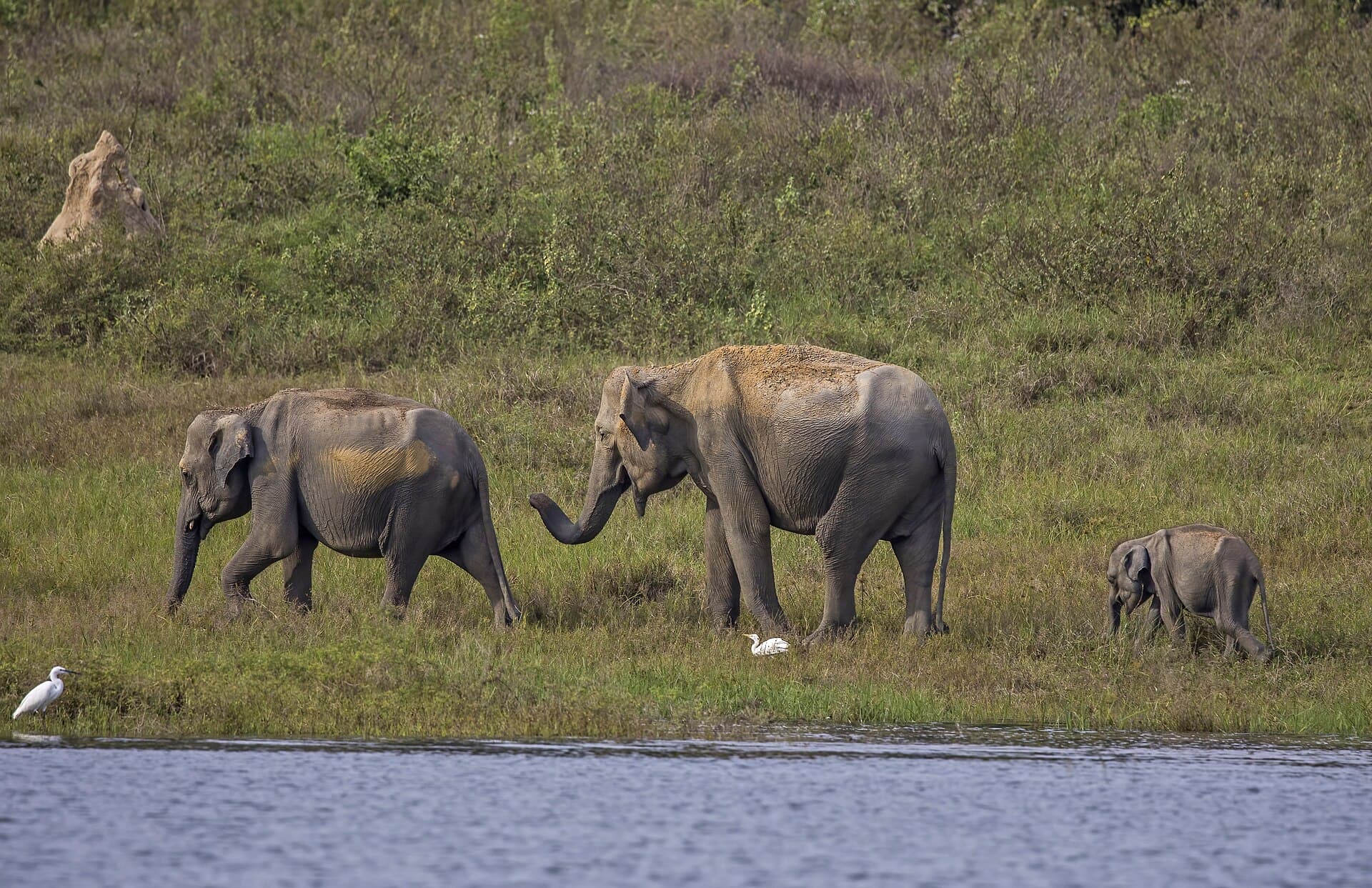
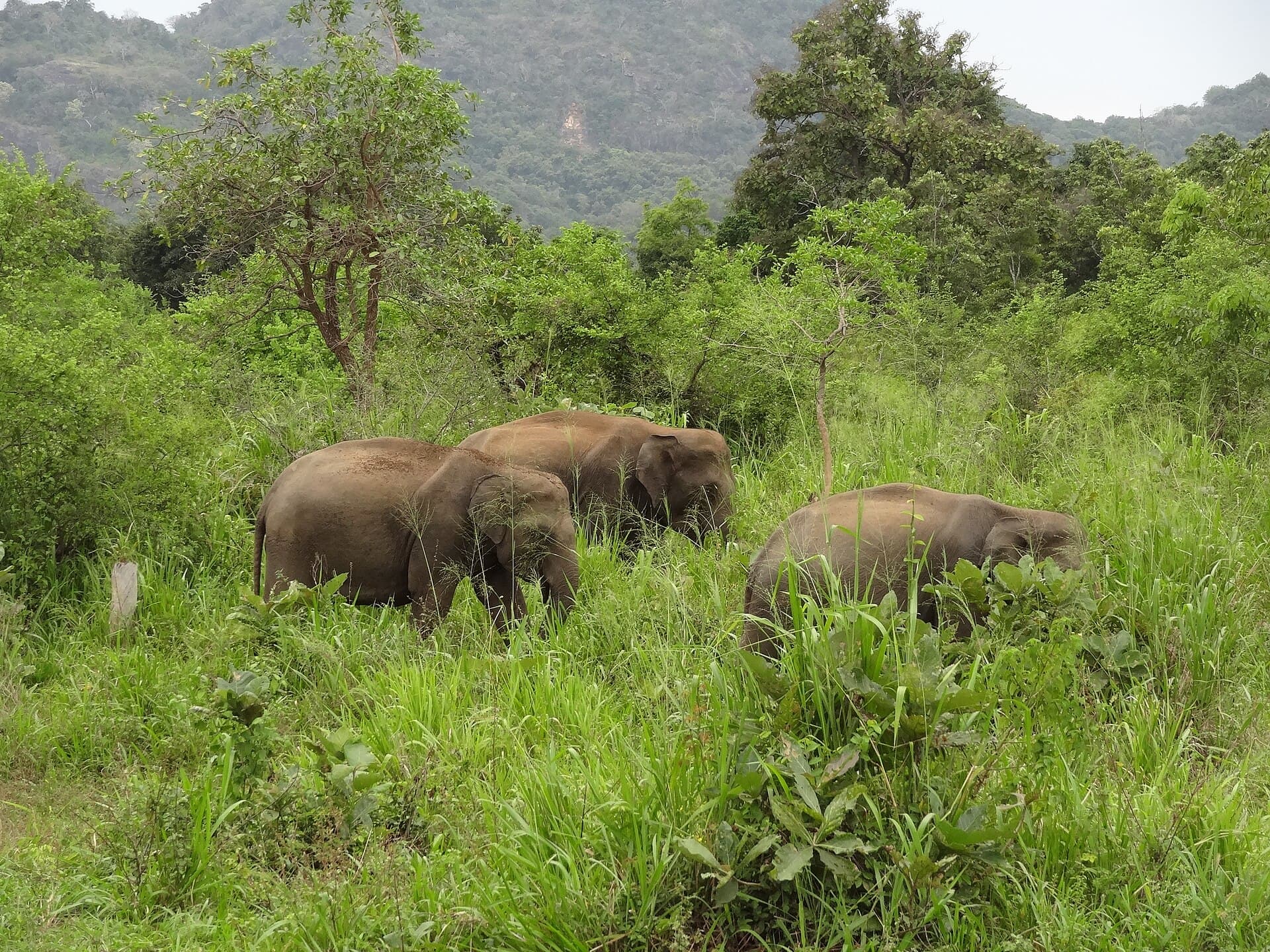
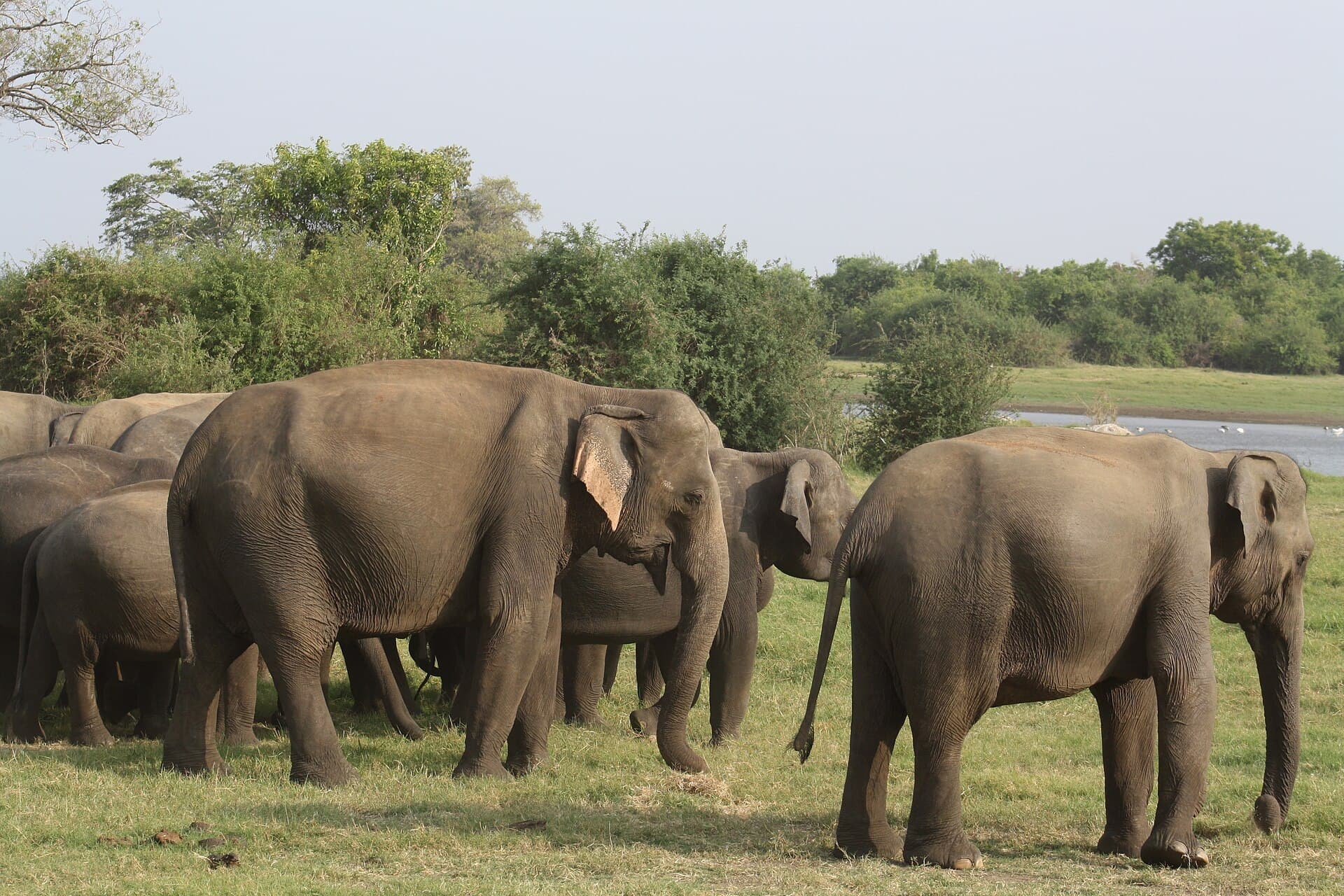
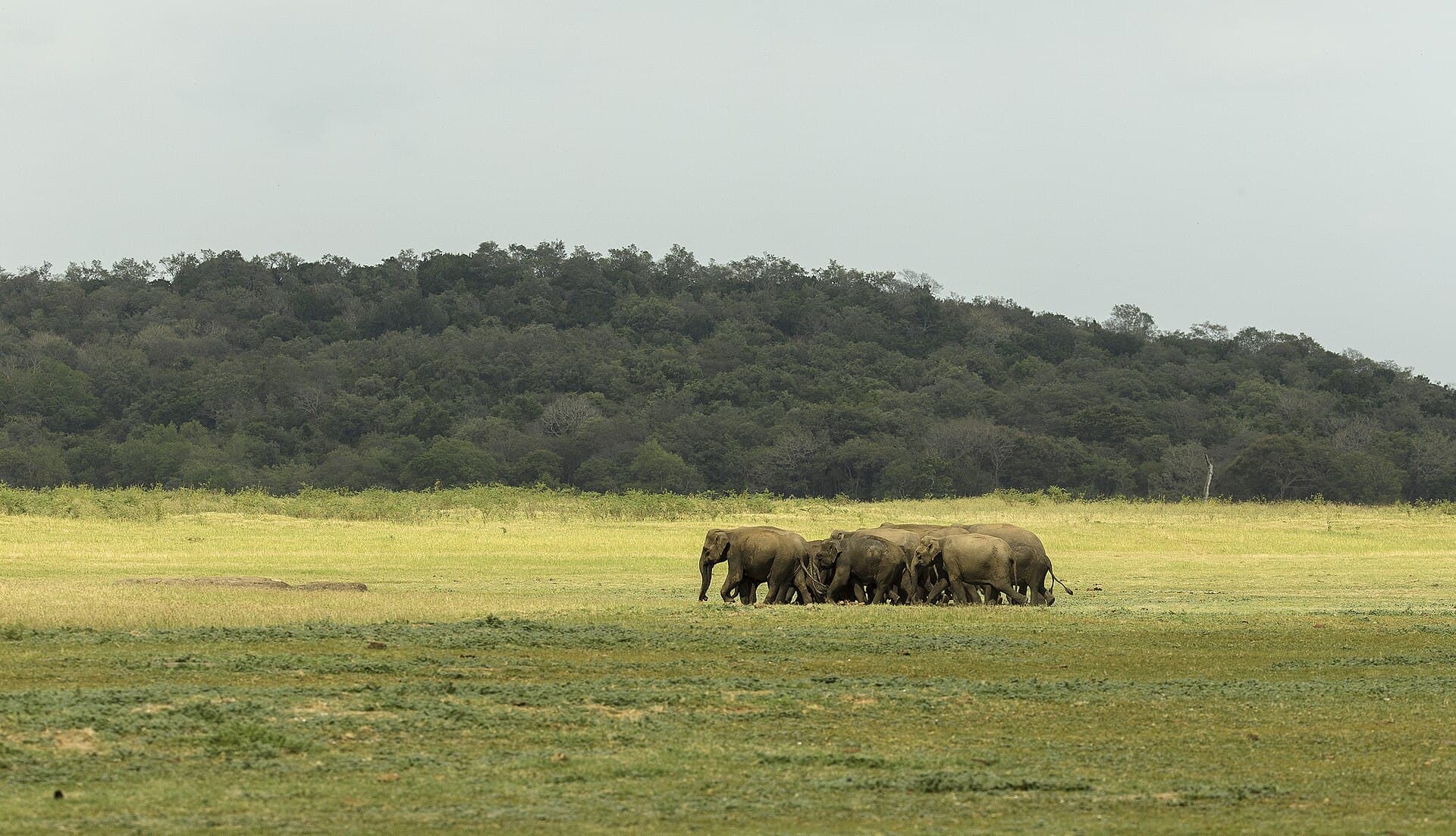
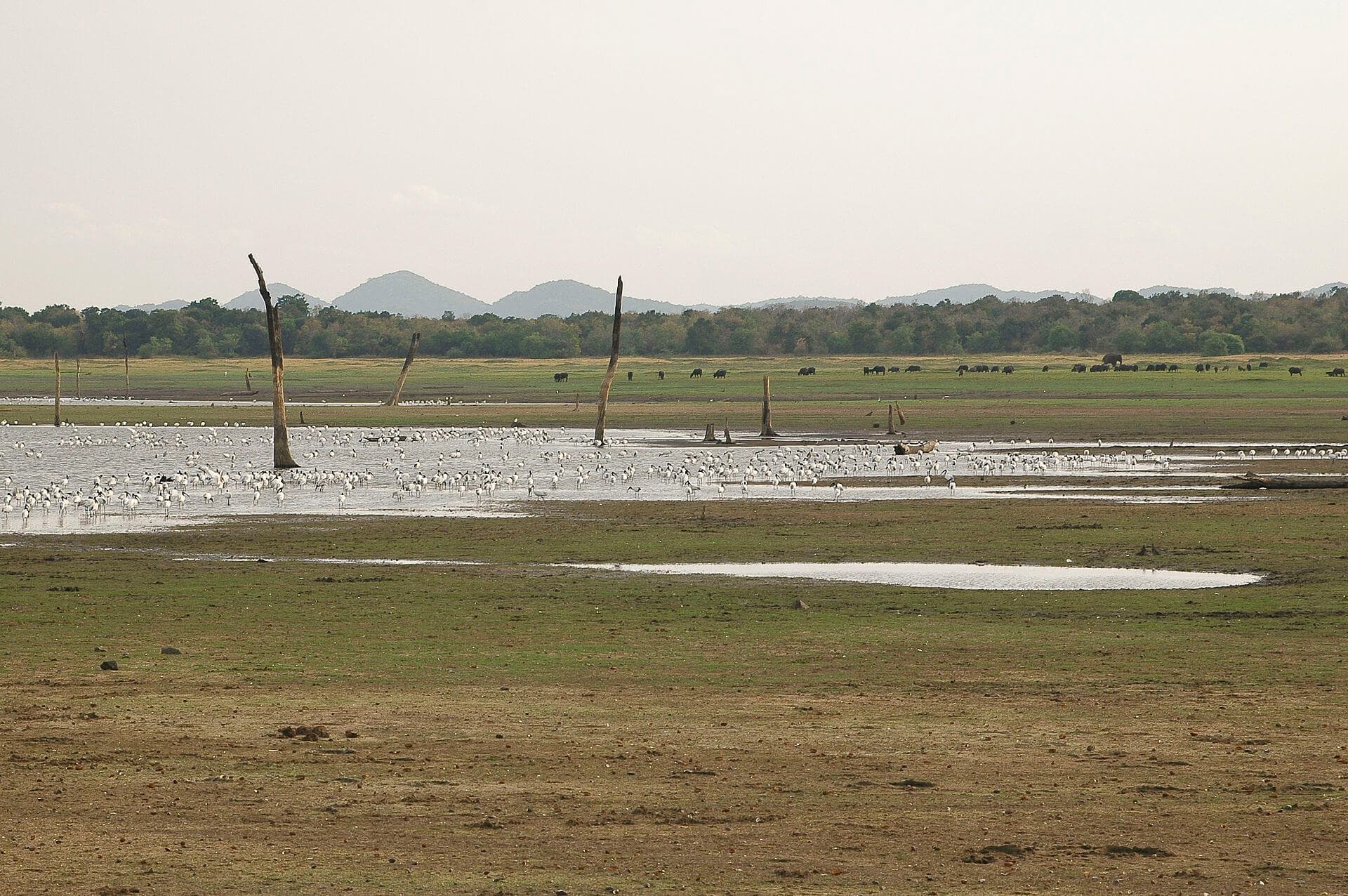
Safaris run in two sessions, morning and afternoon, in open topped four wheel drive jeeps seating up to six passengers with a driver guide. For the Gathering, the afternoon session is the one to take. Elephants come out onto the exposed tank bed through the late afternoon, and the concentration is typically at its greatest in the last hours before the park closes, with good light behind it. Afternoon safaris usually leave around 2pm to 3pm. Morning sessions are worth doing for general wildlife and birds, but they will not usually show you the gathering at full strength. Once inside the park, the drive runs on dirt tracks through forest and scrub before opening out at the tank. That first view across the grassland with herds spread out on it is the moment the trip is built around. Your driver will position the jeep and hold there, and the right thing to do is stay put and watch rather than push to cover ground. Keep a sensible distance. These are wild elephants in large numbers, with calves present, and vehicles that crowd them cause real stress and real risk. A good driver will keep back, cut the engine and let the herd carry on as if you were not there. That is also how you get the better photographs. A session runs roughly three to four hours including the drive in and out.
Three protected areas sit close together in this part of the dry zone, and the elephants circulate between them. Choosing well is mostly a matter of timing. Minneriya is the classic choice and the park most associated with the Gathering. Its reservoir and exposed grassland are what produces the huge congregations in the driest months. Kaudulla is a short drive away and works on the same principle around its own tank. When Minneriya's water levels are wrong, or the herds have shifted, Kaudulla often holds the main concentration instead. Many operators will move a booking between the two depending on where the animals are. Hurulu Eco Park is the third option and tends to come into its own when both tanks are less productive, particularly in the wetter months. It is smaller and the habitat is drier scrub forest rather than open grassland. The practical approach is not to fix on a park name before you travel. Decide that you want to see the Gathering, book a jeep with a driver who works this area daily, and let them tell you which entrance gives the best chance the week you arrive. Locking yourself to Minneriya in a season when the herds are in Kaudulla is the most common way visitors end up disappointed here.
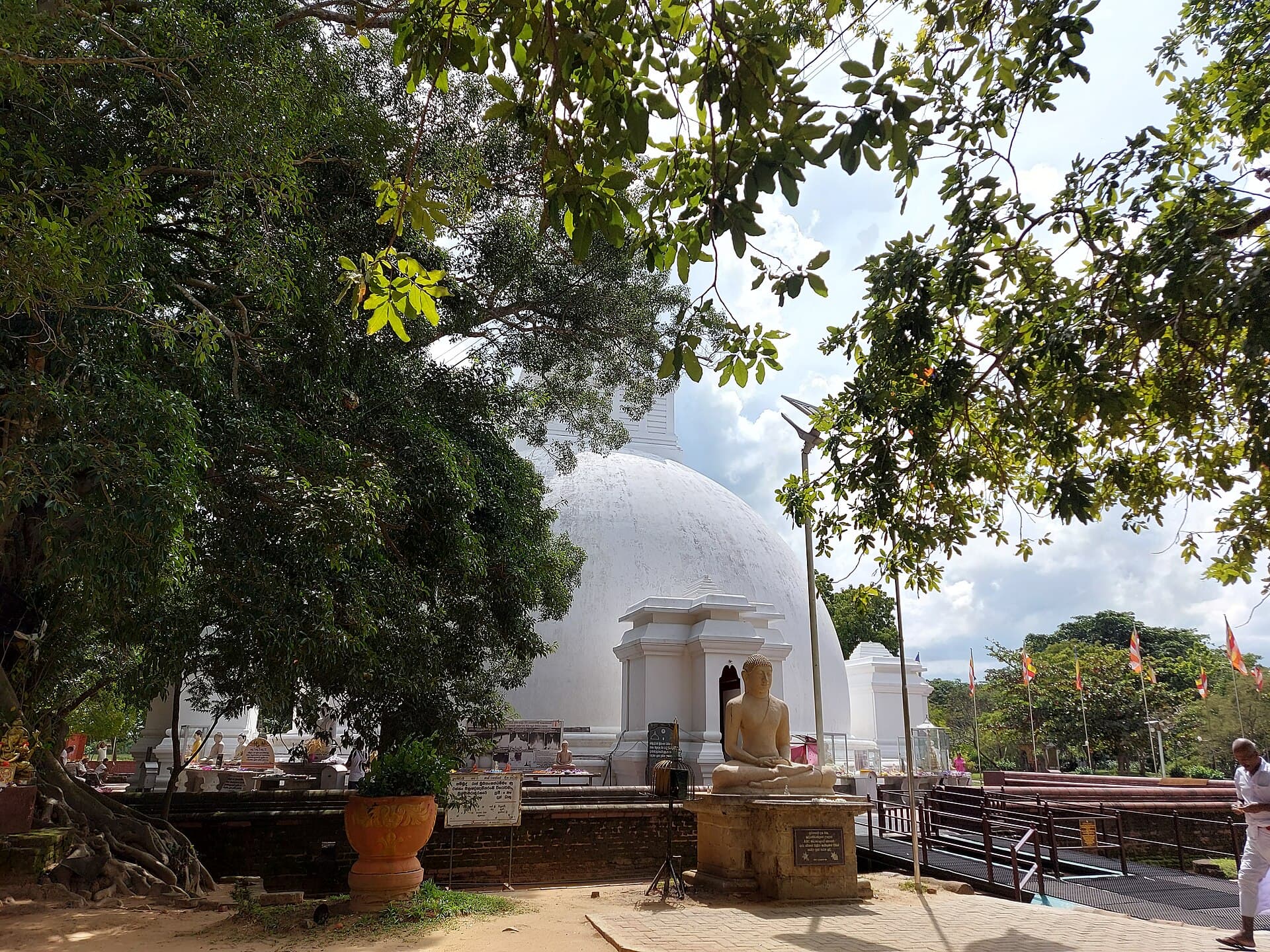
Minneriya sits in the Cultural Triangle in the north central dry zone, which makes it easy to combine with the region's archaeological sites. Most visitors base themselves in Habarana, Sigiriya, Dambulla or Polonnaruwa, all within a short drive of the park entrance. Habarana is the most convenient base for safaris and sits roughly midway between the parks. Sigiriya is the popular choice if you want the rock fortress and a safari in the same day, climbing in the early morning and taking an afternoon jeep session. Polonnaruwa works well if the ancient city is on your list. From Colombo it is around four to five hours by road. From Kandy it is roughly three. The park fits naturally into the standard Cultural Triangle circuit rather than needing a dedicated trip. For an afternoon safari your jeep will usually collect you in the early afternoon. Bring sunscreen, a hat, sunglasses and water, because the open tank area has no shade and the afternoon sun is strong. A light layer is useful for the drive back after sunset. Binoculars help with the birds around the tank, though the elephants need no assistance. A zoom lens in the 200mm range is plenty for herd photography, and a wider lens is genuinely worth having here because the scale of the gathering across open grassland is the shot that a long lens cannot take. Book ahead in the dry season. This is the busiest period in the Cultural Triangle and the experienced drivers go first.
*Note: Prices include service charges and VAT. Rates are subject to change.