National Park
Lunugamvehera National Park
Lunugamvehera sits between Yala and Udawalawe and exists to keep the corridor between them open for migrating elephants. It is a large reservoir surrounded by scrub, it is very quiet, and it is the be...
Lunugamvehera sits between Yala and Udawalawe and exists to keep the corridor between them open for migrating elephants. It is a large reservoir surrounded by scrub, it is very quiet, and it is the be...
Lunugamvehera is a crucial bridge for elephants migrating between the central highlands and the southern coast. It serves as a peaceful alternative to the busier southern parks.Wildlife Safari ExperienceA jeep safari tour here provides a sense of discovery. The safari jeep experience is characterized by sightings of elephants moving through the scrub, often in smaller, more intimate groups than in Udawalawe.Wildlife HighlightsExpect to see Asian Elephants, Spotted Deer, Wild Boar, and occasional Leopards. The Lunugamvehera reservoir attracts numerous waterbirds and mugger crocodiles.Landscape & EcosystemThe park's terrain consists of dry monsoon forest and scrublands, surrounding a large reservoir that dominates the landscape.Best Time to VisitThe dry season from June to September is ideal for spotting mammals near the water.
Total Area
235 sq km
Established
1995
City
Tissamaharama
Coordinates
6.3833000, 81.1667000
No jeeps available yet
Check back soon for safari jeeps at this destination.
Lunugamvehera is an elephant park, but in a different sense from Udawalawe. Rather than a resident population you can count on, this is a corridor. Elephants move through here between Yala and Udawalawe, particularly during drought when they are travelling in search of water and grazing, and numbers on any given day depend on what is happening in the parks either side. That makes it less predictable and, when the timing is right, genuinely impressive. During migration periods you can see substantial numbers moving through open country, and you will very likely have them to yourself. The reservoir is the centre of the park and around an eighth of the total area is water. It draws everything. Spotted deer, sambar, wild buffalo and wild boar come down to drink, crocodiles hold the margins, and the bird list runs to well over a hundred and eighty species with the water attracting pelicans, storks, herons and a good range of raptors overhead. Leopards are present, as they are across this whole southern belt, but they are rarely seen and you should not plan a visit around them. The honest summary is that Lunugamvehera is a quiet, pretty, inexpensive park where you might see something excellent and will certainly see very few other vehicles. It is not the park to book if you need a guaranteed headline sighting.
This park exists in the shadow of two famous neighbours, and the case for it is specific rather than universal. Book it if you have already done Yala and Udawalawe and want something without other jeeps in it. Book it if the crowding at Yala is what put you off safaris in the first place. Book it if you are travelling on a budget, because entry and jeep costs here are lower than the headline parks. And book it if you are simply passing between Yala and Udawalawe, because it sits directly between them and costs you no detour. Do not book it as your only safari in Sri Lanka. The wildlife density is lower than Udawalawe and the odds of a standout sighting are lower than Yala. It is a park that rewards visitors who already have a safari or two behind them and now want quiet and space rather than guaranteed animals. What you get in exchange is real. On many sessions you will not pass another vehicle. Your driver can stop wherever you want for as long as you want. Nobody is racing a radio call. The reservoir at the right hour with nothing but birds and a few buffalo is a genuinely restorative few hours in a way that a Yala scramble is not. Book the jeep rather than a seat, as always, and treat the day as an exploration rather than a hunt for one animal.
The reason this park is protected is the corridor. Elephants need to move between Yala and Udawalawe, and without a protected route between them the two populations would be cut off from each other by farmland and settlement. Lunugamvehera keeps that route open. For visitors this means elephant numbers here are seasonal and driven by conditions elsewhere. During drought, when water and grazing fail in the surrounding country, herds move through toward Udawalawe and the park can hold significant numbers. At other times the same tracks can be quiet. The dry season is therefore the stronger window, both because animals concentrate at the reservoir and because that is when movement through the corridor picks up. Outside it, the park greens up, the water spreads out and the animals disperse. There is no reliable published schedule for this, because it depends on rainfall patterns in a given year. The practical approach is exactly the same as at Minneriya. Ask a driver who works the area what is happening this month. Someone running safaris in this corridor weekly knows whether herds are moving through now or whether you would do better at Udawalawe an hour up the road. A good local driver will tell you honestly if it is a quiet period, and a driver who tells you that is one worth booking.
Compare parks before you book. Each one suits a different trip.
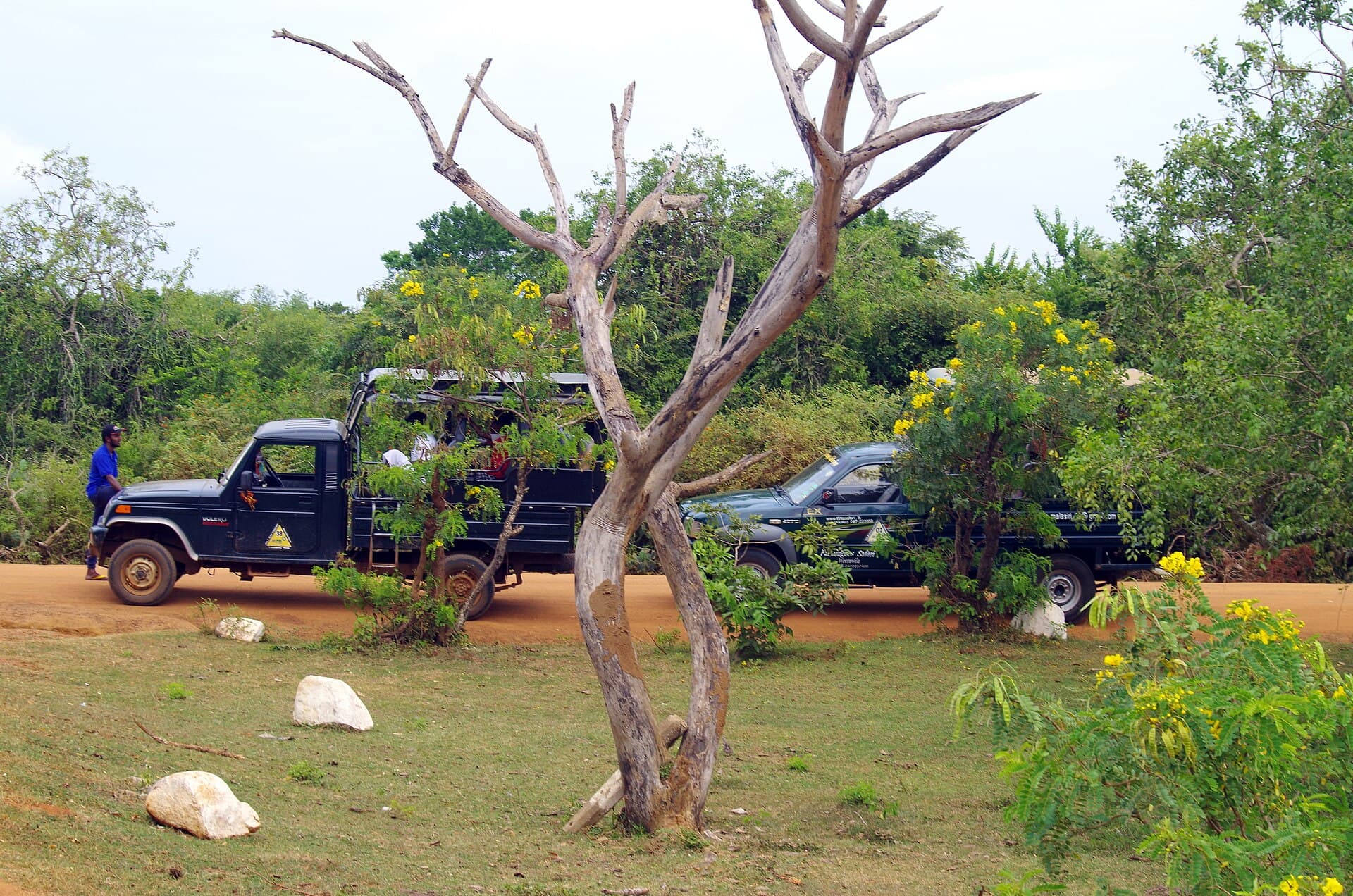
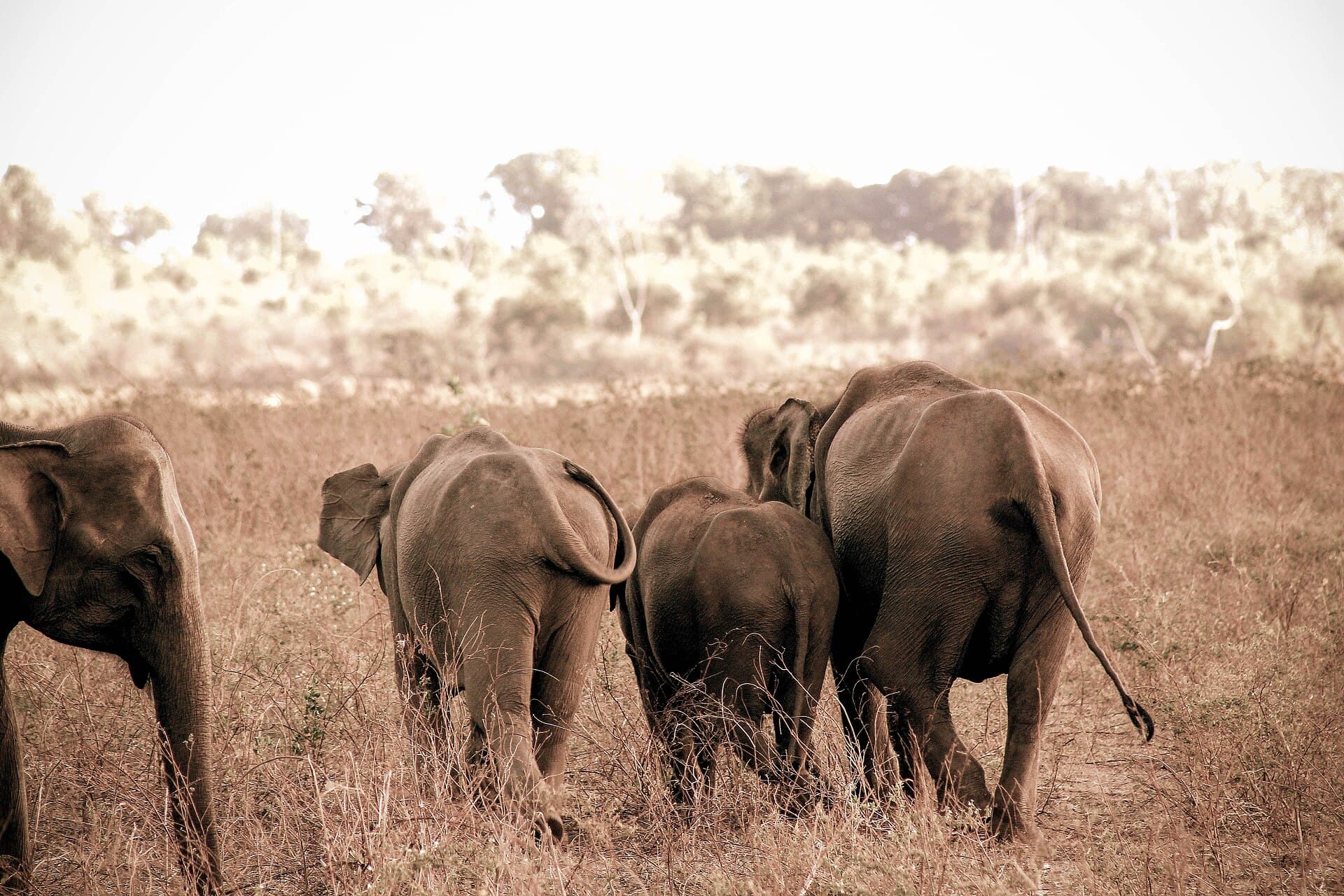
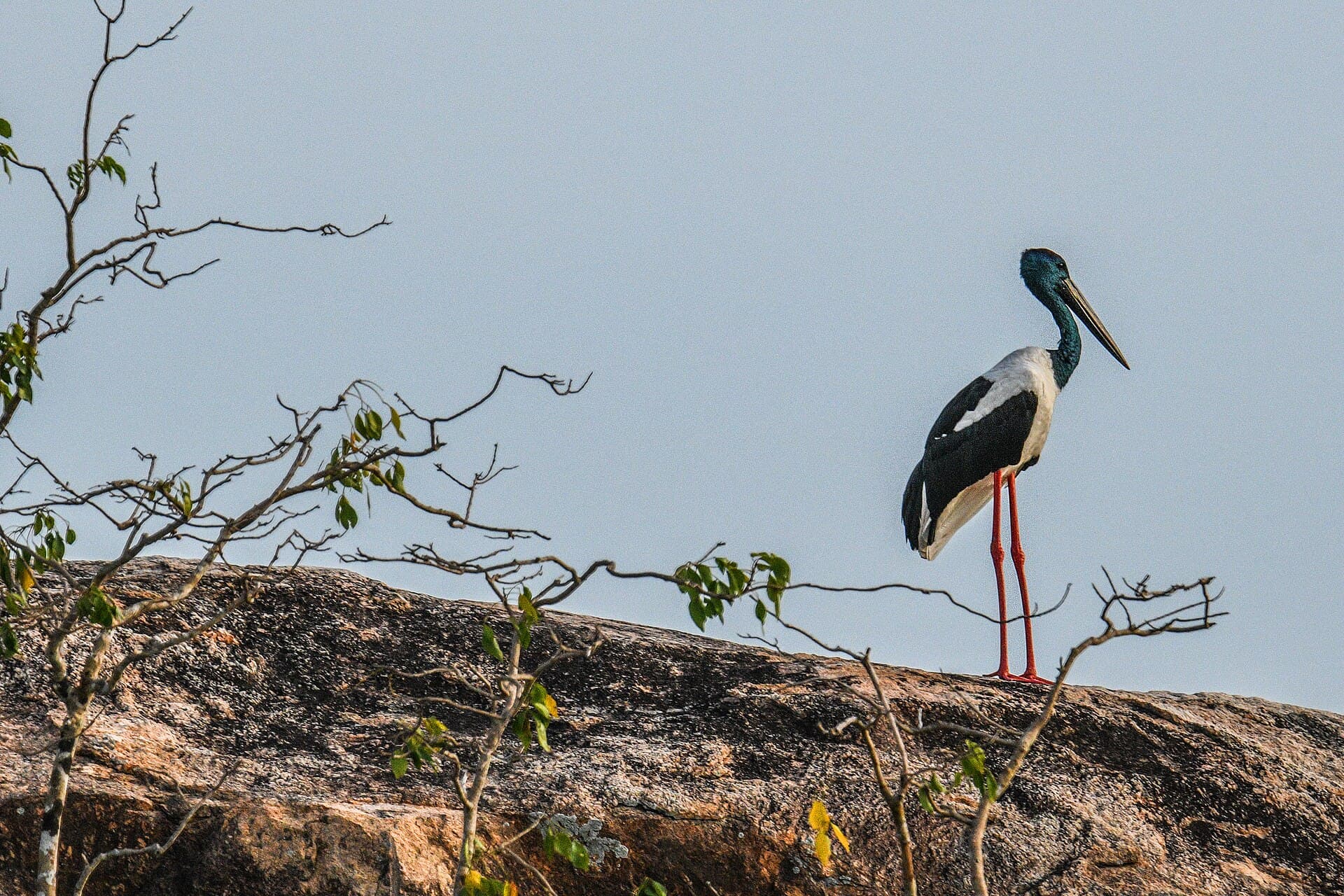
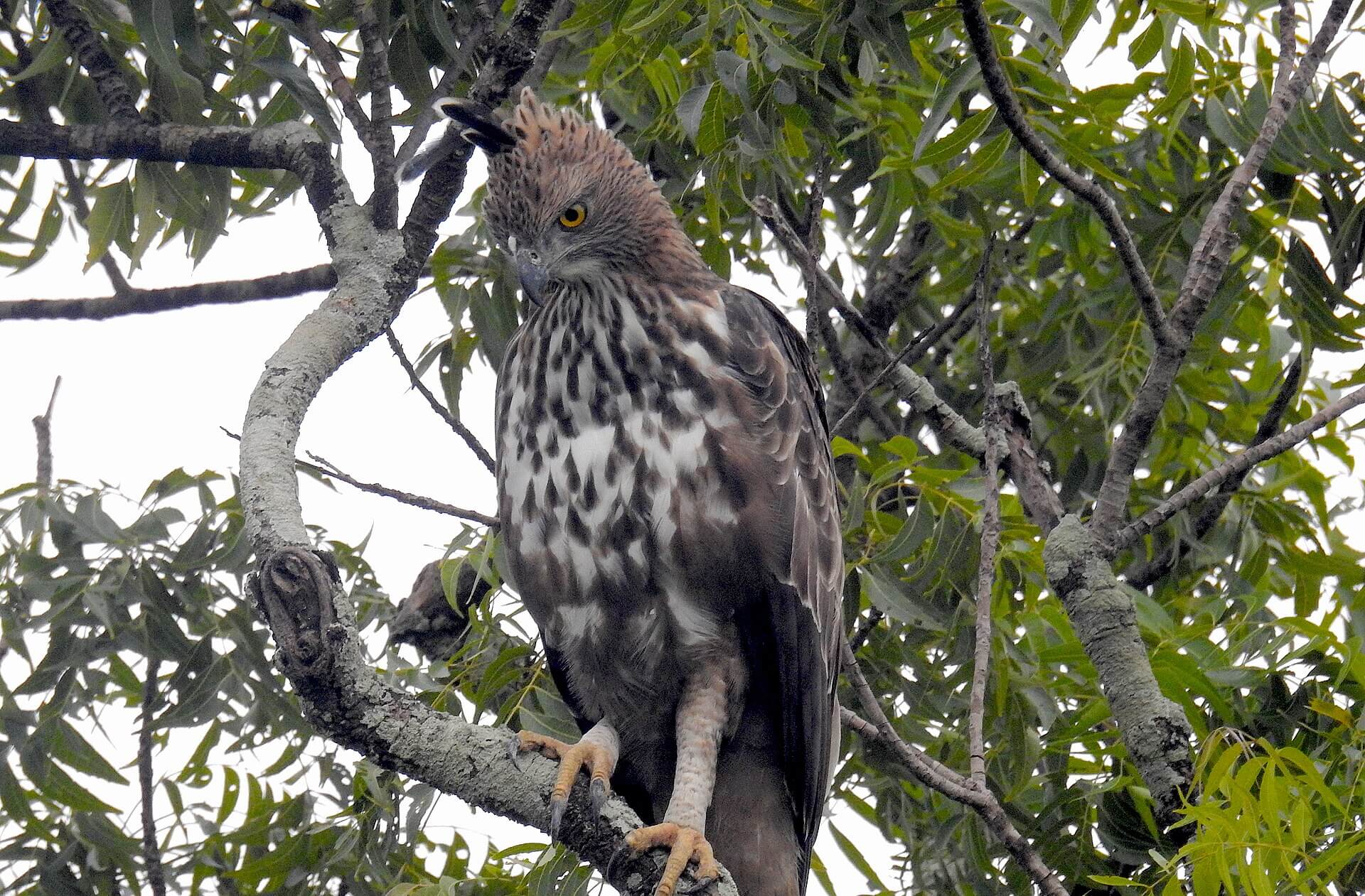
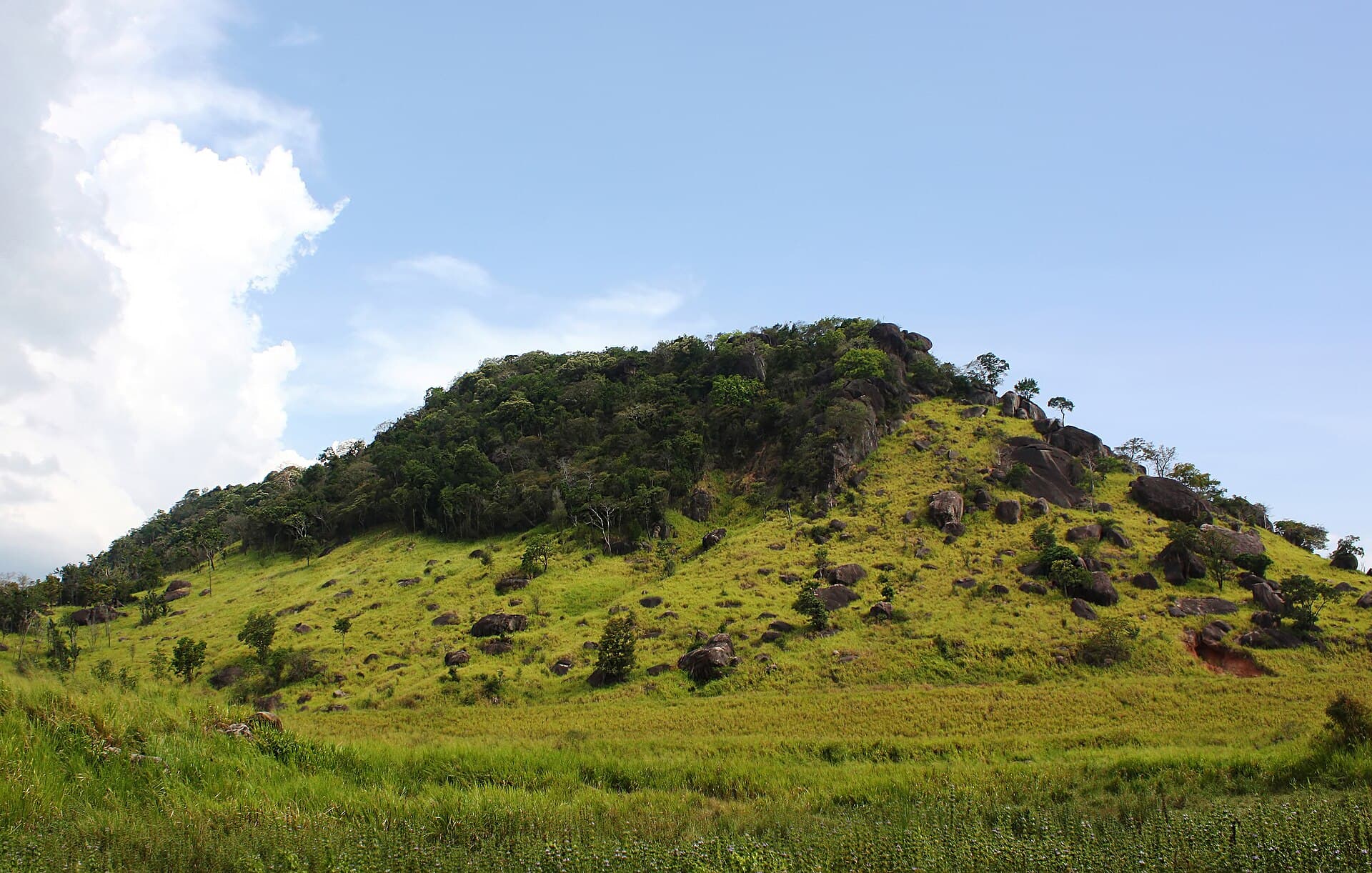
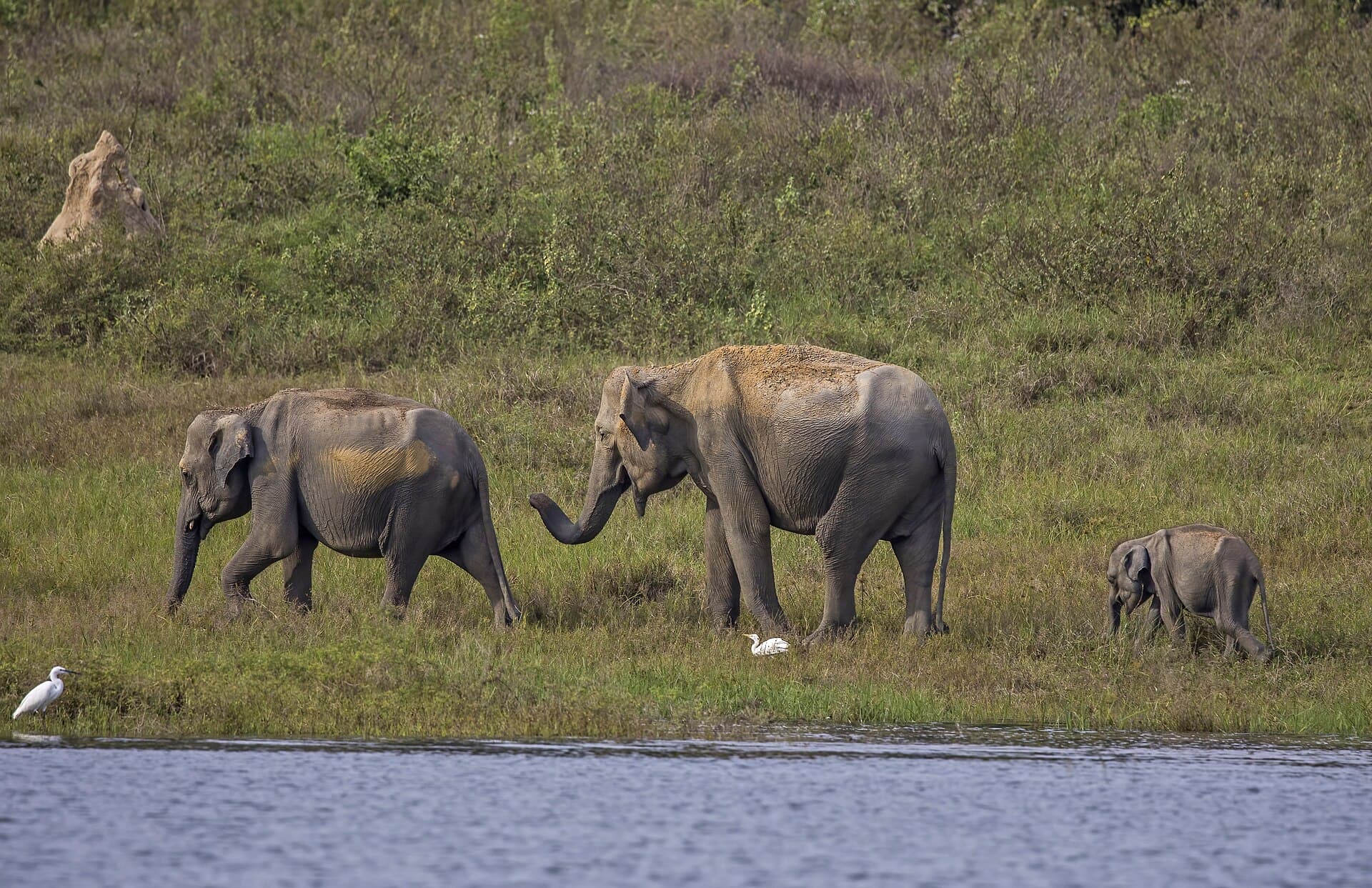
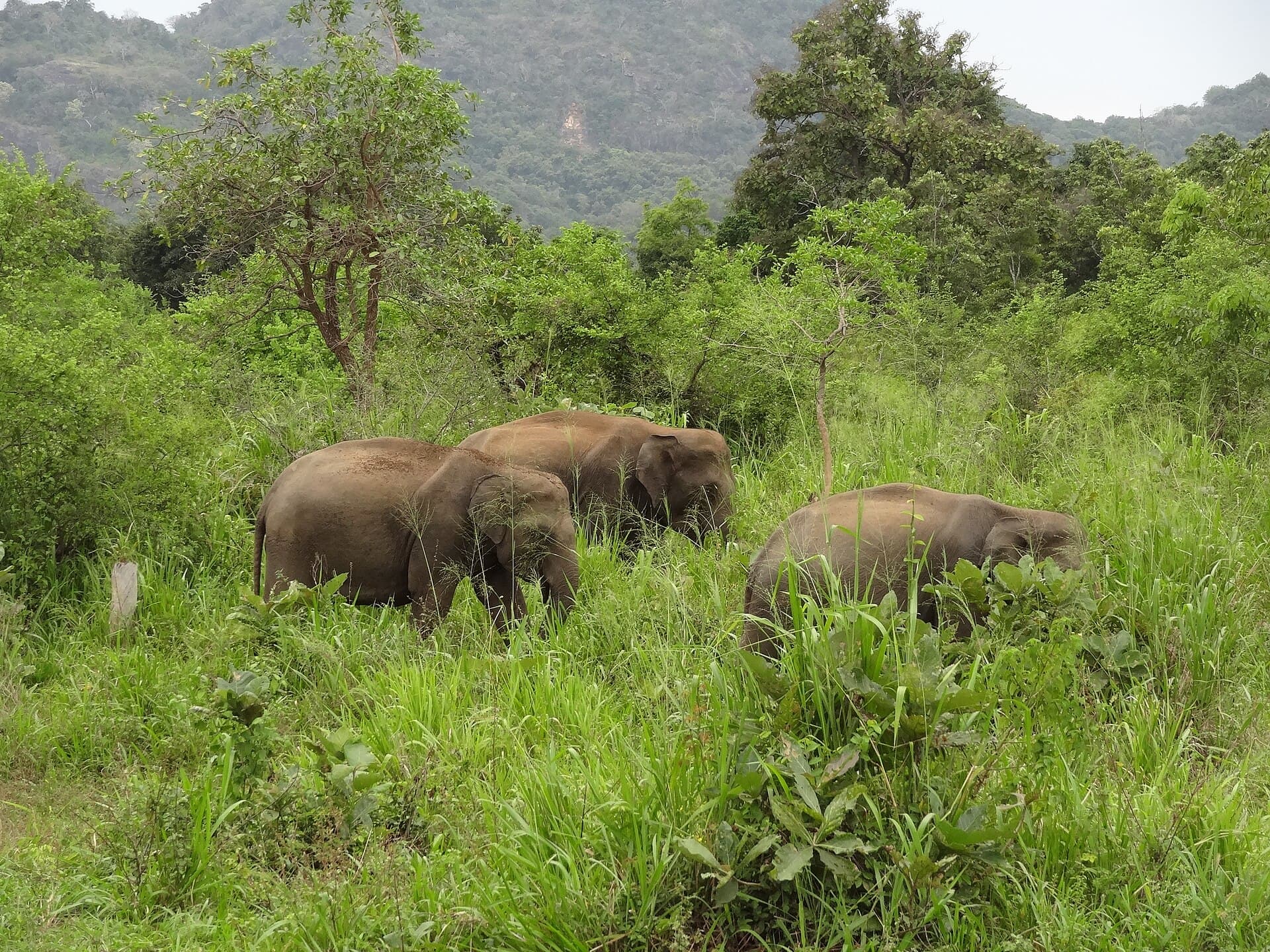
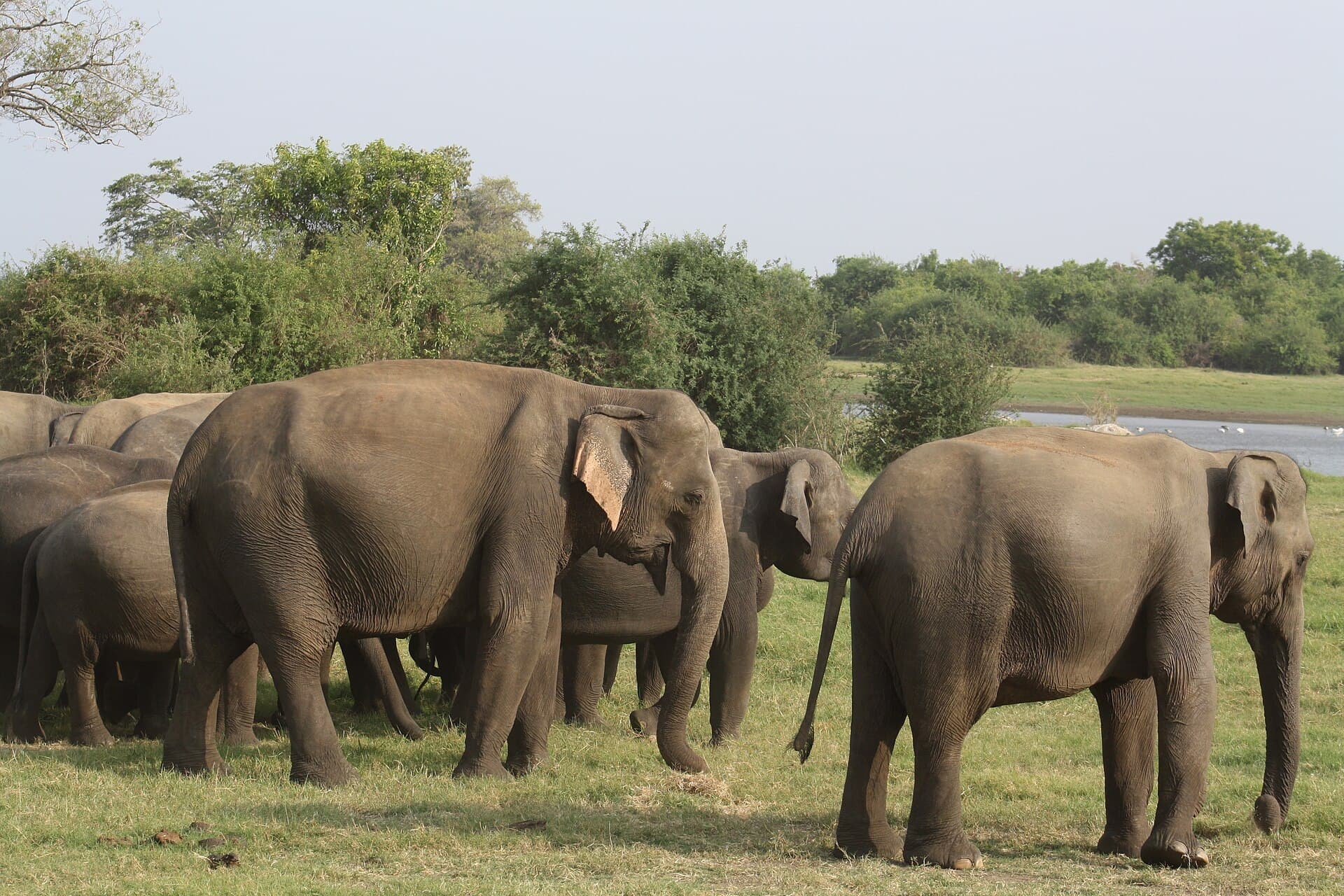
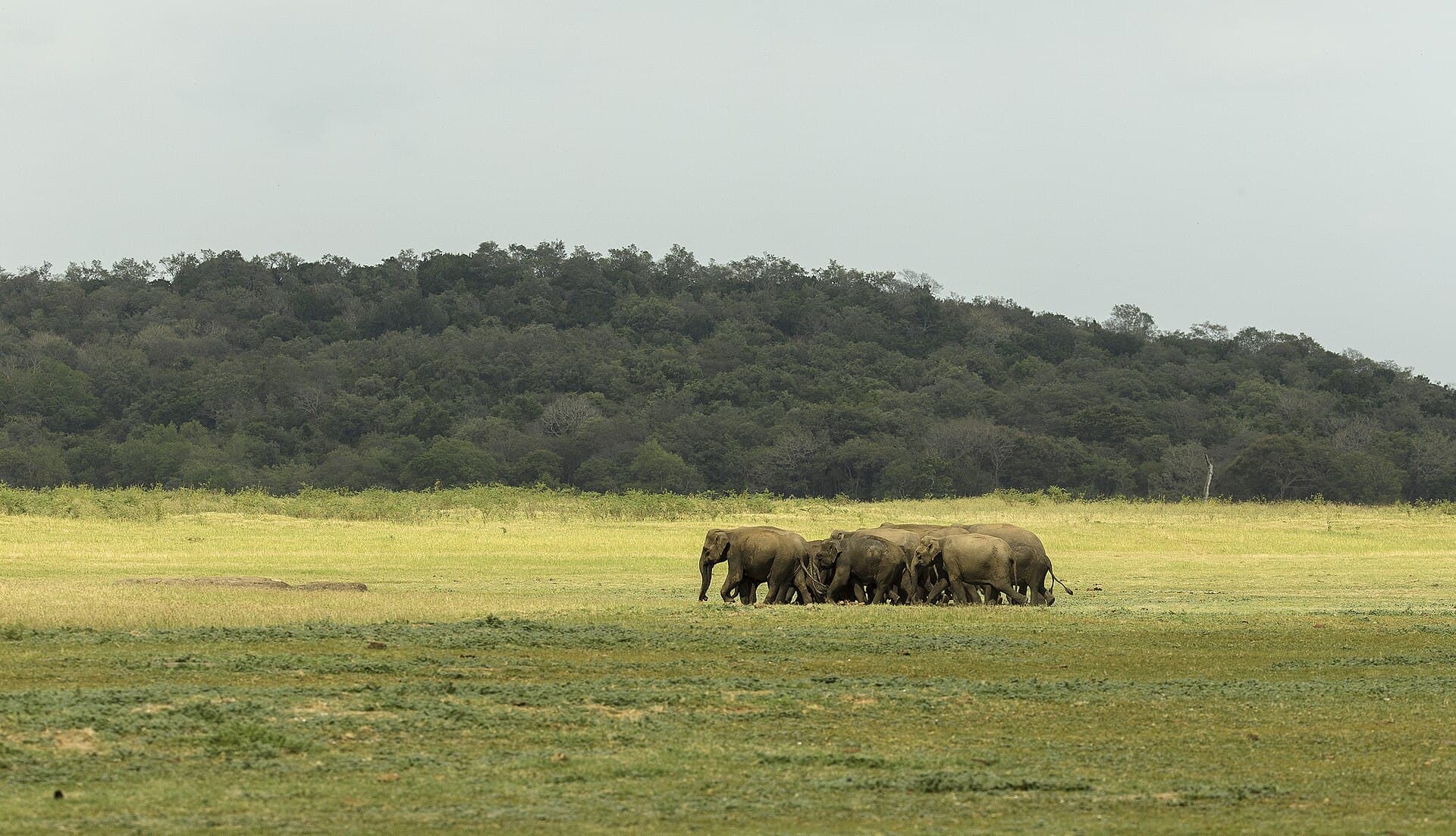
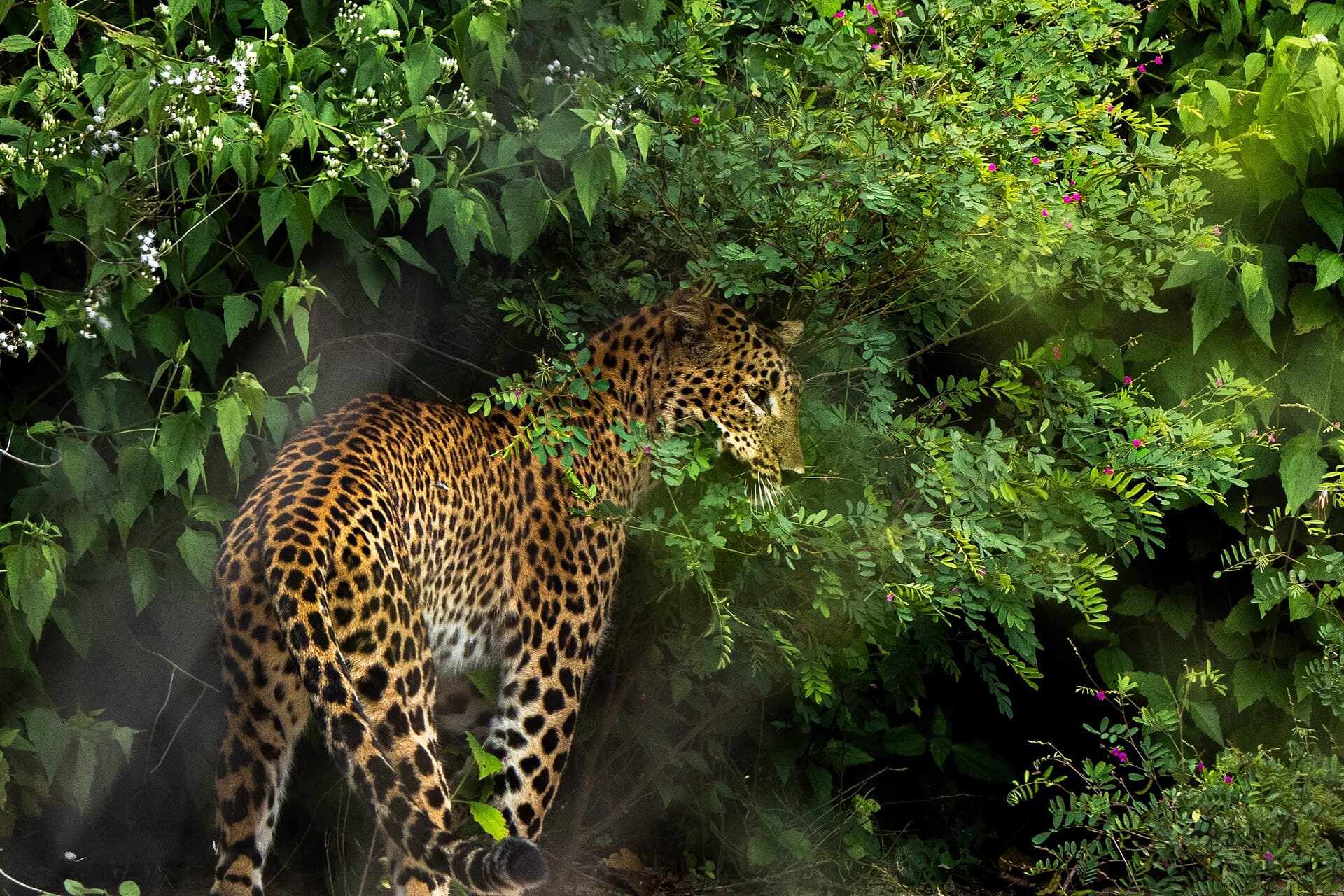
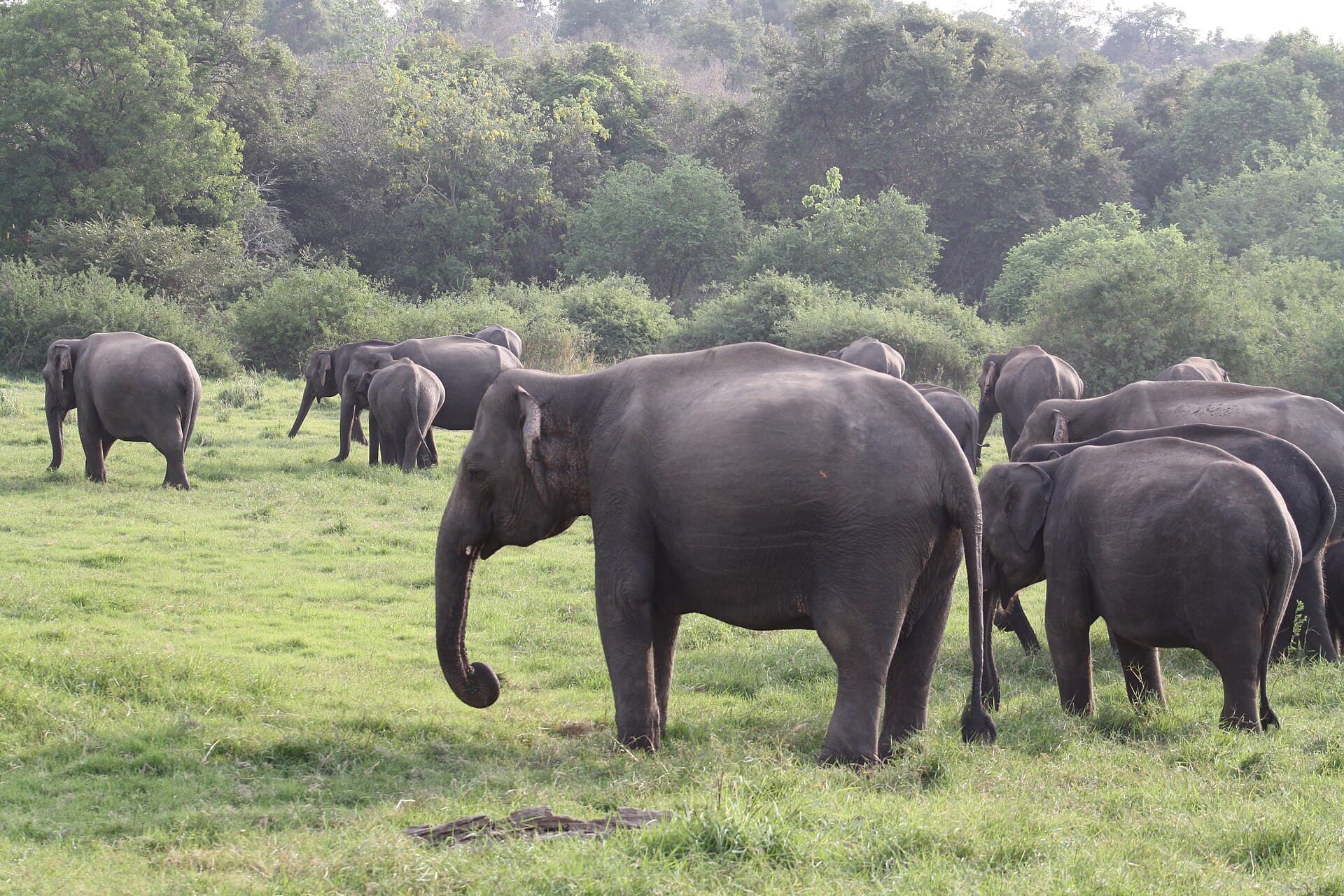
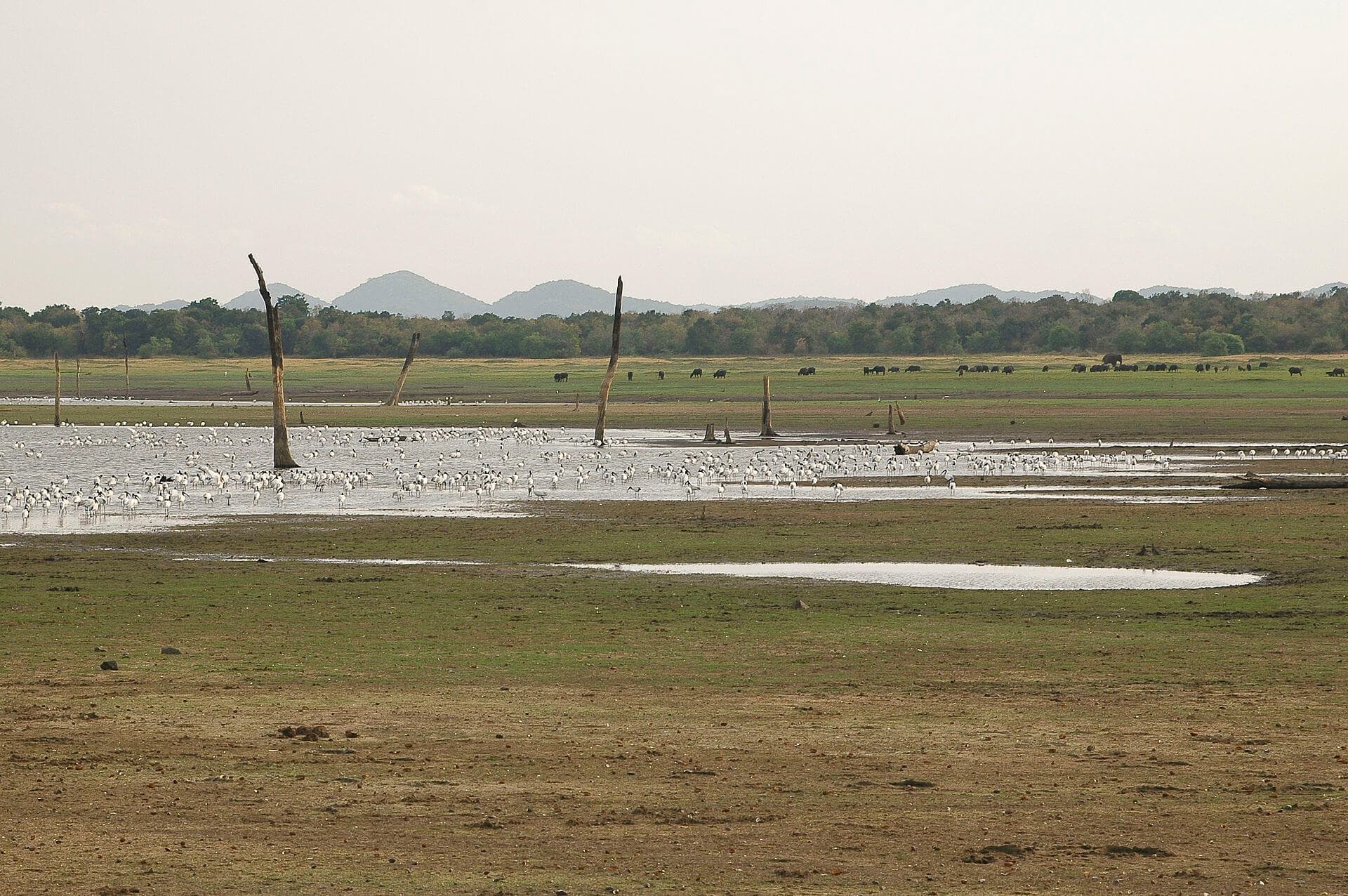
Safaris run in the standard two sessions, morning and afternoon, in open topped four wheel drive jeeps seating up to six with a driver guide. A session is typically three to four hours. The terrain is scrub forest and open grassland around a large reservoir, so the driving is a mix of easy track and rougher going, considerably gentler than Wilpattu's sand. Much of the productive time is spent at the water, where animals come to drink and where the birdlife concentrates. Morning gives the cooler air and the most movement. Afternoon puts good light across the reservoir and is the better session for photography, with the added benefit that the park is even quieter later in the day. Because the park sees so few vehicles, the character of the drive is different from the headline parks. Your driver is not working radio calls or positioning against other jeeps. They are covering ground, checking the water, and stopping where something is happening. That is a more natural way to spend a safari and it suits people who enjoy the looking as much as the finding. Set your expectations before you go. You may have a session where a herd moves through the open and it is superb. You may have a session of buffalo, deer, crocodiles and a long bird list. Both are normal here, and if only the first would count as a good day for you, book Udawalawe instead.
Lunugamvehera sits in the southern dry zone directly between Yala and Udawalawe, near Thanamalwila. That position makes it the easiest park in the country to add to an existing itinerary, because almost everyone doing both headline parks drives past it. Tissamaharama is roughly an hour away and is the usual base if you are also doing Yala. Thanamalwila is closer. If you are heading to Udawalawe, that park is around an hour in the other direction, so it is entirely practical to do a session here and continue. From Ella and the hill country the drive down is around two hours, which makes this a natural first stop on the way from the highlands to the south coast. Practical kit is the standard dry zone list of sunscreen, hat, sunglasses and plenty of water, plus a light layer for an early start. There is little shade around the reservoir. Binoculars are worth carrying, because with a bird list of well over a hundred and eighty species and a lot of open water, this is a park where a decent pair substantially changes what you come away with. A zoom lens in the 300mm range covers most situations. Book ahead in the dry season, though you will find availability easier here than at Yala. Ask for a driver who works this corridor rather than one who mostly runs Yala trips, because local knowledge of where the herds are this week is the whole game at Lunugamvehera.
*Note: Prices include service charges and VAT. Rates are subject to change.