National Park
Hurulu Eco Park
Hurulu is the third stop on the Cultural Triangle elephant rotation and the one that works when the tanks do not. It is a dry zone forest reserve with UNESCO biosphere status, and its season runs roug...
Hurulu is the third stop on the Cultural Triangle elephant rotation and the one that works when the tanks do not. It is a dry zone forest reserve with UNESCO biosphere status, and its season runs roug...
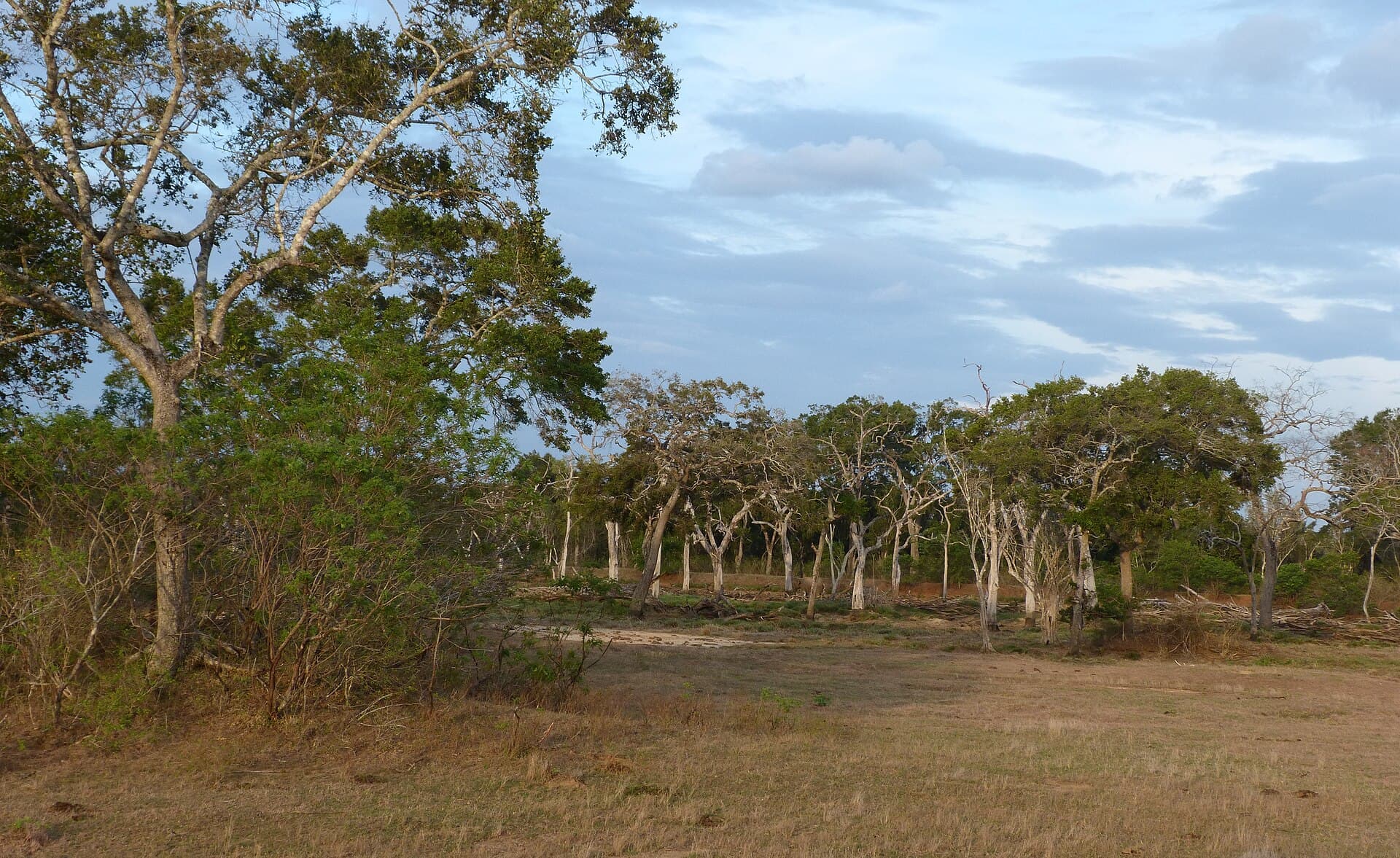
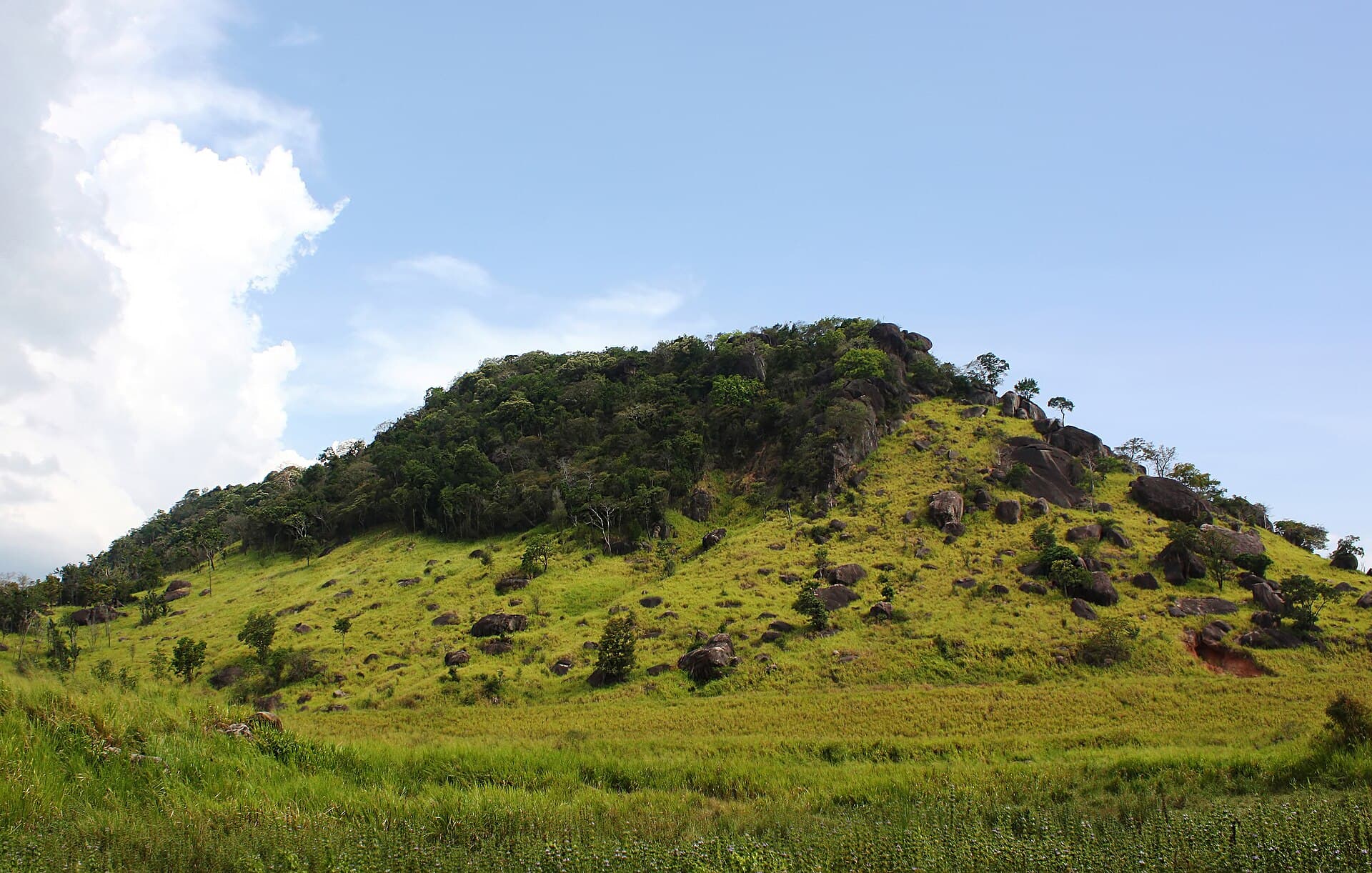
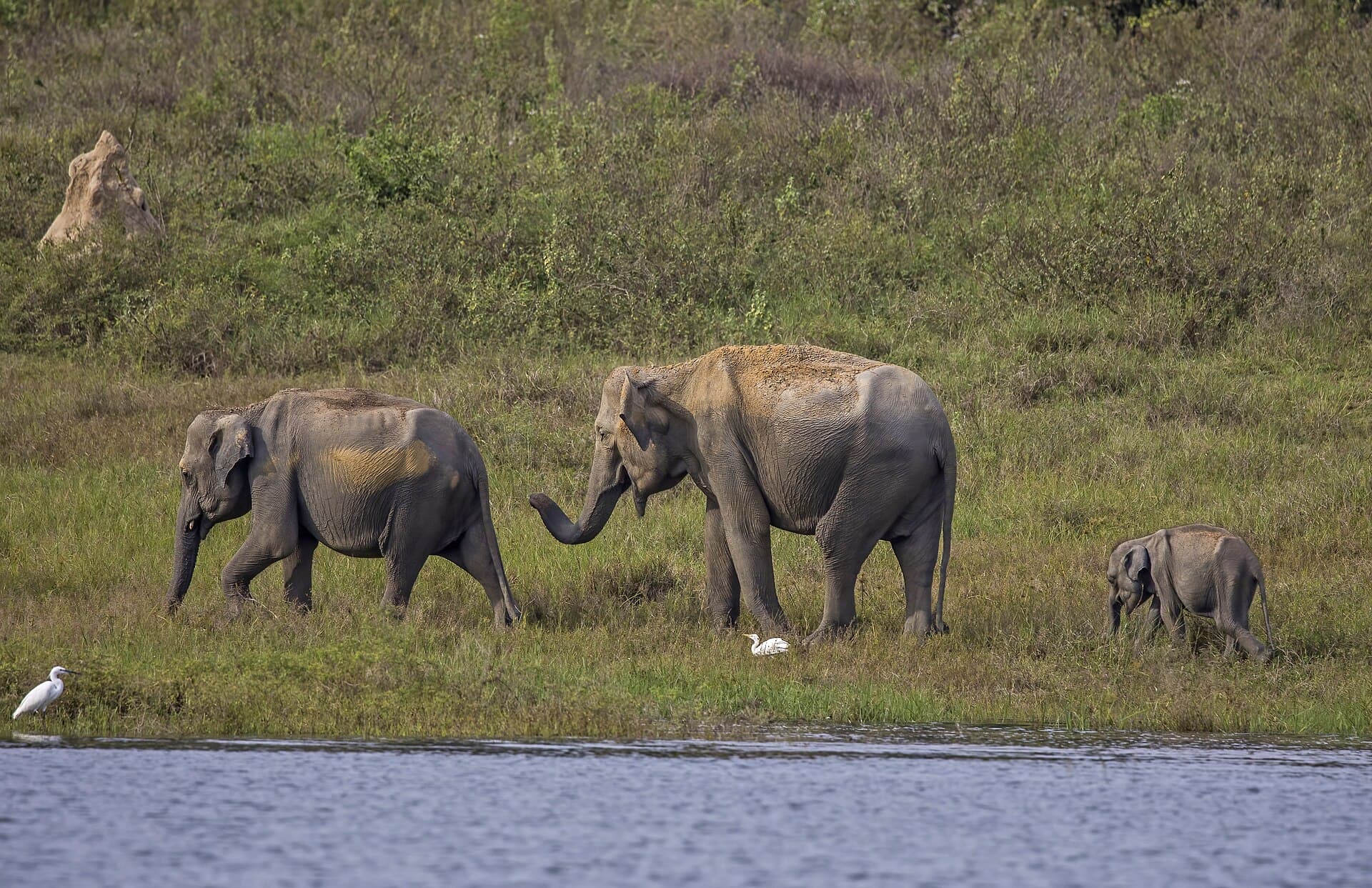
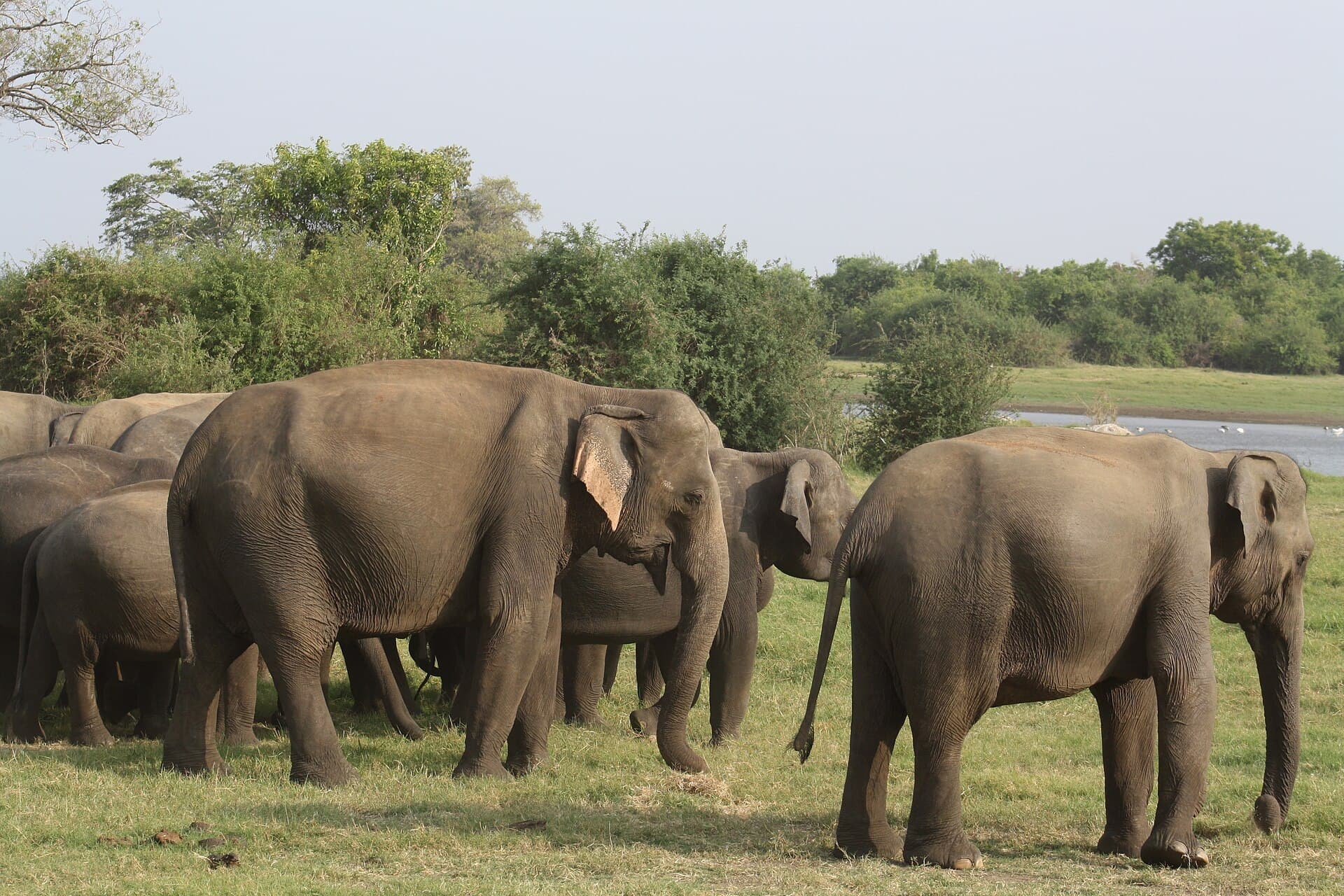
Hurulu Eco Park is a part of the Hurulu Biosphere Reserve and serves as a vital habitat for the Sri Lankan elephant.Wildlife Safari ExperienceA jeep safari tour here is often seasonal, as elephants move here when the nearby Minneriya and Kaudulla tanks are full. The safari jeep experience is adventurous, with winding trails through dense forest canopy.Wildlife HighlightsElephants are the primary draw, but the park is also home to Leopards, Rusty-spotted Cats, and Star Tortoises. It is a fantastic spot for seeing the Indian Roller bird.Landscape & EcosystemThe park is a mix of dry-zone evergreen forest and managed teak plantations, providing a varied habitat for wildlife.Best Time to VisitThe park is best visited from December to March when elephants migrate from the surrounding national parks.
Total Area
255 sq km
Established
2007
City
Habarana
Coordinates
8.1167000, 80.7833000
No jeeps available yet
Check back soon for safari jeeps at this destination.
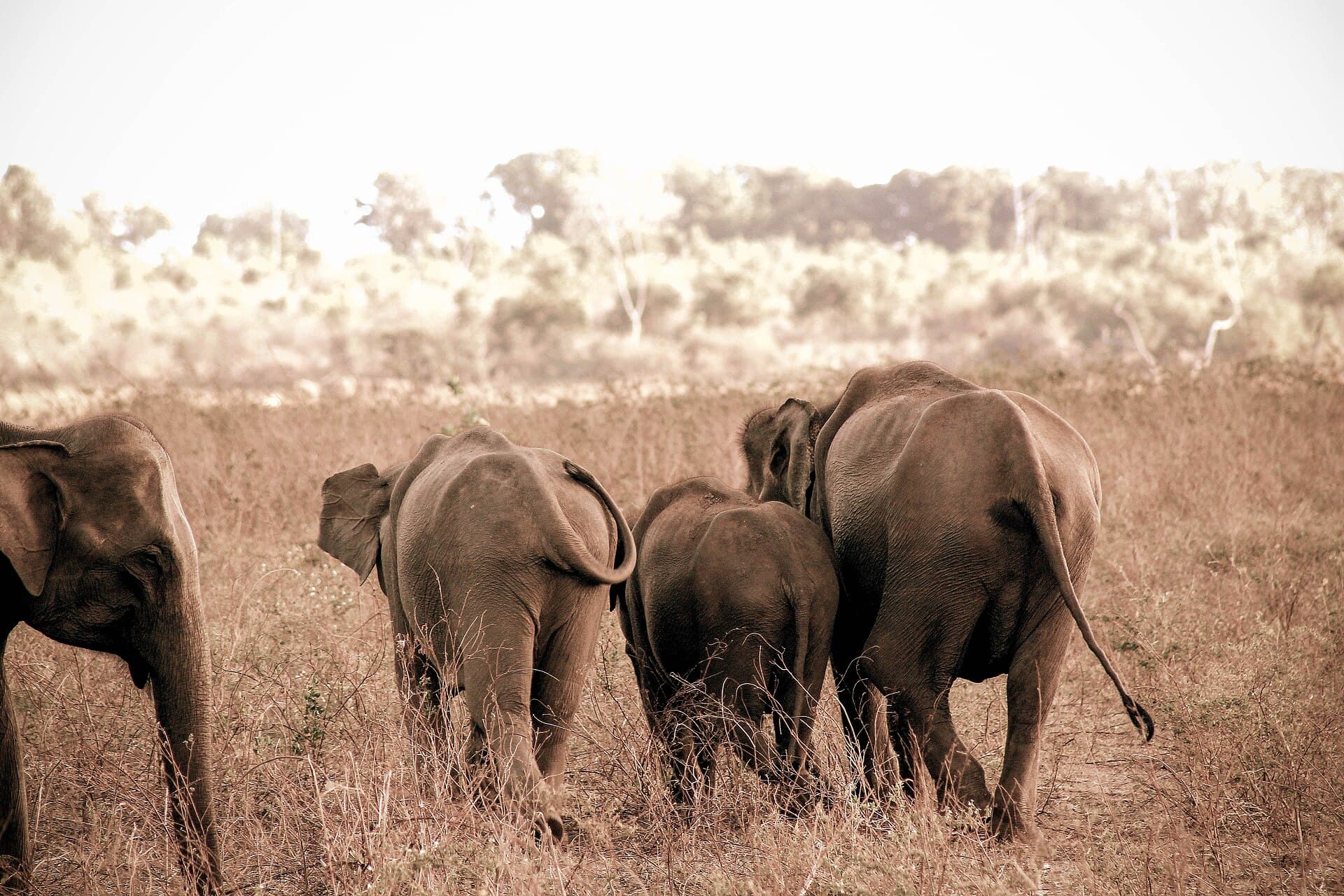
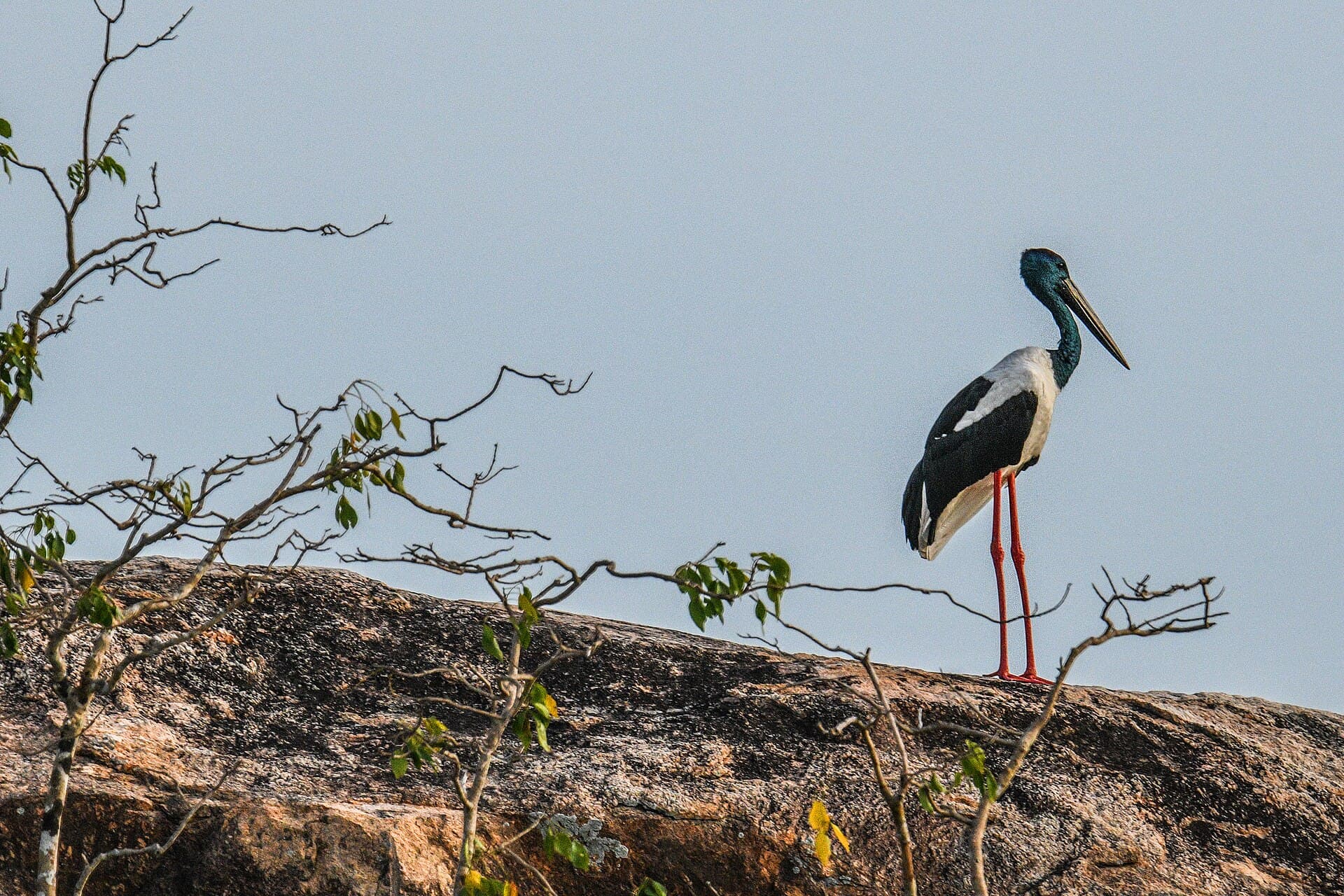
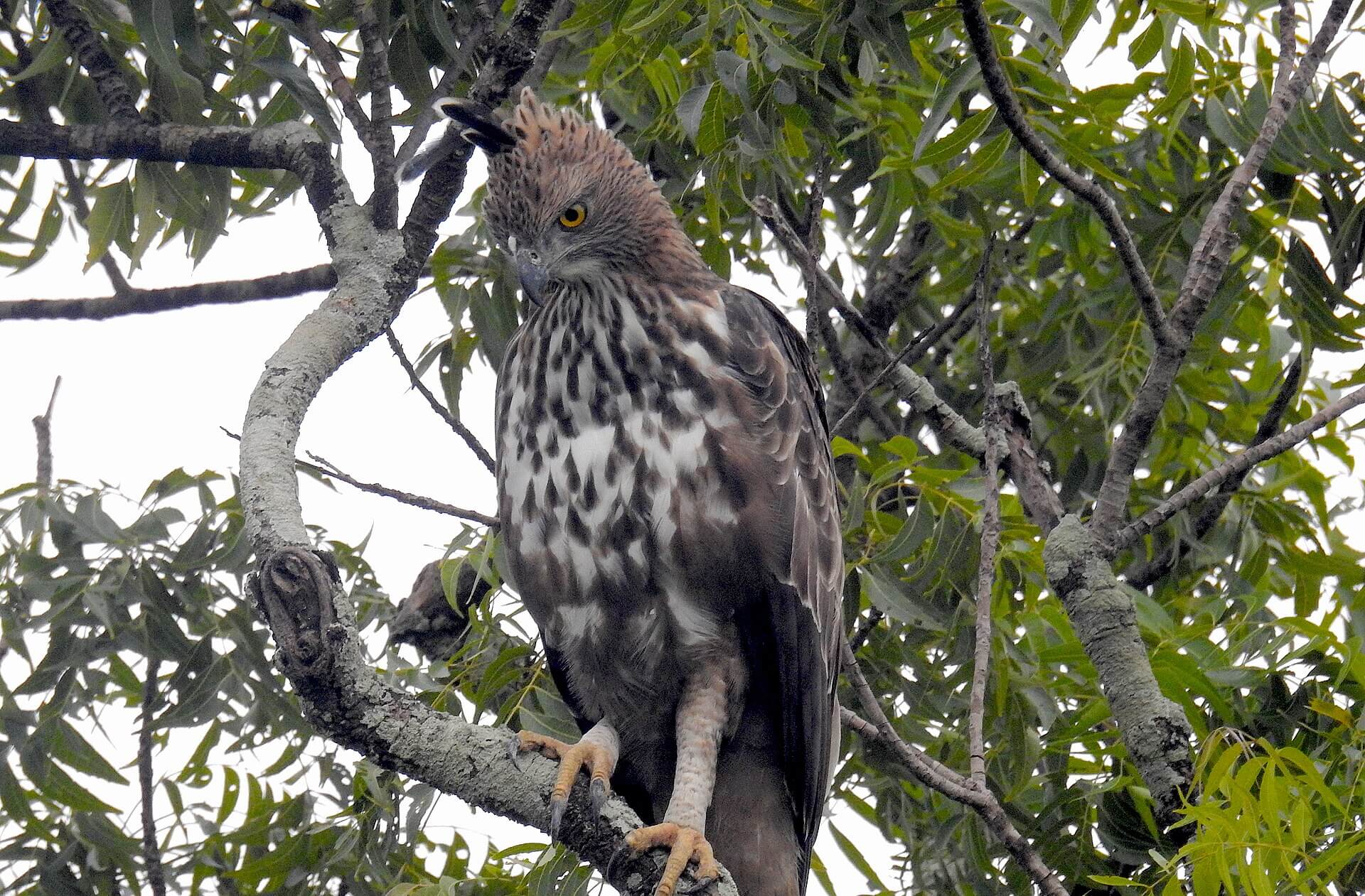
Hurulu is an elephant park, and the elephants here are the same animals that gather at Minneriya and Kaudulla earlier in the season. When the rains come and flood the open plains at the two tanks, the herds move into this dry evergreen forest for shelter and grazing, which is why Hurulu holds its numbers in months when the more famous parks have emptied out. Seeing elephants here feels different. Rather than a wide open tank bed with herds spread across it, you are working through scrub and tall forest, finding groups tucked into shade among palu and weera trees. Sightings tend to be closer and more intimate, and the sense of searching rather than arriving at a spectacle is much stronger. The park is part of the Hurulu Forest Reserve, designated a UNESCO biosphere reserve in 1977, and the habitat is dry evergreen forest with patches of golden grassland rather than the open plains of its neighbours. Alongside elephants you will see spotted deer, sambar, wild boar, grey langur and toque macaque. Leopards and sloth bears exist here but sightings are rare. Birds are good through the forest and scrub, with peafowl common, and raptors including changeable hawk eagles working the canopy edges. The species mix leans more toward forest birds than the waterbirds you get at the tanks.
Hurulu is the plan B of the Cultural Triangle, and that is meant as a compliment rather than a slight. The elephants in this region circuit between three protected areas following water and grazing. They gather at Minneriya from roughly July to September, move to Kaudulla around October to November, and come to Hurulu about December to January. When the monsoon floods the open plains at the two tanks, this dry forest is where the herds go. That makes Hurulu the correct booking in exactly the months when most visitors assume elephant viewing in this region is over. If you are travelling through the Cultural Triangle after the rains have arrived and someone tells you the gathering has finished, they are half right. The gathering as a spectacle on an open tank bed has finished. The elephants have not gone anywhere. Outside its window Hurulu is a quieter park with fewer animals, and Minneriya or Kaudulla will serve you better. As with the other two, do not lock yourself to a park name months in advance. The rains do not run to a schedule and the dates shift every year. Book the jeep and a driver who works all three gates, then decide in the last day or two. A driver who tells you the herds are at Kaudulla this week rather than simply taking your Hurulu booking is the one worth having.
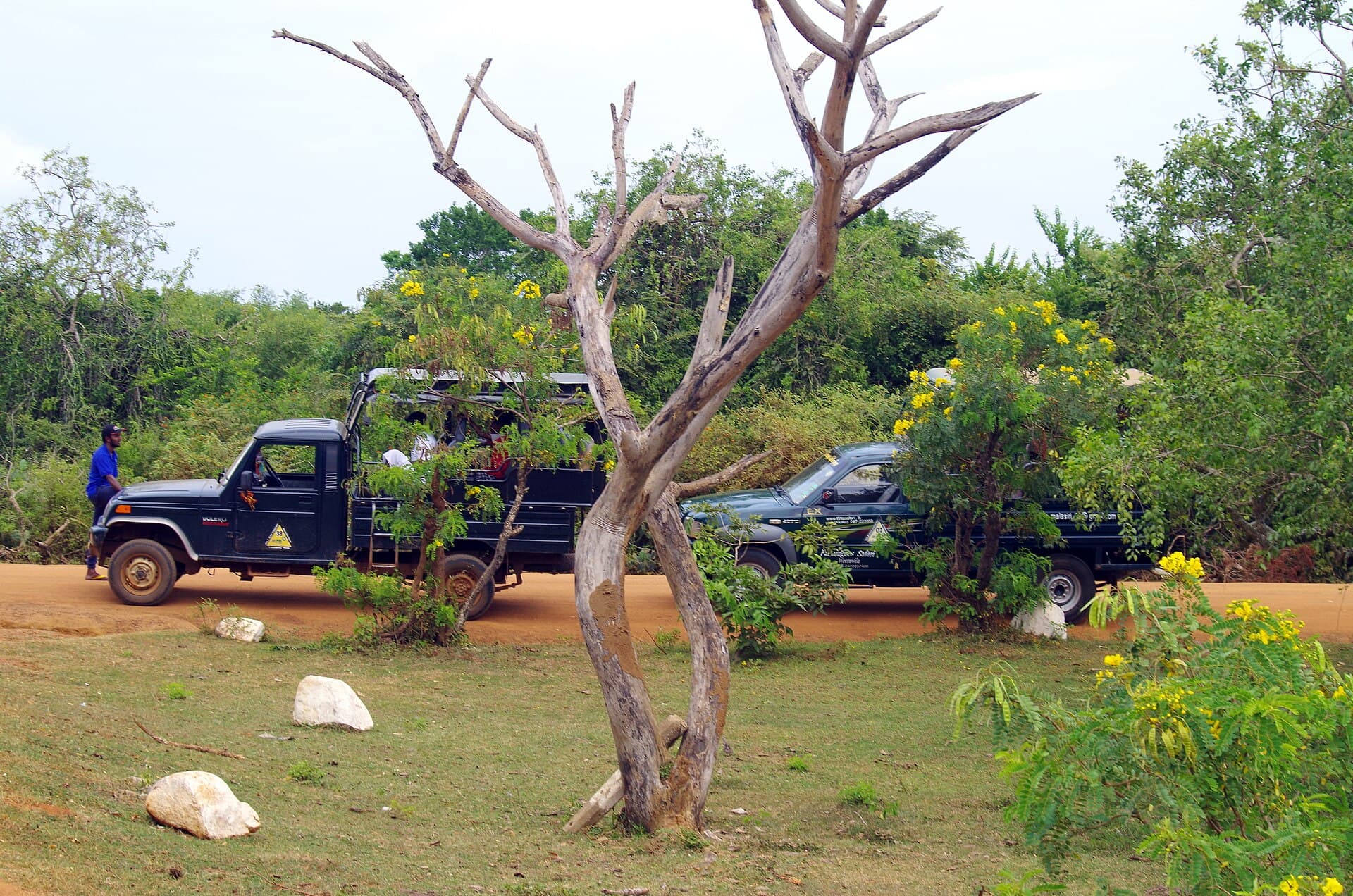
The character of a Hurulu safari is genuinely different from its neighbours and it is worth knowing before you book. At Minneriya and Kaudulla the drive builds to a moment where the track opens onto a tank and you see the herds laid out in front of you. Hurulu has no equivalent. Instead the jeep winds through thick scrub and under tall forest canopy on rougher track, and elephants appear at closer range with much less warning, often in shade, often in smaller groups. Some visitors prefer this considerably. It feels like searching rather than sightseeing, the encounters are more intimate, and there is a sense of discovery that an open plain does not give you. Others find it frustrating because you cannot scan ahead and see what is out there. Practically, the closer range means distance discipline matters more. An elephant that appears at fifteen metres through scrub is a different proposition from one across two hundred metres of grass. Expect your driver to back off, keep the engine ready and give the animal room. If a driver pushes in for a photograph in thick cover, that is a bad driver. Sessions run morning and afternoon, typically three to four hours, in open topped four wheel drive jeeps seating up to six with a driver guide. The tracks here are rougher than the tank parks, so expect a bumpier ride.
Compare parks before you book. Each one suits a different trip.
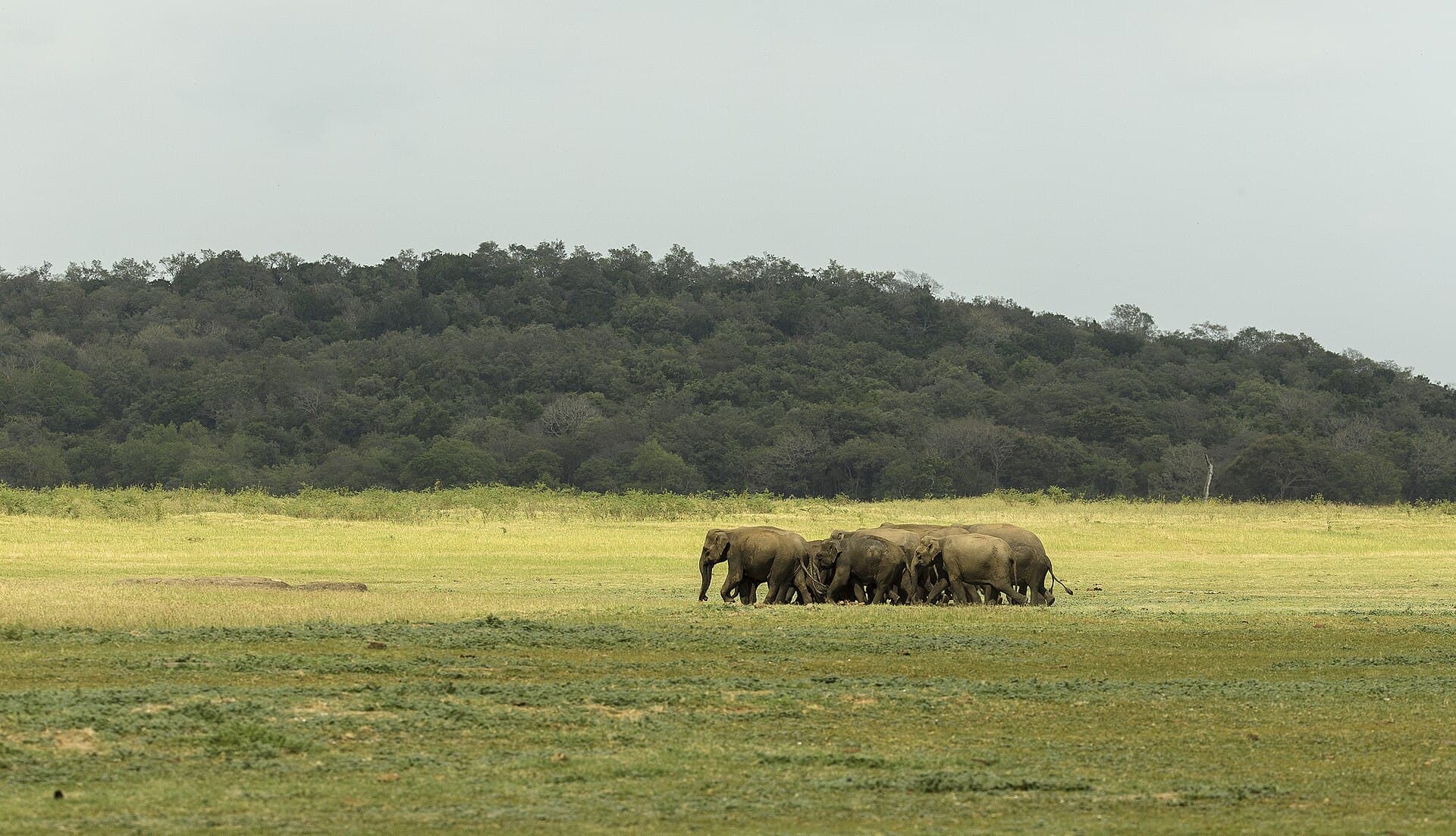
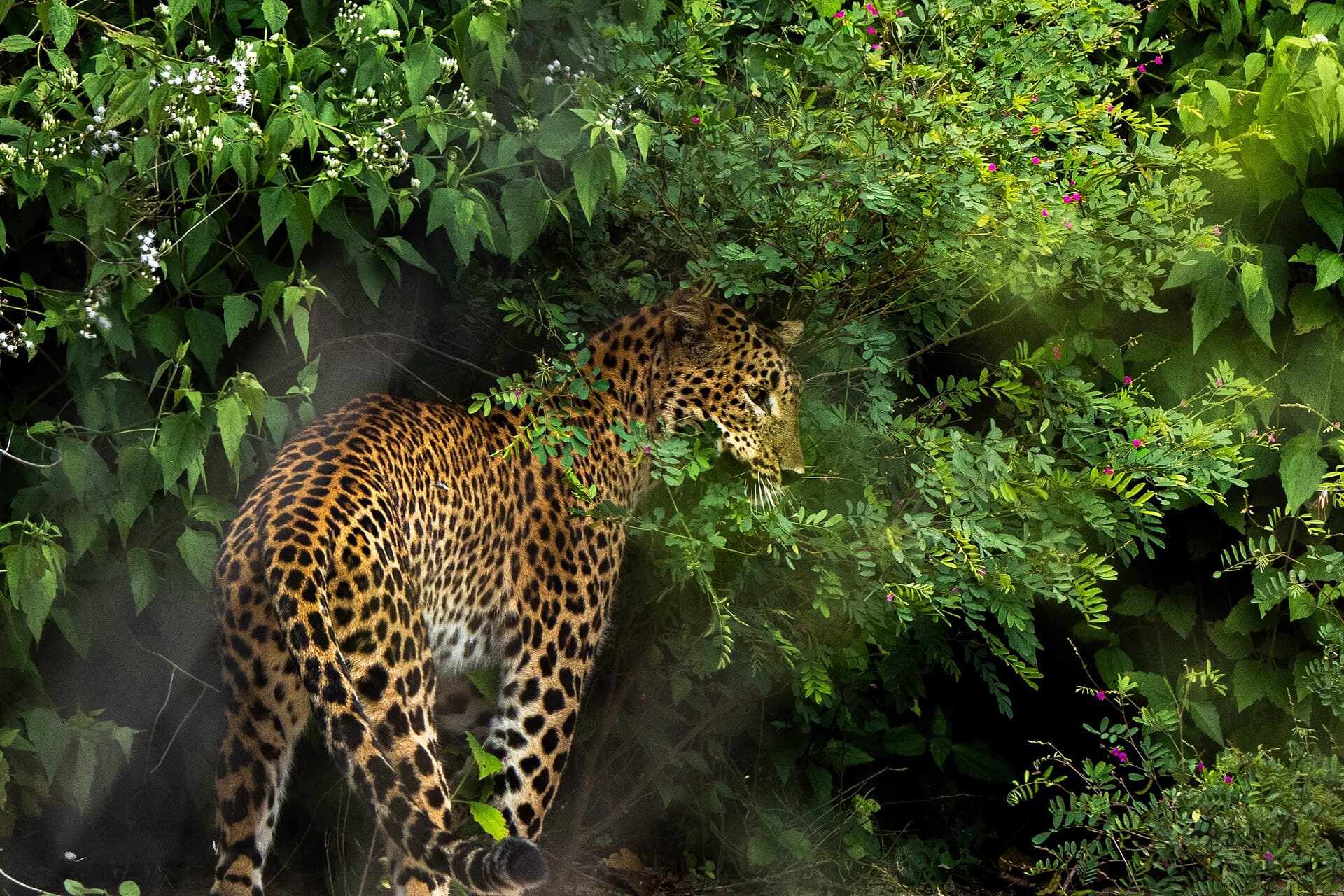
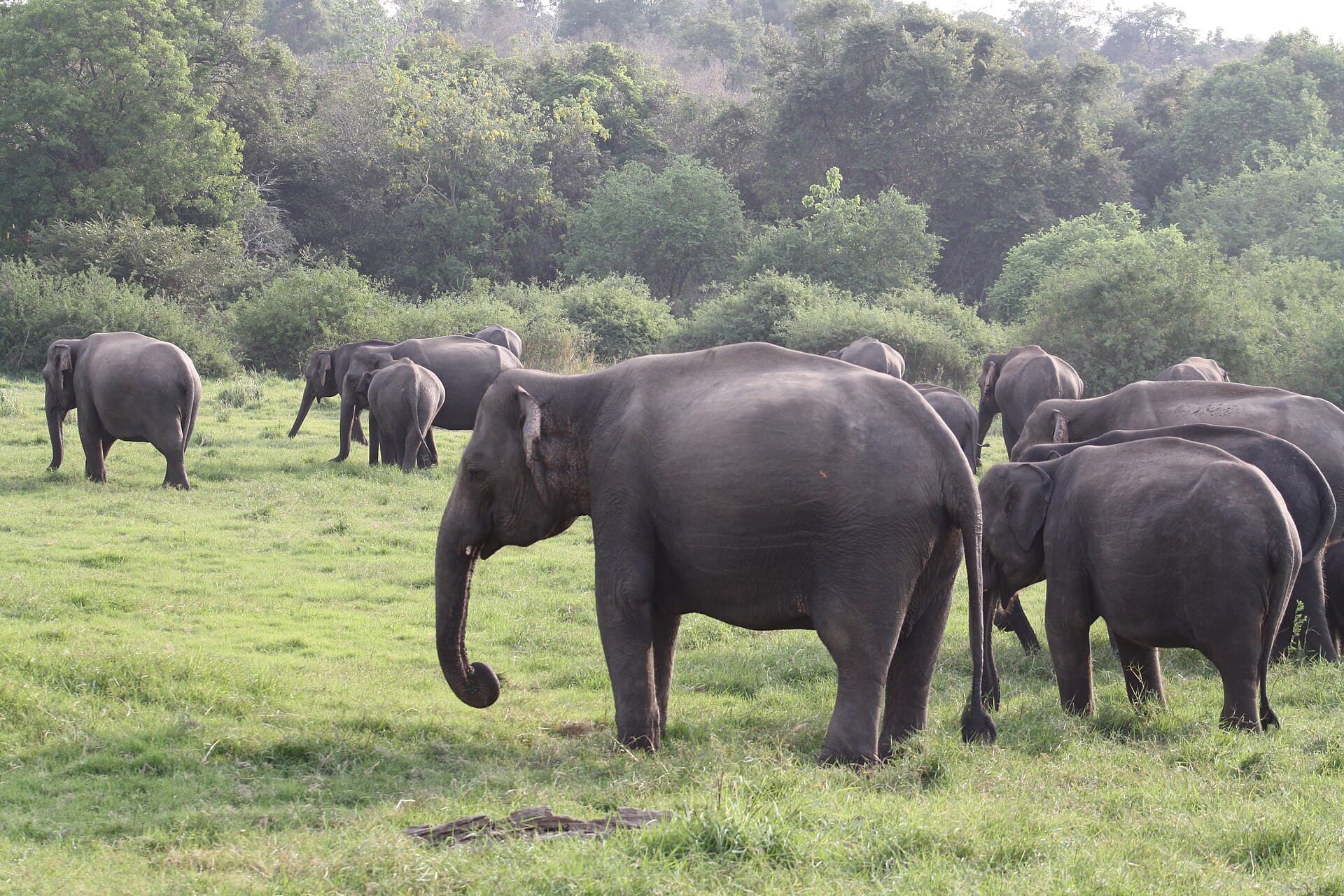
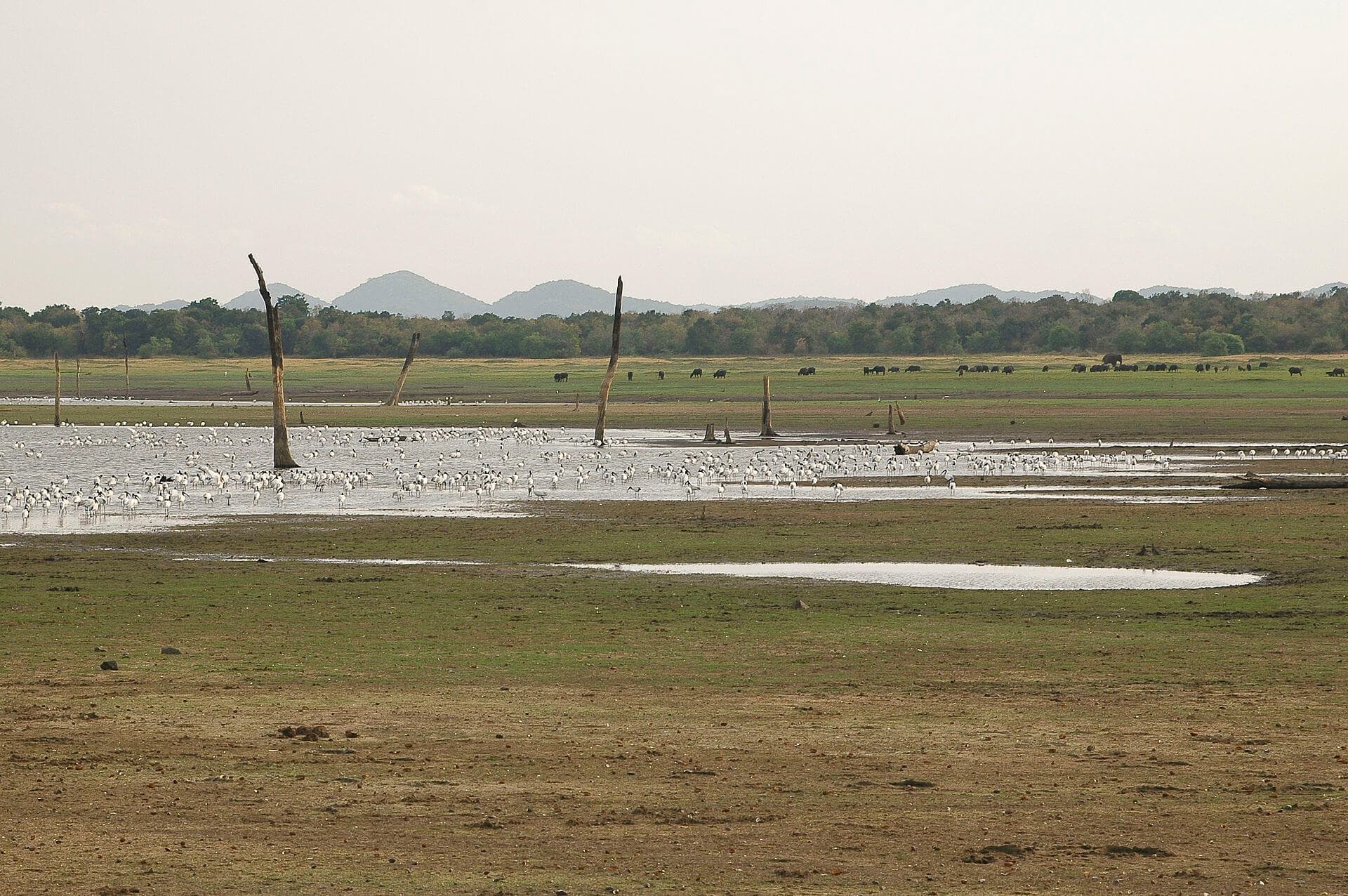
Hurulu Eco Park sits within the Hurulu Forest Reserve, which was designated a UNESCO biosphere reserve in 1977. That designation recognises the dry evergreen forest here as a habitat worth protecting in its own right, not simply as a backdrop for elephants. For visitors this mostly translates into a different feel. The park is managed with conservation weighted more heavily than visitor throughput, it is smaller than its neighbours, and it does not carry the vehicle numbers that Minneriya does at peak. You are unlikely to find yourself in a queue. It also means the forest itself is worth paying attention to. Dry evergreen forest of this type has become scarce across the dry zone, and the mix of palu, weera and other dry zone species supports a bird and small mammal community you will not see on an open tank bed. If your driver stops for something that is not an elephant, that is a good sign. The practical etiquette is the ordinary set. Stay in the vehicle, keep noise down, do not feed anything, take your litter out with you, and accept your driver's judgement on how close is close enough. In a smaller reserve with denser cover these things matter more than they do in a large open park. The reward for a park that is managed this way is that it still holds animals reliably in months when the showier parks nearby have gone quiet.
Hurulu sits close to Habarana in the north central dry zone, alongside Minneriya and Kaudulla, which makes the logistics straightforward and flexible. Habarana is the obvious base. It is the practical hub for all three parks and sits roughly in the middle of them, which matters when you are keeping your options open on which gate to use. Sigiriya and Dambulla are both close, and Polonnaruwa is within a comfortable drive. The standard pairing is a Cultural Triangle sightseeing morning and a safari in the afternoon. Sigiriya rock is best climbed early before the heat and the crowds, and an afternoon jeep session fits neatly after it. Dambulla cave temple works the same way. Polonnaruwa takes longer and is better given its own morning. From Colombo it is around four to five hours by road, from Kandy roughly three. Nothing about visiting Hurulu requires a dedicated trip. Bring sunscreen, a hat, sunglasses and water. Although there is more shade here than at the tank parks, the middle of the day is still hot and the open jeep offers no protection. A light layer is useful for an early start or a drive back after dark. For photography, the forest setting means lower light and closer subjects than the tank parks, so a lens that performs at wider apertures earns its place more than extreme reach does. Something around 70mm to 200mm handles most of what you will encounter.
*Note: Prices include service charges and VAT. Rates are subject to change.