National Park
Kumana National Park
Kumana sits on the east coast next to Yala and is one of the great bird sanctuaries in Sri Lanka, built around a mangrove swamp where thousands of waterbirds nest. It also holds leopards, and it sees ...
Kumana sits on the east coast next to Yala and is one of the great bird sanctuaries in Sri Lanka, built around a mangrove swamp where thousands of waterbirds nest. It also holds leopards, and it sees ...
Formerly known as Yala East, Kumana is adjacent to Yala and offers a more bird-centric wildlife safari experience in a serene, remote environment.Wildlife Safari ExperienceA jeep safari tour in Kumana takes you through some of the most beautiful mangrove forests in the country. It is a quiet alternative to Yala, where the focus is as much on the feathered inhabitants as it is on the mammals.Wildlife HighlightsThe Kumana Villu is a 200-hectare mangrove swamp where countless birds nest. You will see Black-necked Storks, Pelicans, and Herons. Despite its birding fame, Leopards and Elephants are also frequently spotted.Landscape & EcosystemThe landscape is a mix of semi-arid thorn scrub, dry evergreen forests, and extensive wetlands and mangroves.Best Time to VisitThe nesting season from April to July is the peak time for bird enthusiasts.
Total Area
181 sq km
Established
1970
City
Arugam Bay
Coordinates
6.5167000, 81.6667000
Dry zone tropical climate with hot temperatures throughout the year.
Kumana is known first for birds. The centrepiece is the Kumana villu, a mangrove swamp that becomes a breeding ground for thousands of waterbirds through the nesting season. Painted storks, herons, egrets, spoonbills, open bills and pelicans nest here in dense colonies, and the rare black necked stork is among the species that draw birdwatchers specifically to this park. The park is also a leopard stronghold and has been gaining a reputation as one. Kumana shares a boundary with Yala and the same population moves across it, but with far fewer vehicles the animals here are much less habituated. Sightings are less frequent than Yala and considerably more rewarding when they happen. Elephants are present and usually seen in small groups rather than large herds. Spotted deer, sambar, wild boar, golden jackal and wild buffalo are all regular, and mugger crocodiles hold the lagoons and waterways in good numbers. The habitat mix is what makes the species list so long. Dry zone scrub, monsoon forest, lagoons, mangroves, rocky outcrops and seasonal villus sit within a short drive of each other, so a single session moves through several quite different environments. Bring binoculars. More than almost any other park in the country, Kumana rewards someone who is willing to sit at the edge of the villu and actually look.
If birds are why you are coming, the timing is not flexible. The nesting season runs from around April to July, and this is when the Kumana villu turns into a breeding colony of thousands of waterbirds. May and June are generally regarded as the two best months, and that is when photographers plan their trips. Outside that window the park is still good, particularly for the migrants that arrive later in the year, but you will not see the spectacle that Kumana is famous for. The colony is the thing, and it is seasonal. For leopards and general wildlife the dry months give the more reliable viewing, as animals concentrate on the remaining water and the scrub thins out. The two priorities overlap reasonably well, so a visit in the nesting window usually delivers on both fronts. Morning and afternoon sessions both run. Morning is the stronger choice during nesting, because colony activity is at its peak in the early hours and the light is better for photographing birds against water. Afternoon drives are quieter and good for mammals coming down to drink. A full day is worth considering here. The park is large, the drive out from Panama is already significant, and having the time to reach the villu and then wait properly rather than looking and moving on is what separates a good Kumana day from an average one.
Compare parks before you book. Each one suits a different trip.
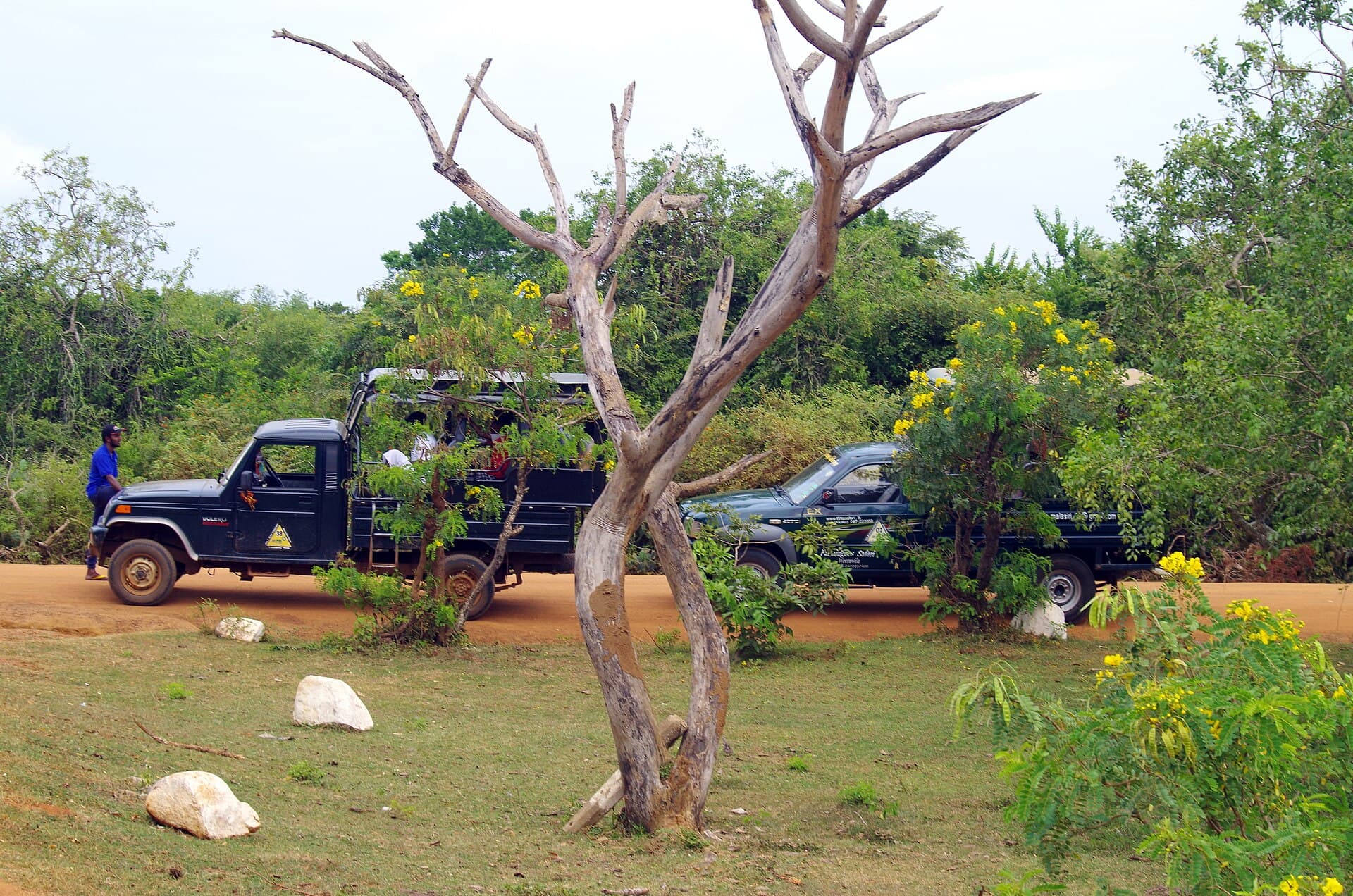
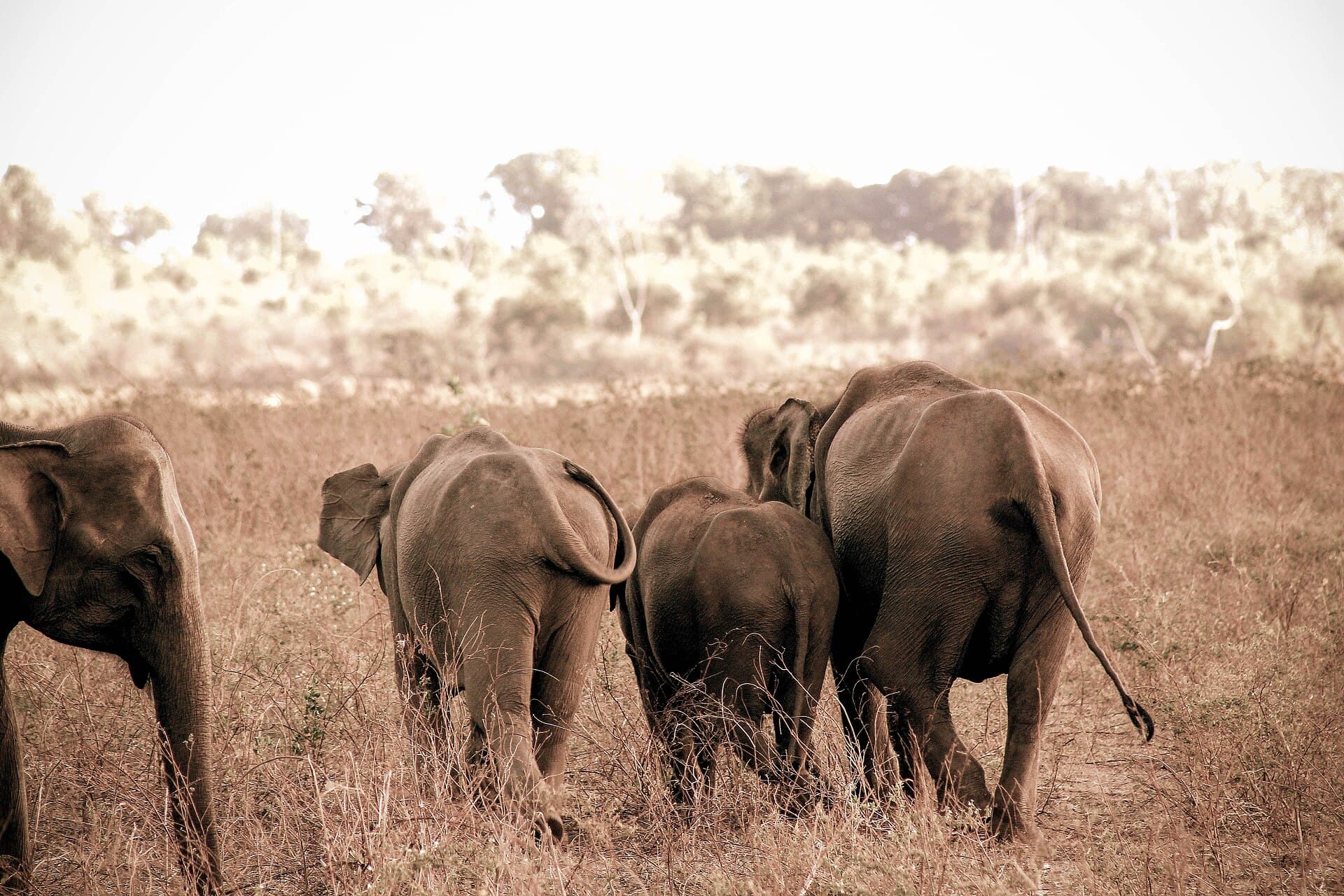
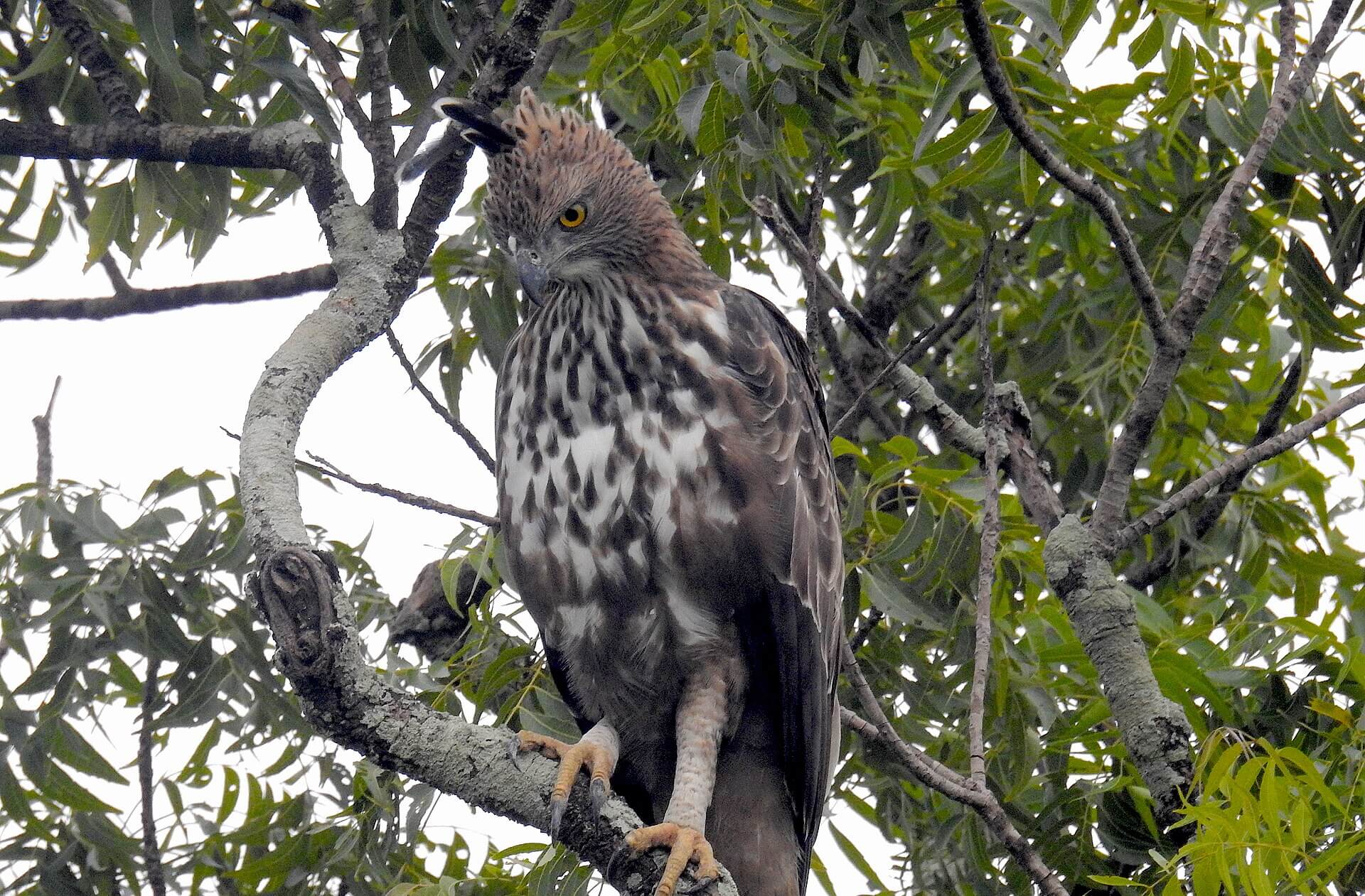
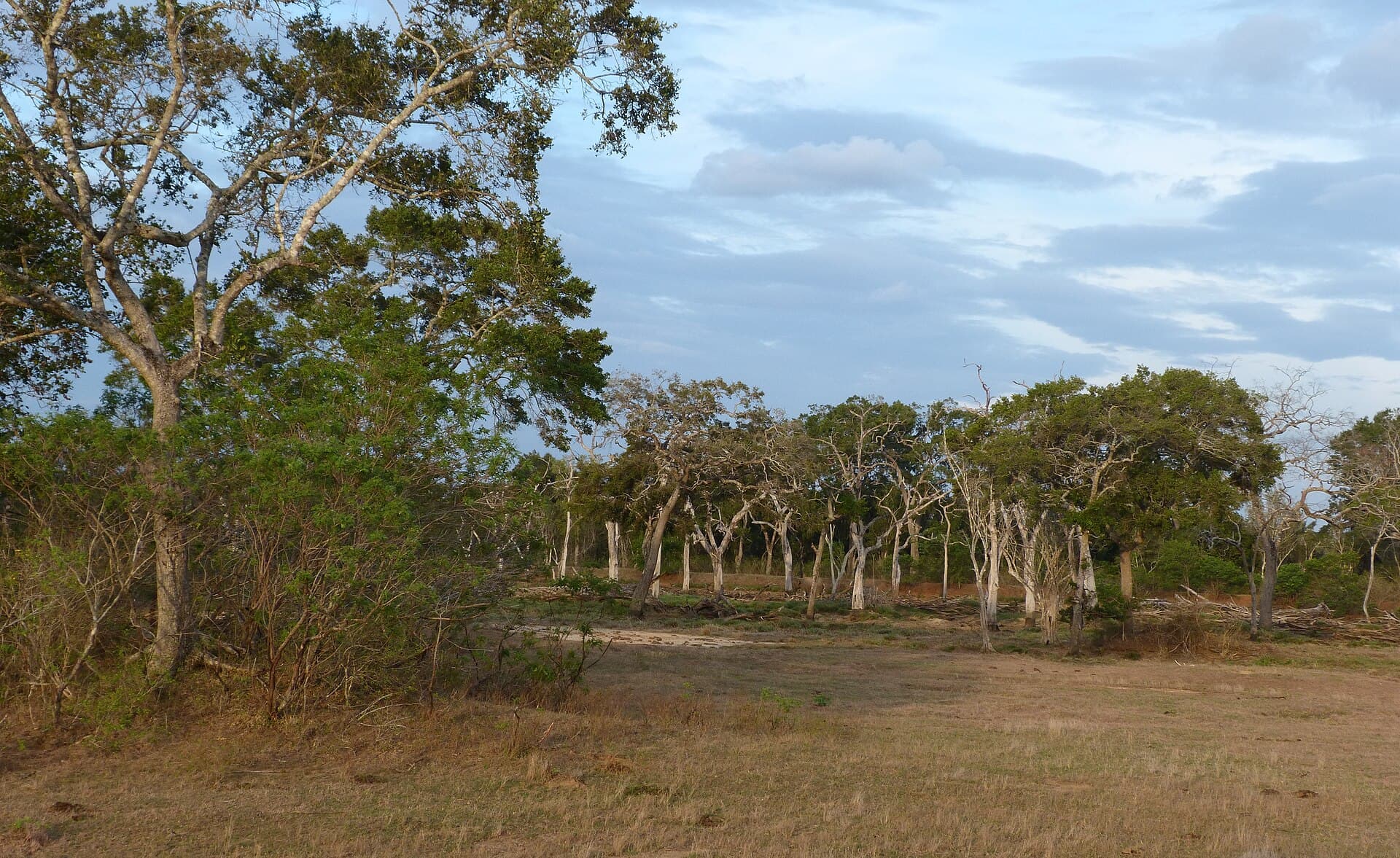
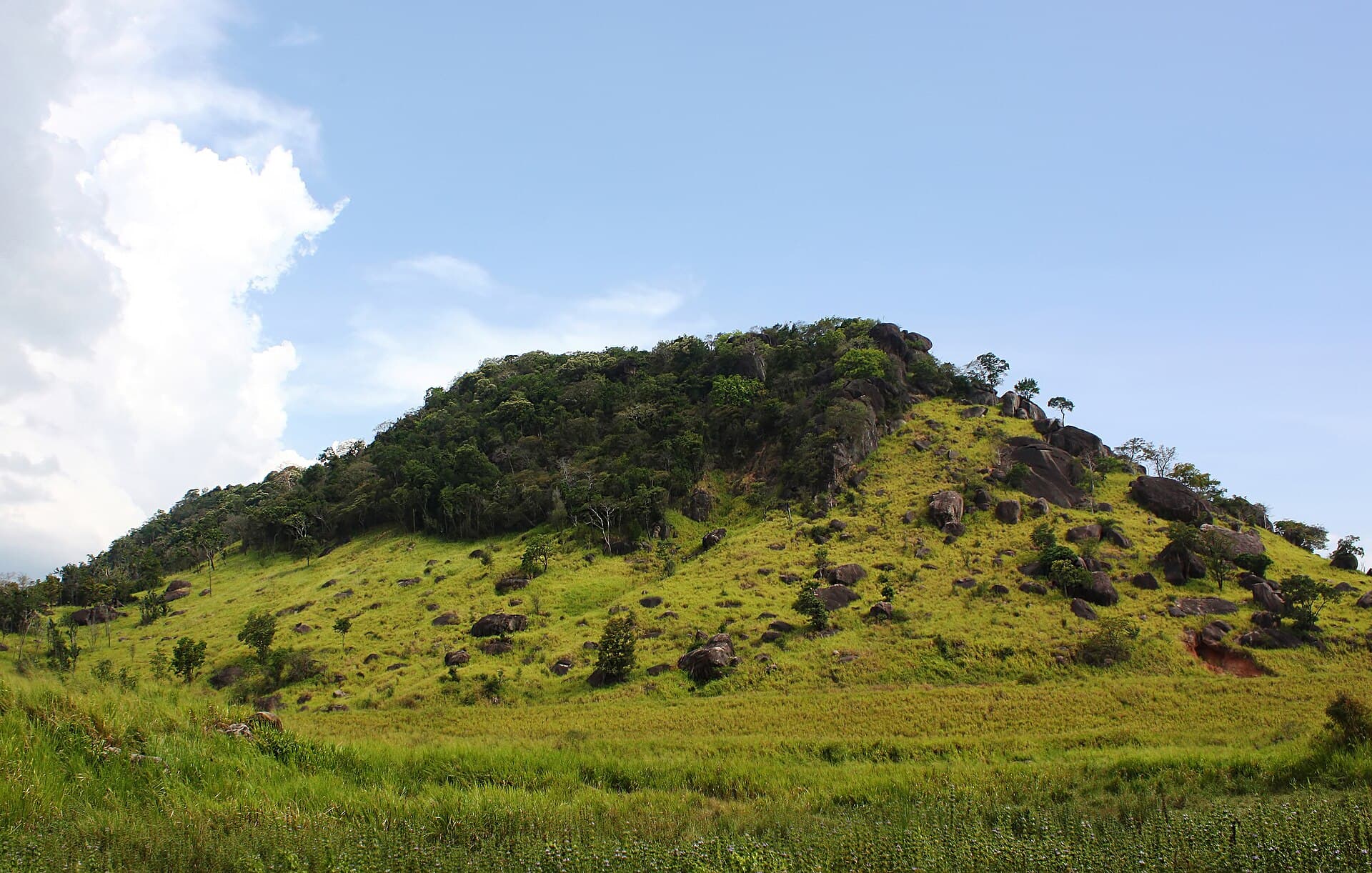
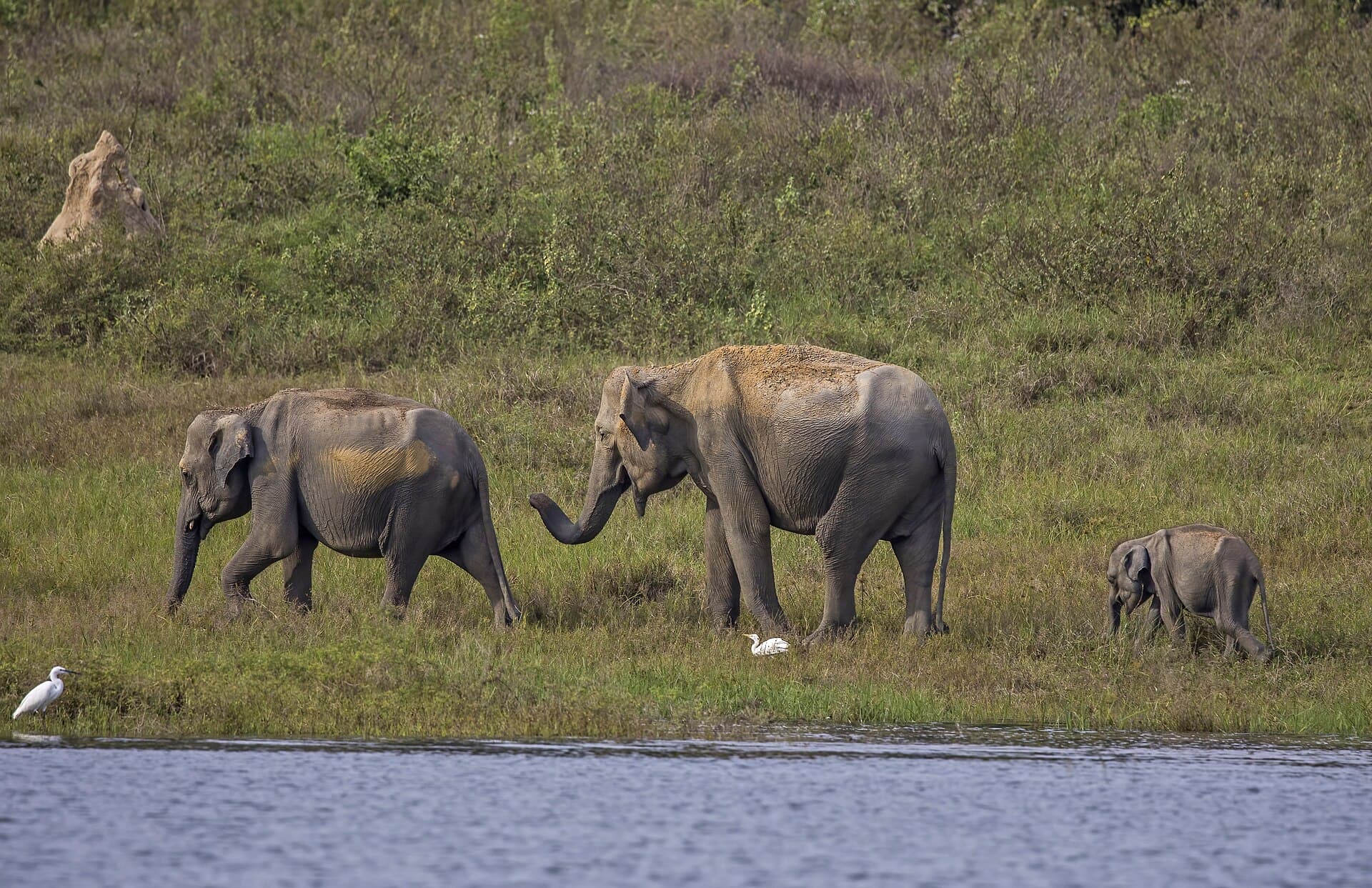
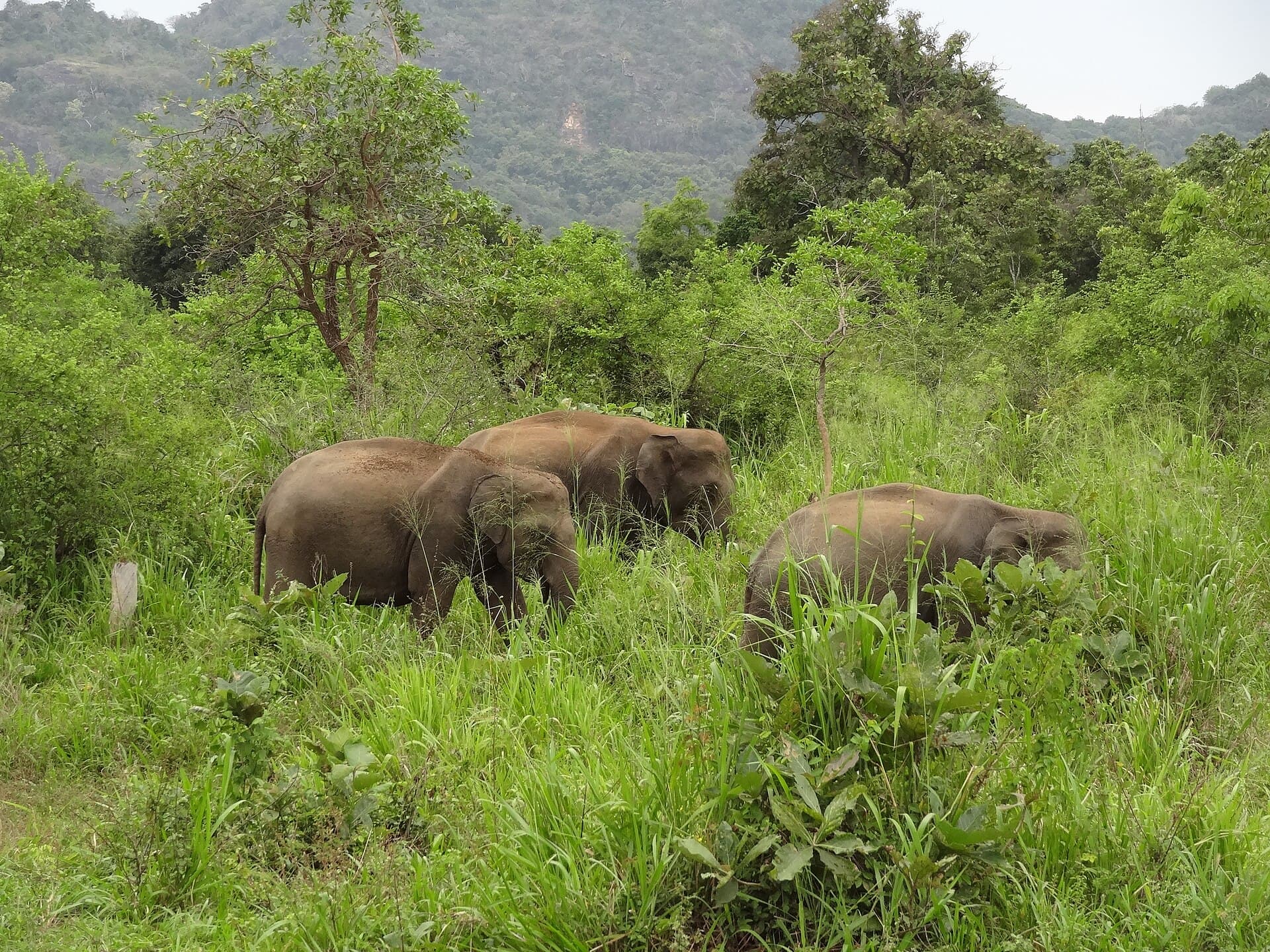
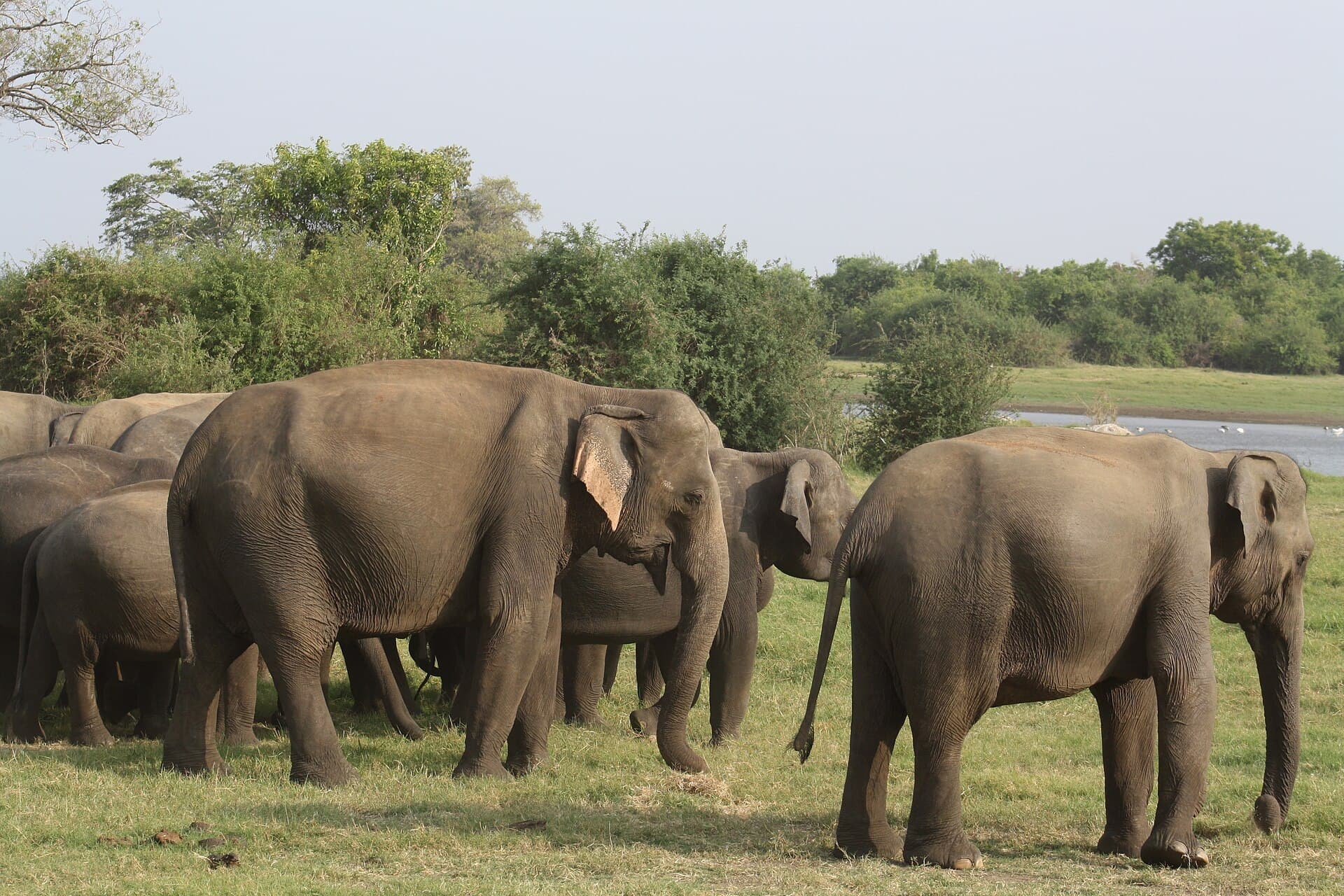
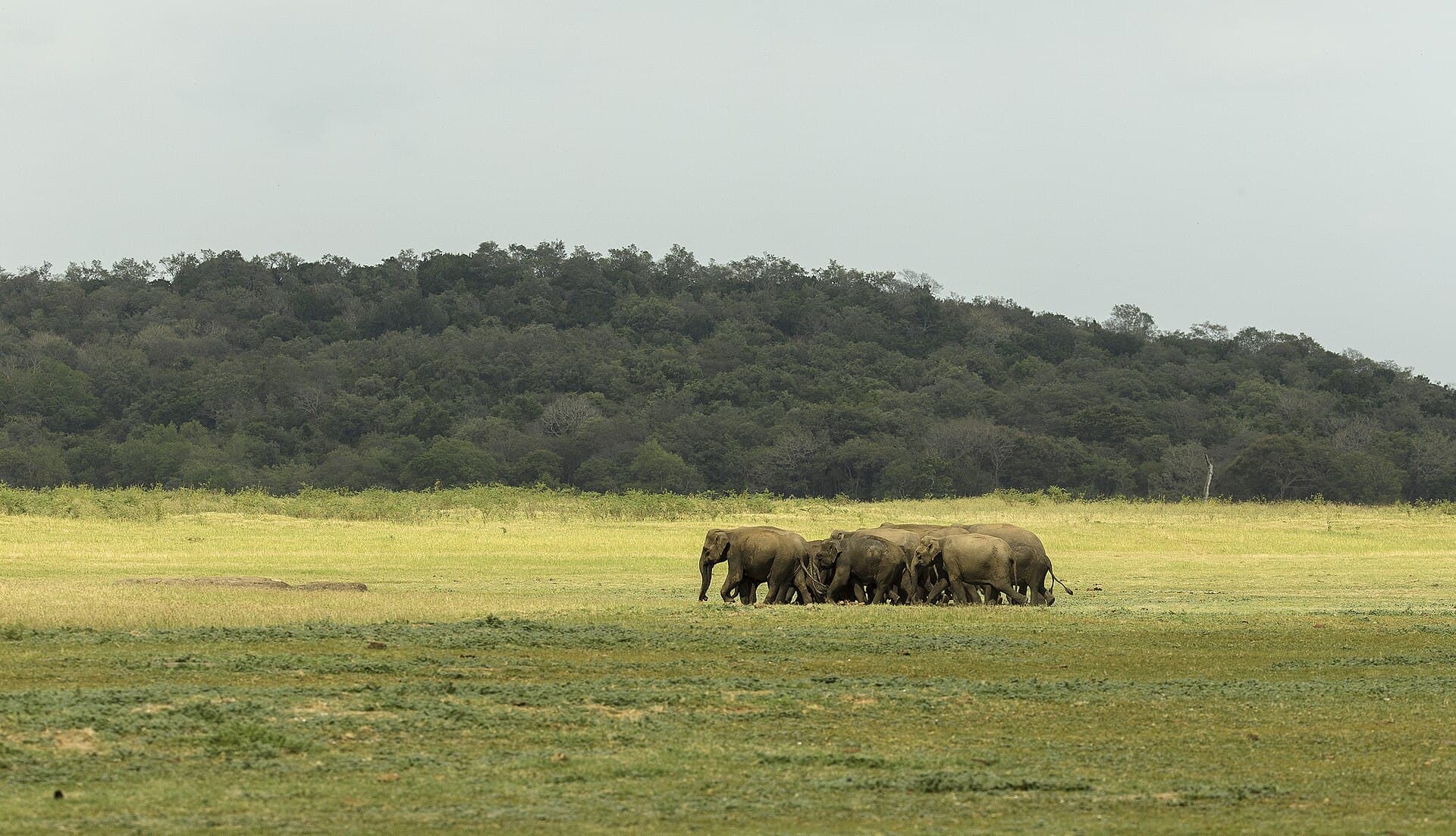
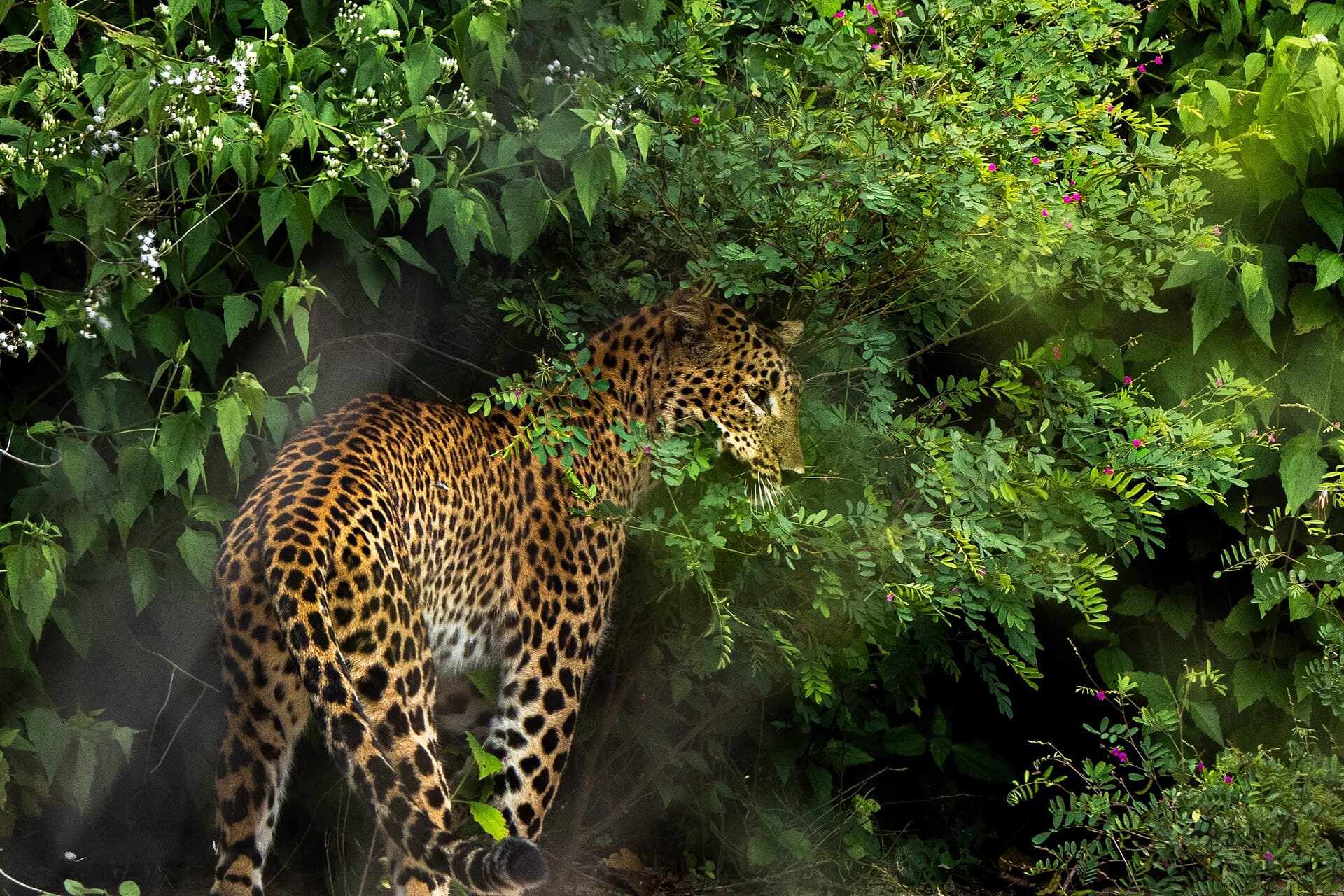
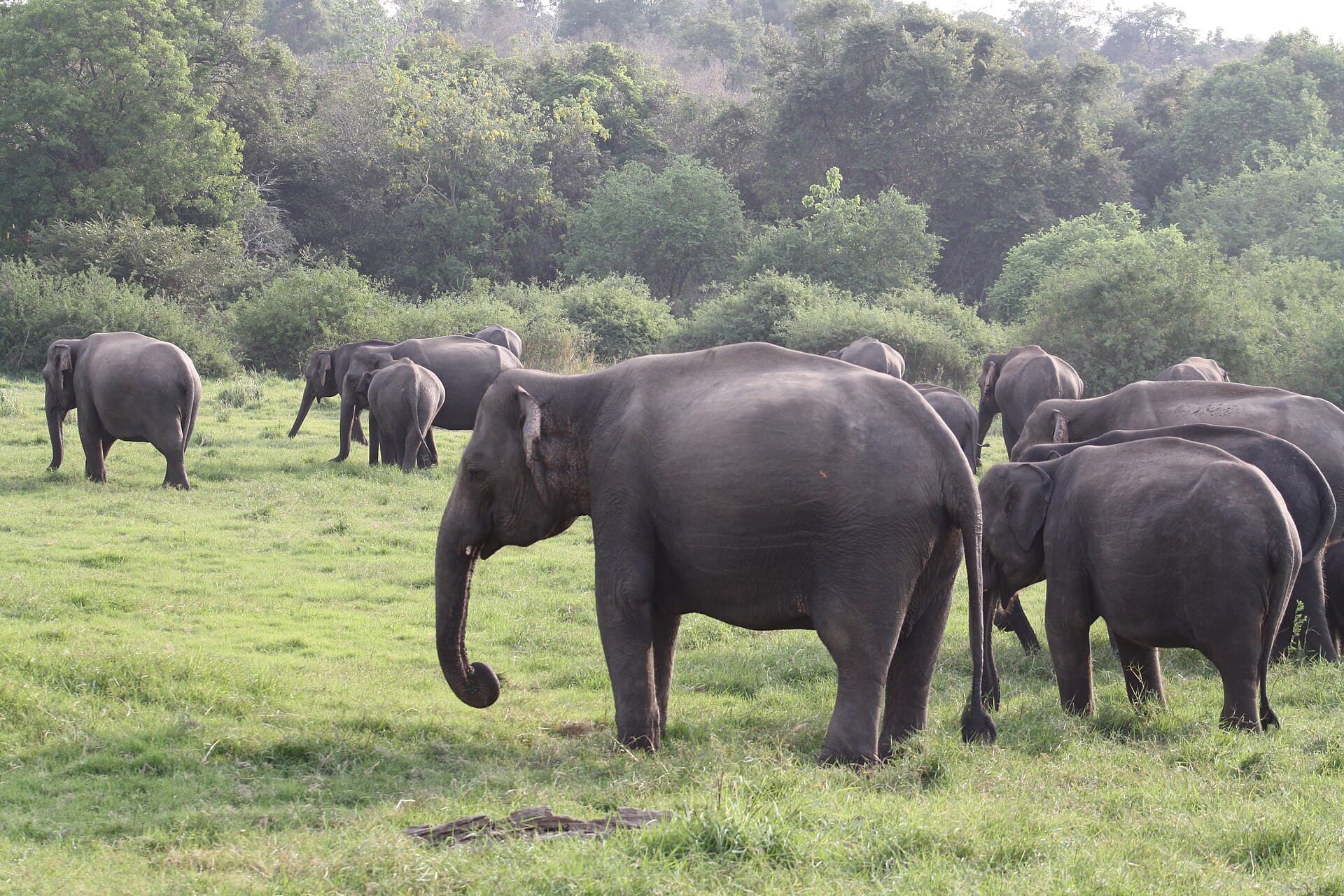
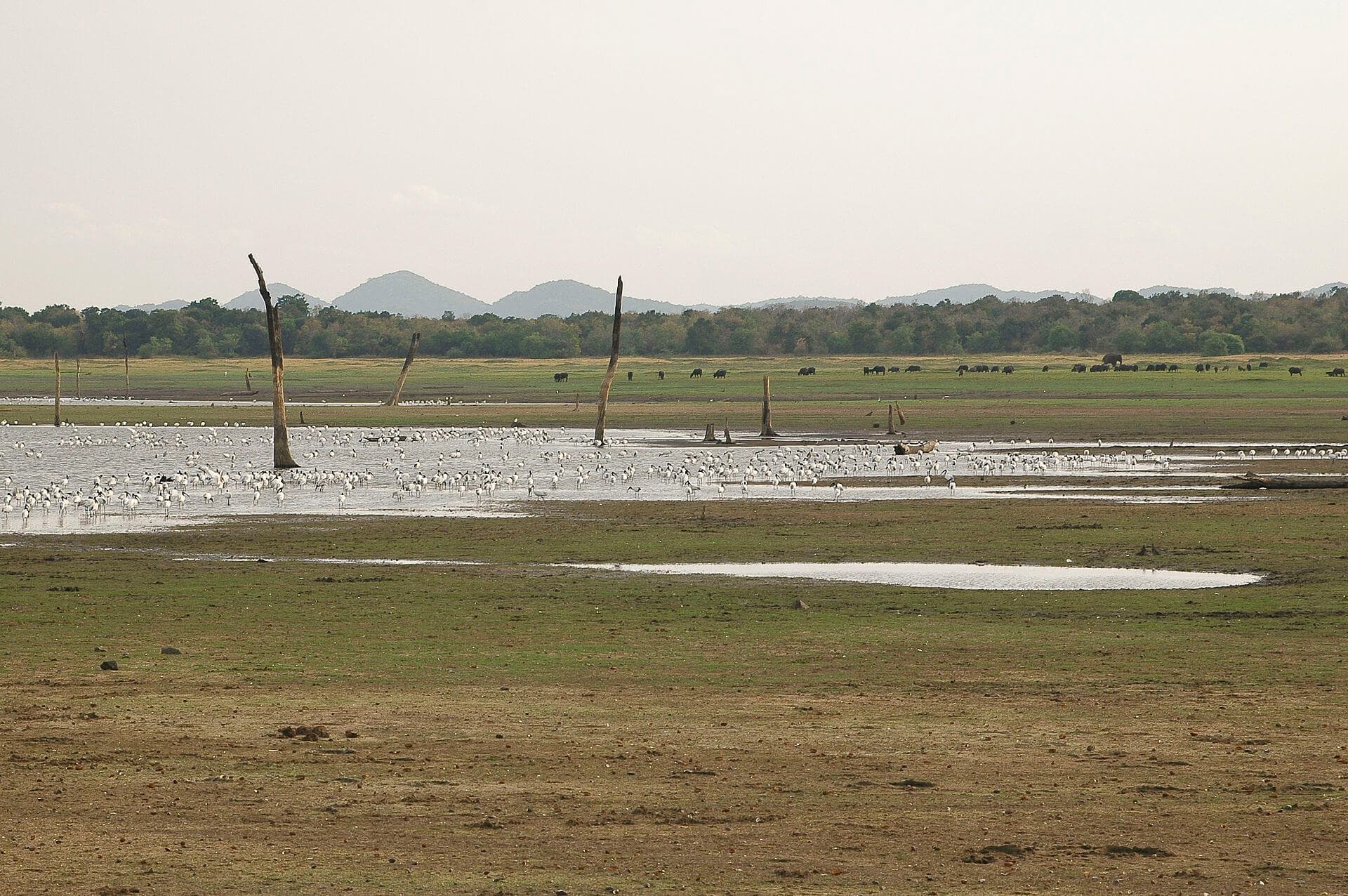
Kumana shares a boundary with Yala and holds the same wildlife, including the same leopard population moving across the park line. What it does not share is the traffic. Yala Block 1 operates a daily vehicle quota that fills in peak season, and thirty jeeps at a single leopard sighting is normal. Kumana gets a small fraction of that. The practical effect is that a sighting here is usually yours alone, and the animals behave as wild animals rather than as animals that have long since stopped caring about vehicles. The tradeoff is the same one you make at Wilpattu. Less habituation means fewer sightings. A leopard that has never learned to ignore jeeps is a leopard that leaves when it hears one. Your chances on a given drive are meaningfully lower than in Yala Block 1. What tips the balance for many visitors is that Kumana gives you something Yala cannot, which is the bird colony. If you are choosing between them purely on leopards, Yala wins on odds. If you want a park where the wildlife outnumbers the vehicles and you are interested in birds at all, Kumana is a far better day. It also suits anyone already on the east coast. If you are at Arugam Bay for the surf, Kumana is on your doorstep and Yala is a long drive around.
Kumana is reached from the east coast rather than from Tissamaharama, which catches a lot of visitors out. The access runs through Panama and Okanda, and most safaris are arranged from Arugam Bay or Panama. Arugam Bay is the obvious base. It is the main visitor town on this stretch of coast, has the widest choice of places to stay, and puts you within a reasonable drive of the park entrance. Panama is closer and quieter. Pottuvil works too and is a short hop from Arugam Bay. Coming from elsewhere on the island, this is a committed trip. The east coast is a long way from Colombo and from the southern beaches, and Kumana is not something you drop into casually between other stops. Most people who visit are already spending time on the east coast. Because the park is remote and the tracks are demanding, the driver matters more than usual. Someone who works this park regularly knows where the nesting colonies are active on the day and which waterways the crocodiles and leopards are using. Book the jeep rather than a seat, and tell your driver in advance whether birds or mammals are your priority, because the two ask for different routes and different waiting places. Start early. The drive to the entrance is part of the day and the best hours at the villu are the first ones.
This is a hot, exposed, dusty park and the drive in is long. Water, sunscreen, a hat and sunglasses are not optional. A light layer helps for the first hour if you are starting before dawn. Binoculars are the single most valuable thing you can carry at Kumana, more so than at any of the elephant parks. Much of the birding is done across open water at the villu and a colony that looks like scattered white dots to the naked eye becomes something remarkable through glass. If you own a pair, bring them. If you do not, this is the park that will convince you to buy some. For photography, a long lens earns its weight. Something in the 400mm range is ideal for nesting birds at distance, though 300mm is workable. A wider lens is worth having for the scale of the colony and for the lagoon and rock outcrop landscapes. Expect rough tracks and a jeep that gets thrown around. Expect dust. Expect long quiet stretches between the productive spots, and a park that feels genuinely remote rather than managed for visitors. Facilities are minimal compared with the southern parks, so bring what you need rather than expecting to buy it. Plan on being self sufficient for the length of the session. Check current access before you commit. Conditions on the east coast tracks vary with the rain, and the park has been subject to seasonal restrictions in the past.
*Note: Prices include service charges and VAT. Rates are subject to change.