National Park
Somawathiya National Park
Somawathiya lies on the flood plains of the Mahaweli River northeast of Polonnaruwa and holds one of the largest elephant populations in Sri Lanka. The ancient Somawathiya Chetiya stupa sits within th...
Somawathiya lies on the flood plains of the Mahaweli River northeast of Polonnaruwa and holds one of the largest elephant populations in Sri Lanka. The ancient Somawathiya Chetiya stupa sits within th...
Somawathiya is part of the Mahaweli development project area and is famous for its wildlife and the ancient Somawathiya Stupa.Wildlife Safari ExperienceA jeep safari tour in Somawathiya is a spiritual and natural journey. The safari jeep experience involves driving through riverine forests where elephants are often seen roaming near the ancient temple grounds.Wildlife HighlightsThe park is home to a large population of Asian Elephants, along with Sambar deer and various waterbirds. It is one of the few places where elephants are seen in a semi-religious setting.Landscape & EcosystemThe terrain is mainly riverine forest and grasslands associated with the Mahaweli River floodplains.Best Time to VisitJune to September is the best time when the weather is dry and animals are easy to spot.
Total Area
376 sq km
Established
1986
City
Polonnaruwa
Coordinates
8.1667000, 81.1667000
No jeeps available yet
Check back soon for safari jeeps at this destination.
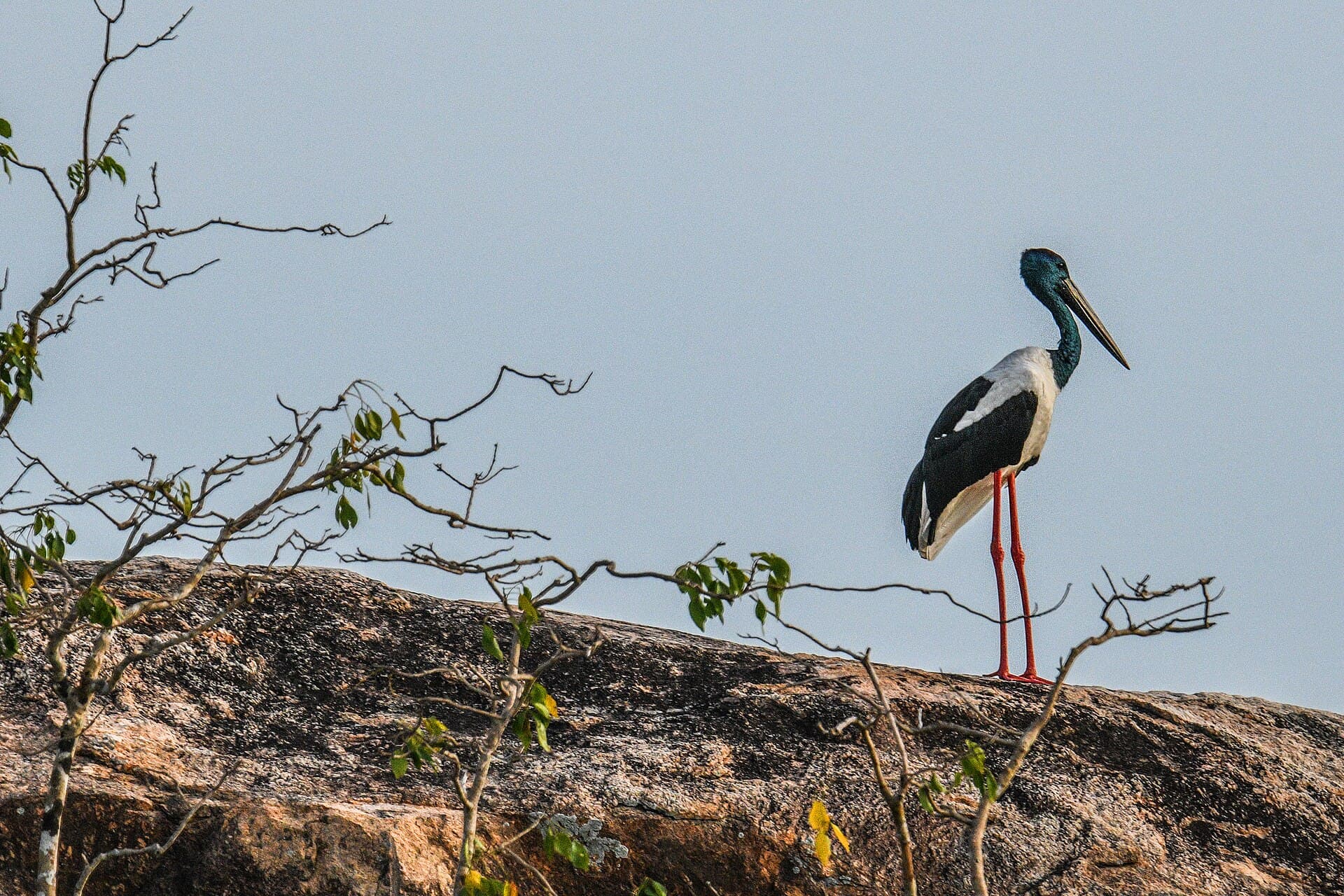
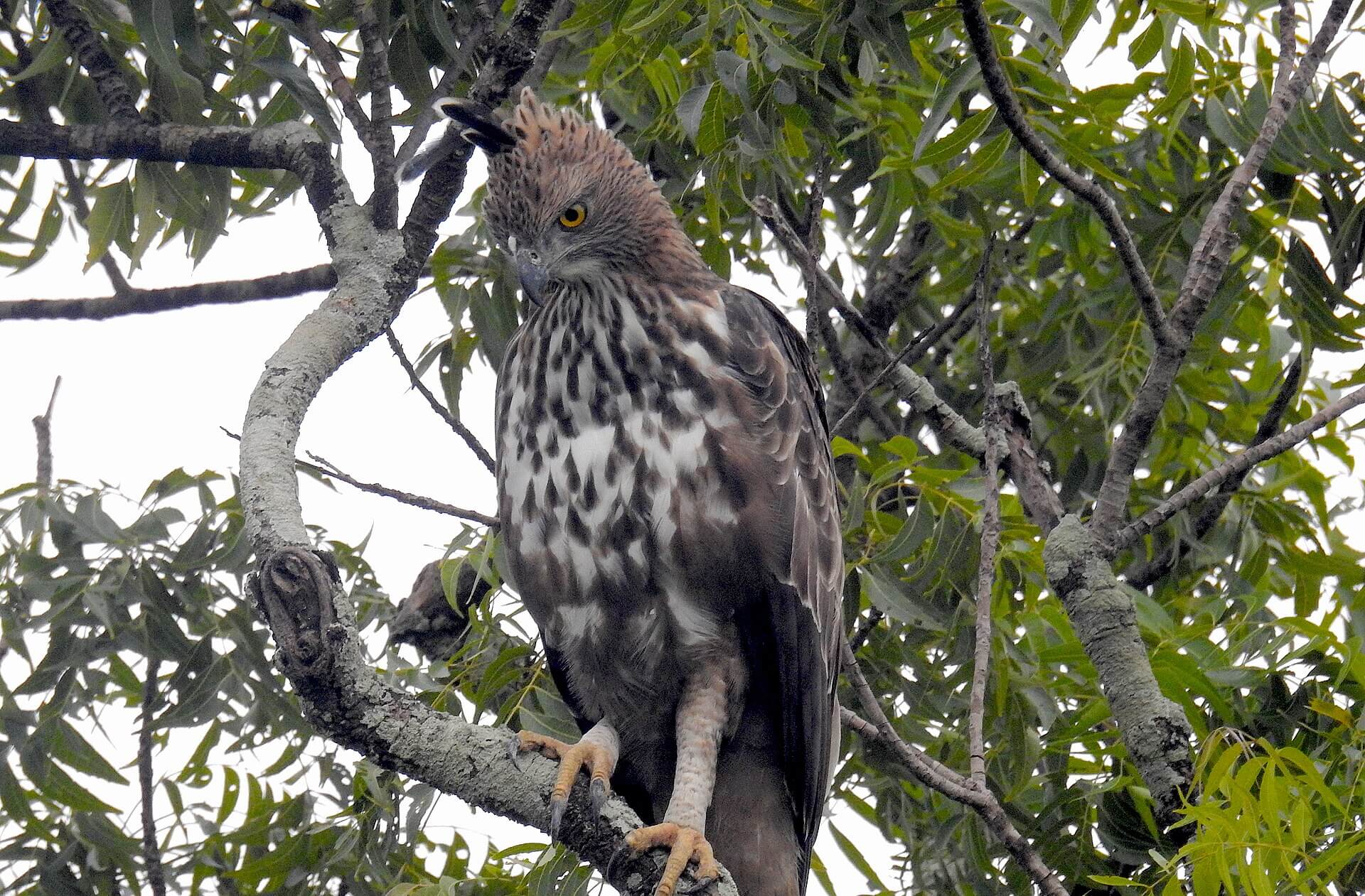
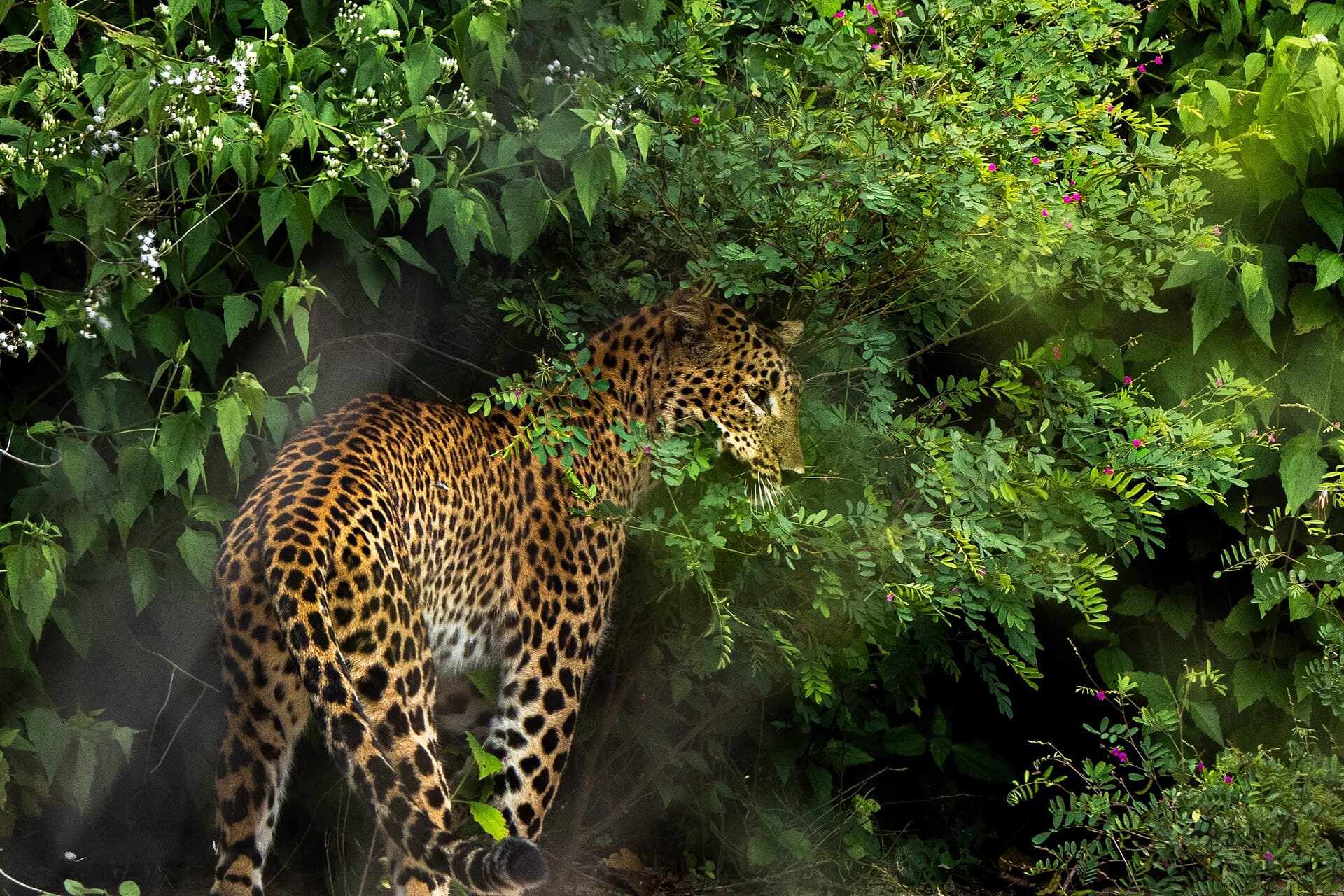
Somawathiya holds an estimated four hundred elephants, which makes it one of the most significant elephant habitats in the country and a genuine rival to the famous parks on numbers alone. Sightings are common, and crocodile sightings along the waterways are equally so. The park sits in the deltaic flood fields of the Mahaweli River, at the point where the river forks, and the landscape is shaped entirely by that. Villus, the shallow seasonal basins characteristic of these flood plains, are scattered through the park alongside old river channels that fill and empty with the seasons. When the water is right, these basins produce exceptionally rich grazing, and that is what supports the elephant numbers. Beyond elephants and crocodiles you will find spotted deer, sambar, wild boar, water buffalo and grey langur. Leopards are present but rarely seen. Birdlife around the villus and river channels is excellent, with storks, herons, egrets, cormorants and pelicans working the water, and raptors overhead. The flood plain habitat supports species you will not see in the drier scrub parks. Because the park connects to Wasgamuwa and the wider Mahaweli corridor, elephant numbers here shift as animals move along the river system.
Somawathiya is unusual in combining a major Buddhist pilgrimage site with a national park, and most visitors experience both. The Somawathiya Chetiya is a stupa dating to around 200 BC, named after Princess Somawathi, sister of King Kavantissa, and built by her husband Prince Abhaya. It is believed to enshrine a tooth relic of the Buddha. It remains an active place of pilgrimage and draws worshippers from across the country, particularly at poya and festival times. For a visitor this means the park has a character quite different from a purely wildlife destination. The approach road carries pilgrims as well as safari jeeps, and the stupa itself is worth time in its own right rather than being a photo stop on the way to the animals. Dress and behave accordingly at the stupa. Shoulders and knees covered, shoes off in the appropriate areas, and quiet. Your driver will know the etiquette and it is worth asking rather than guessing. Practically, the combination works well. A morning or afternoon safari plus time at the stupa makes a full and varied day, and the two are close enough that no significant travel sits between them. If you are visiting during a major religious festival, expect the area to be considerably busier and plan the safari timing around it.
Somawathiya is a flood plain park and that governs everything about visiting it. The Mahaweli River forks within the park, and the surrounding land is a deltaic flood field dotted with villus, shallow basins that fill during the wet season and gradually dry back. Old river channels thread through the same country. The prolonged flooding is what makes these basins so productive, and the fresh grazing that follows is what draws the elephants in numbers. The seasonal cycle is more pronounced here than in a park built around a permanent tank. When the flood plains are inundated, large areas become inaccessible and tracks are impassable. As the water recedes, grazing appears and the animals concentrate, and access opens up. This makes checking current conditions before you travel more important at Somawathiya than at most parks. Water levels vary a great deal year to year, and a driver who works this area will know what is reachable this month. Do not assume that a route that worked for someone last season will work now. The dry months are generally the practical window for both access and viewing. During and immediately after heavy rain, expect restrictions. The reward for getting the timing right is a park with elephant numbers among the highest in the country and very few other vehicles to share them with.
Compare parks before you book. Each one suits a different trip.
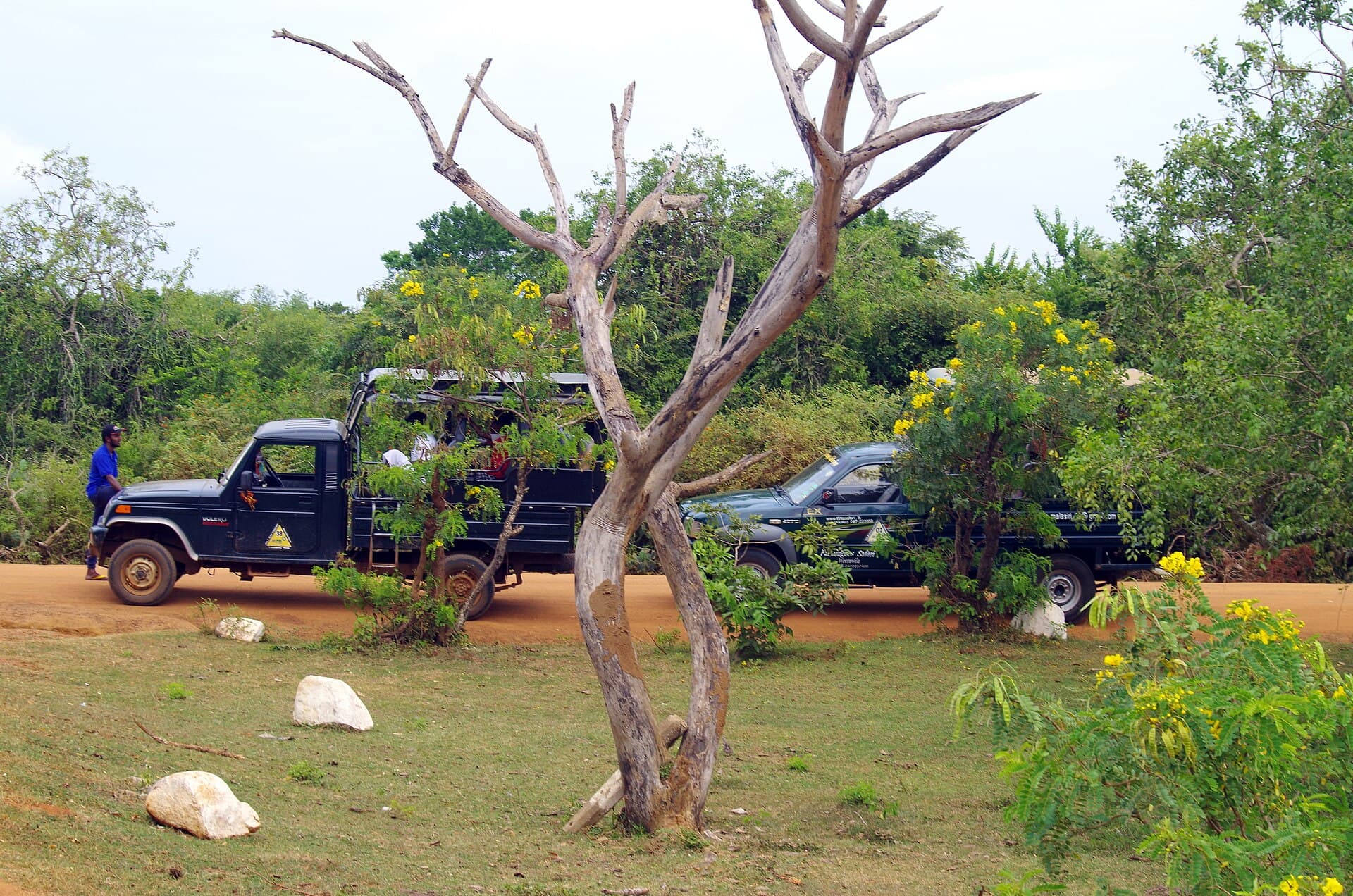
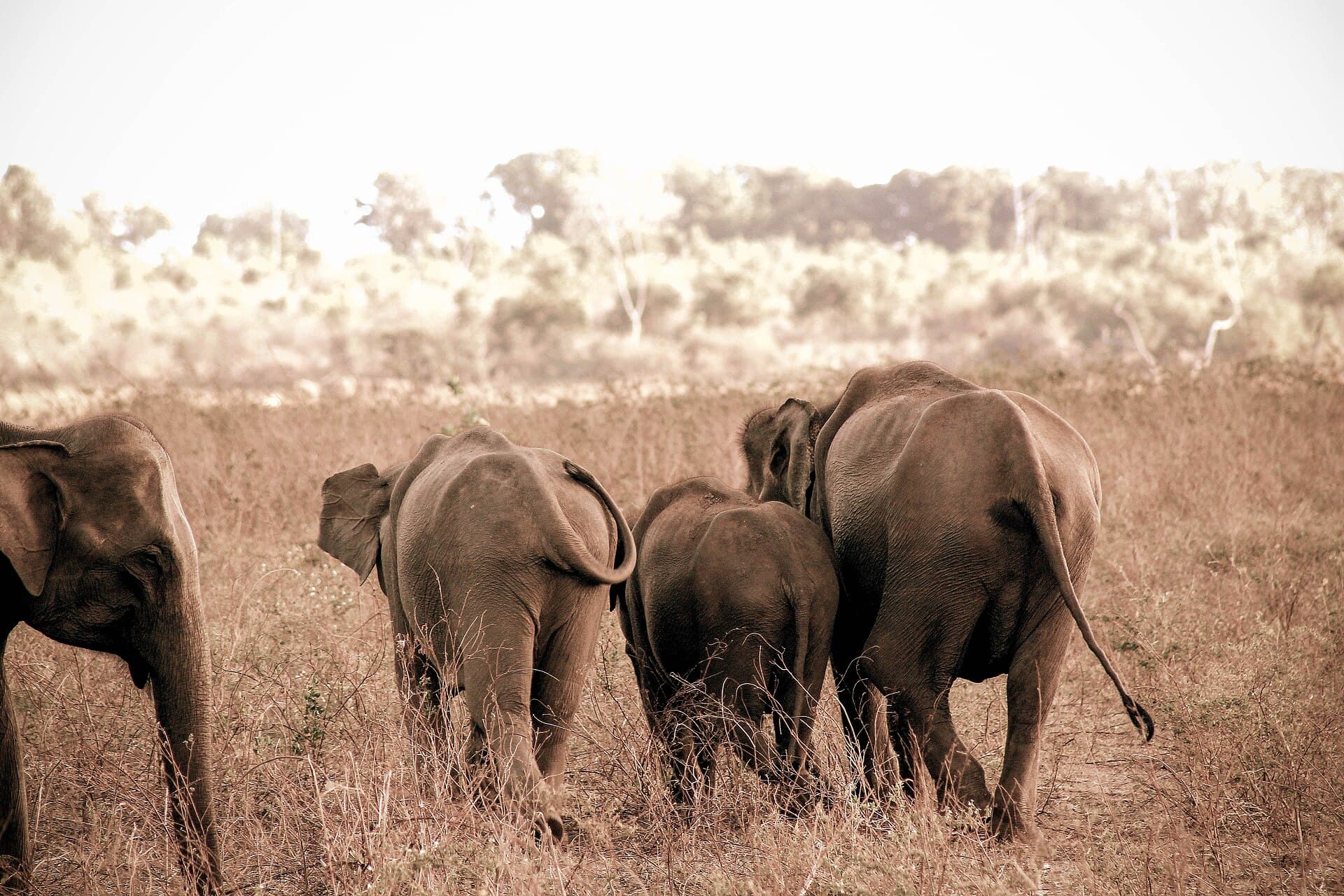
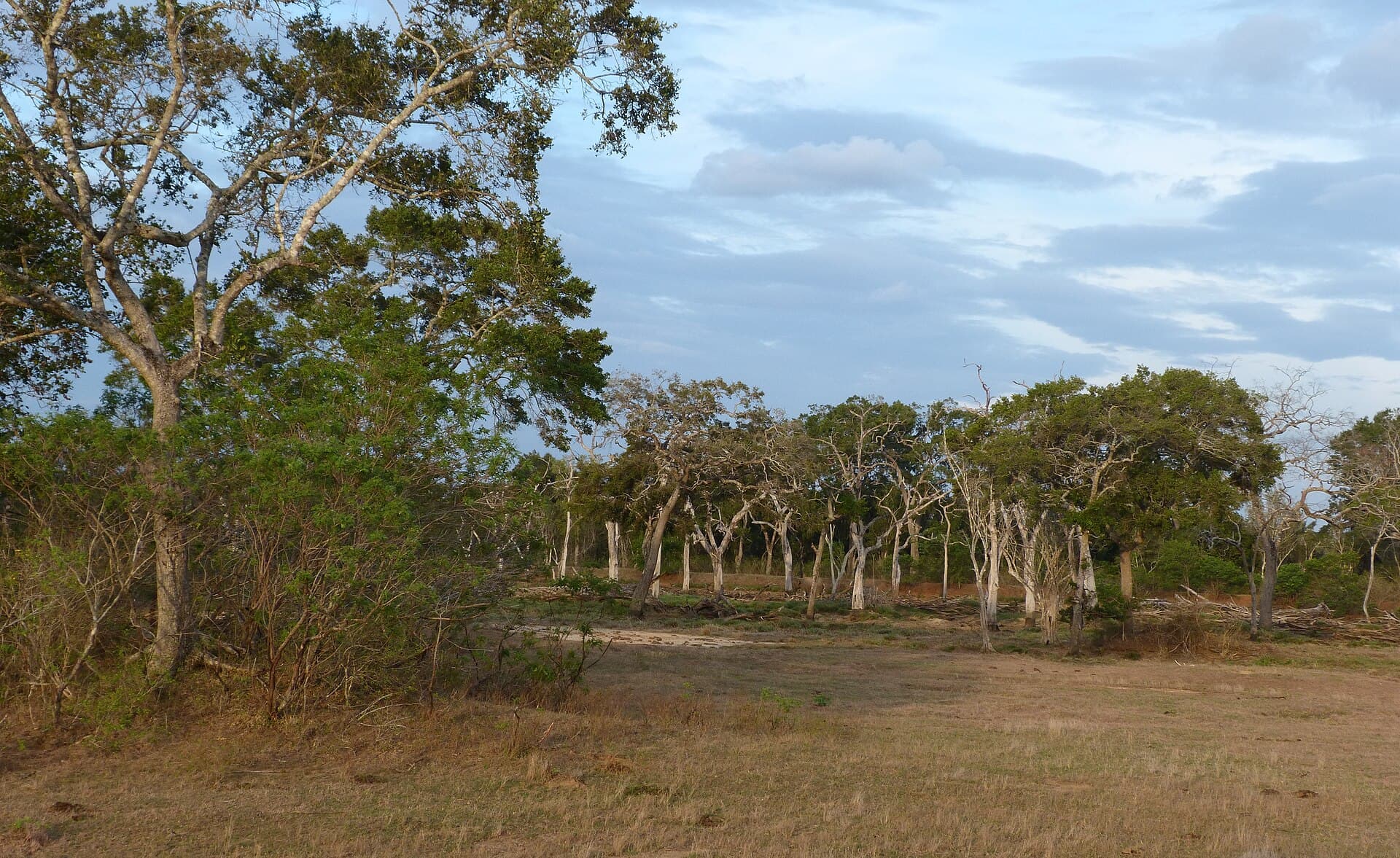
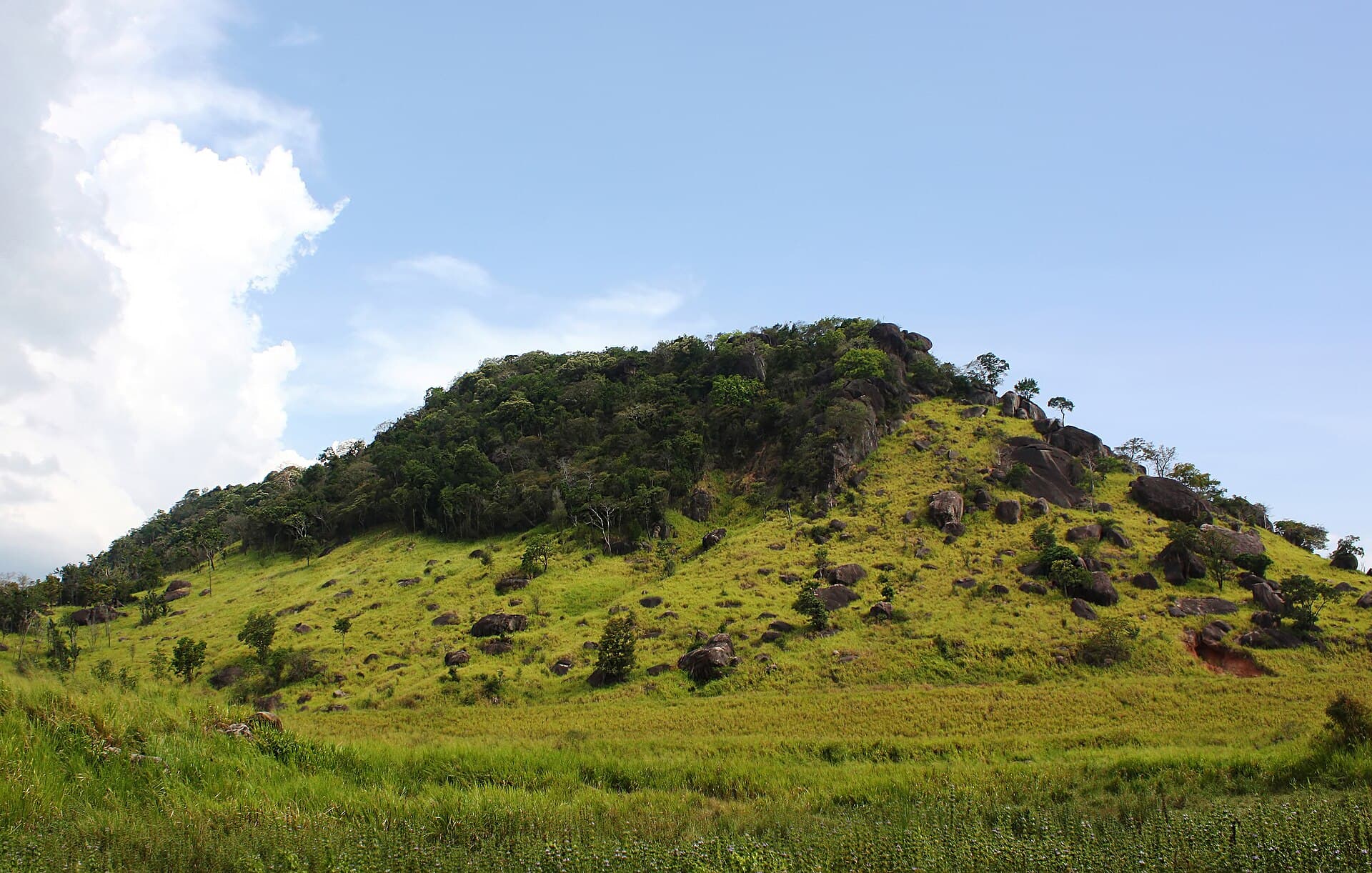
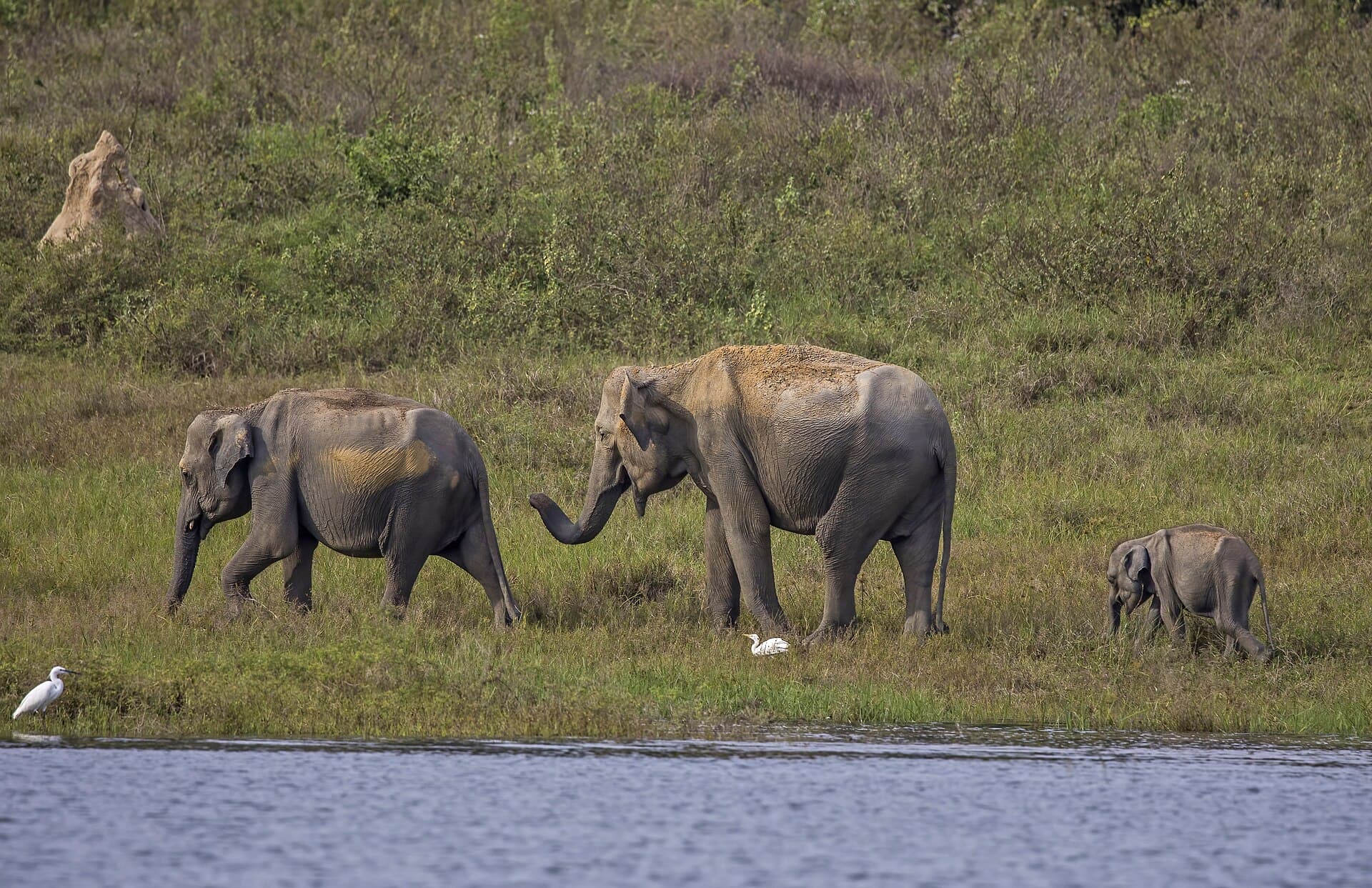
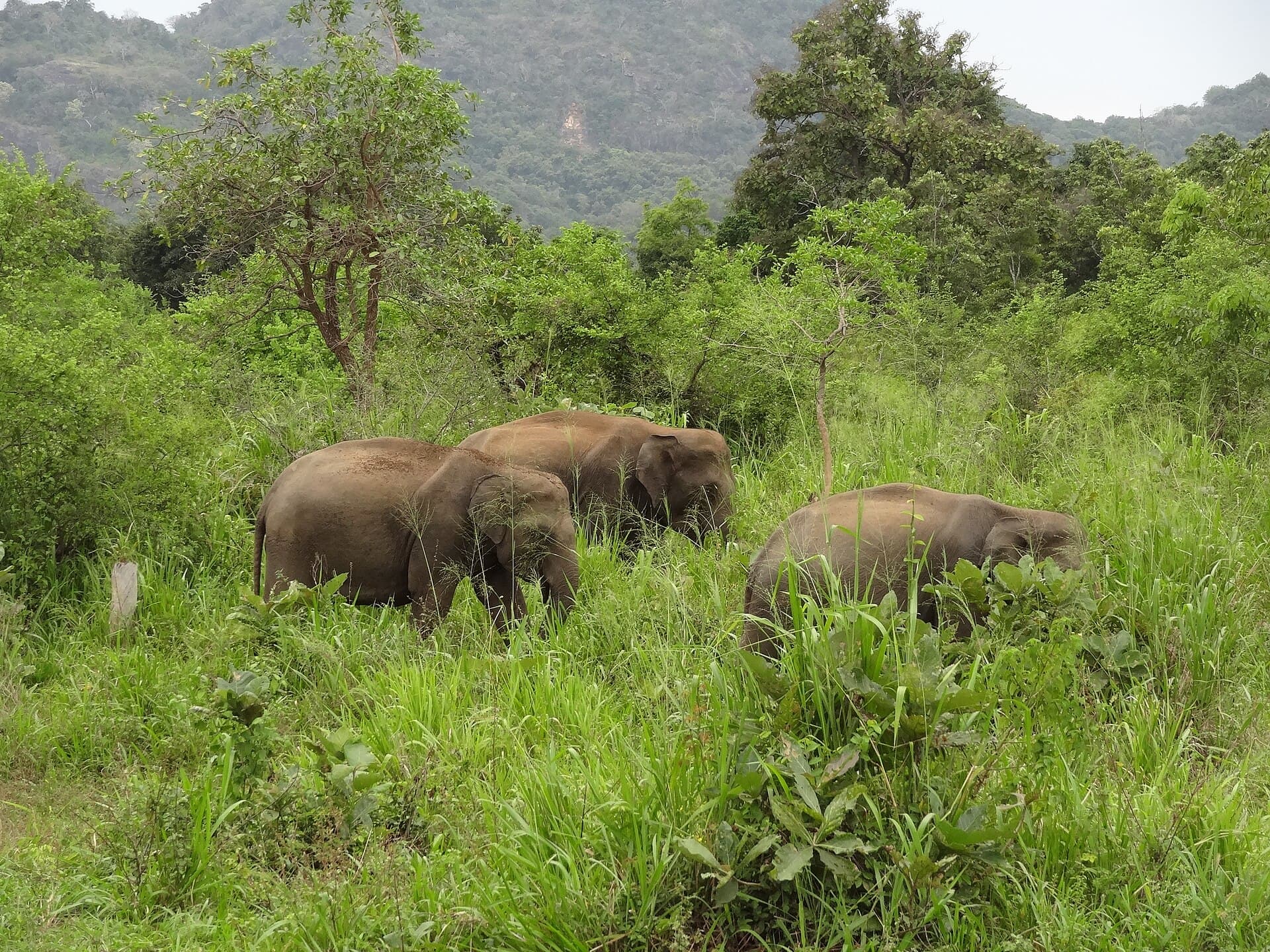
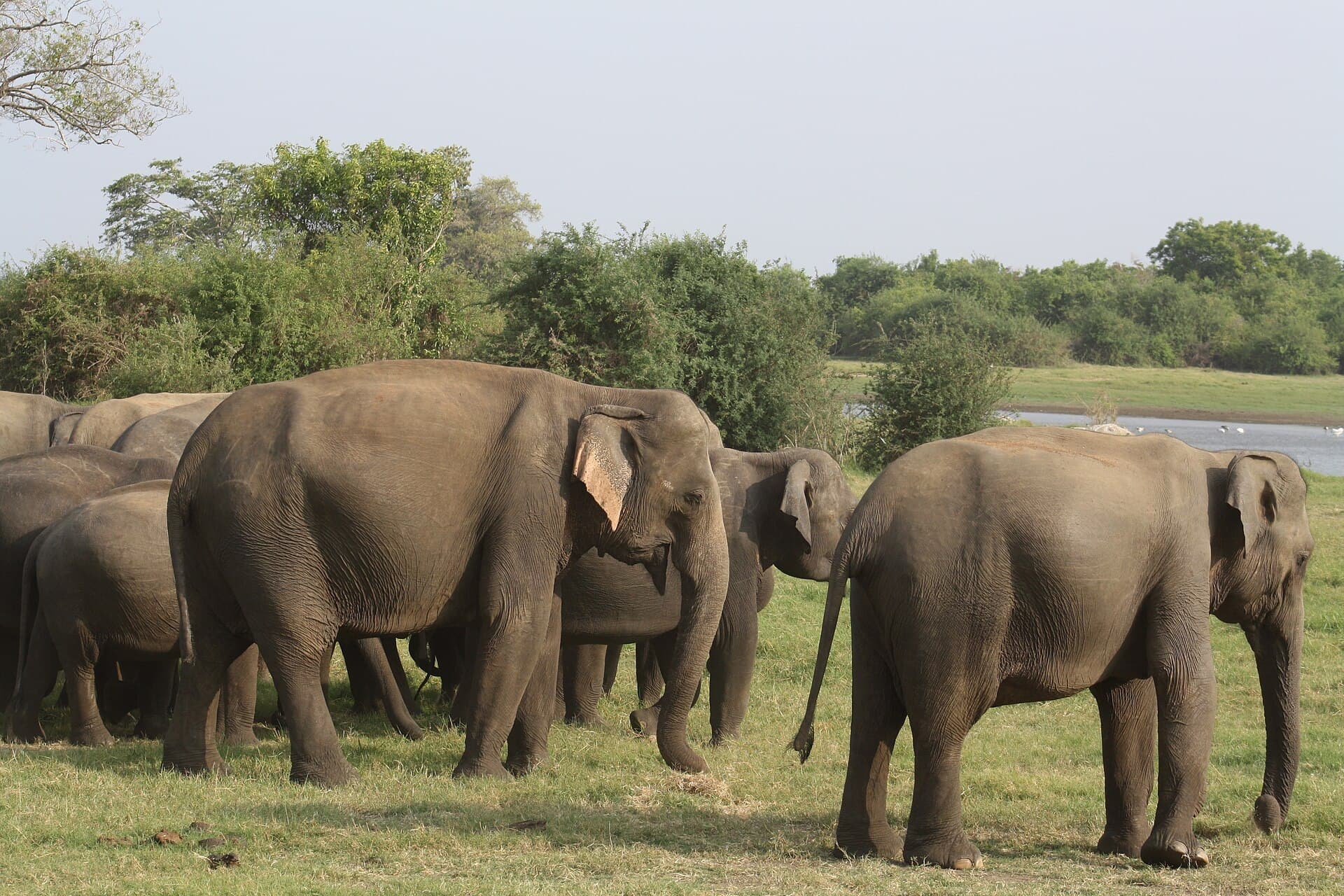
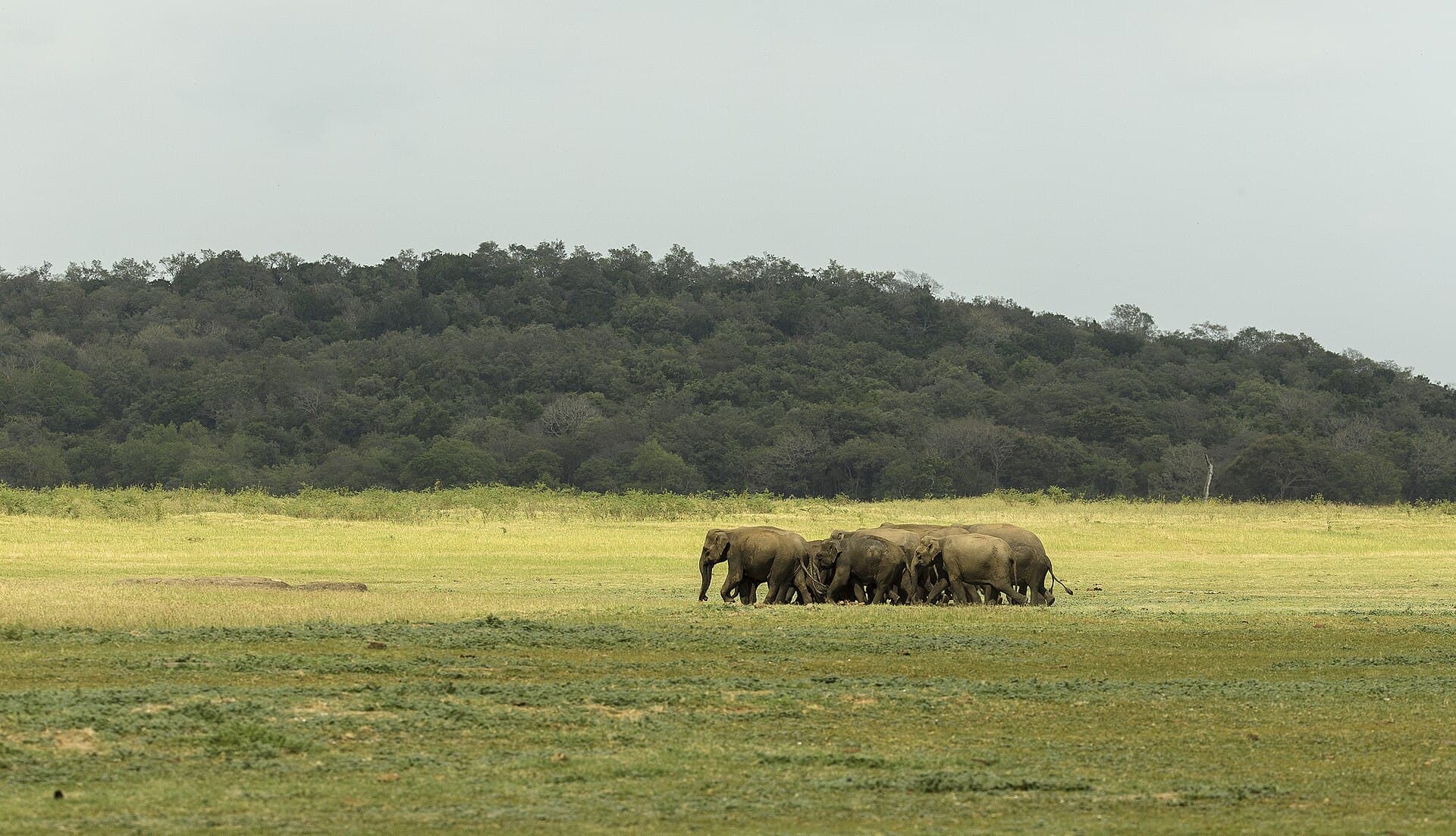
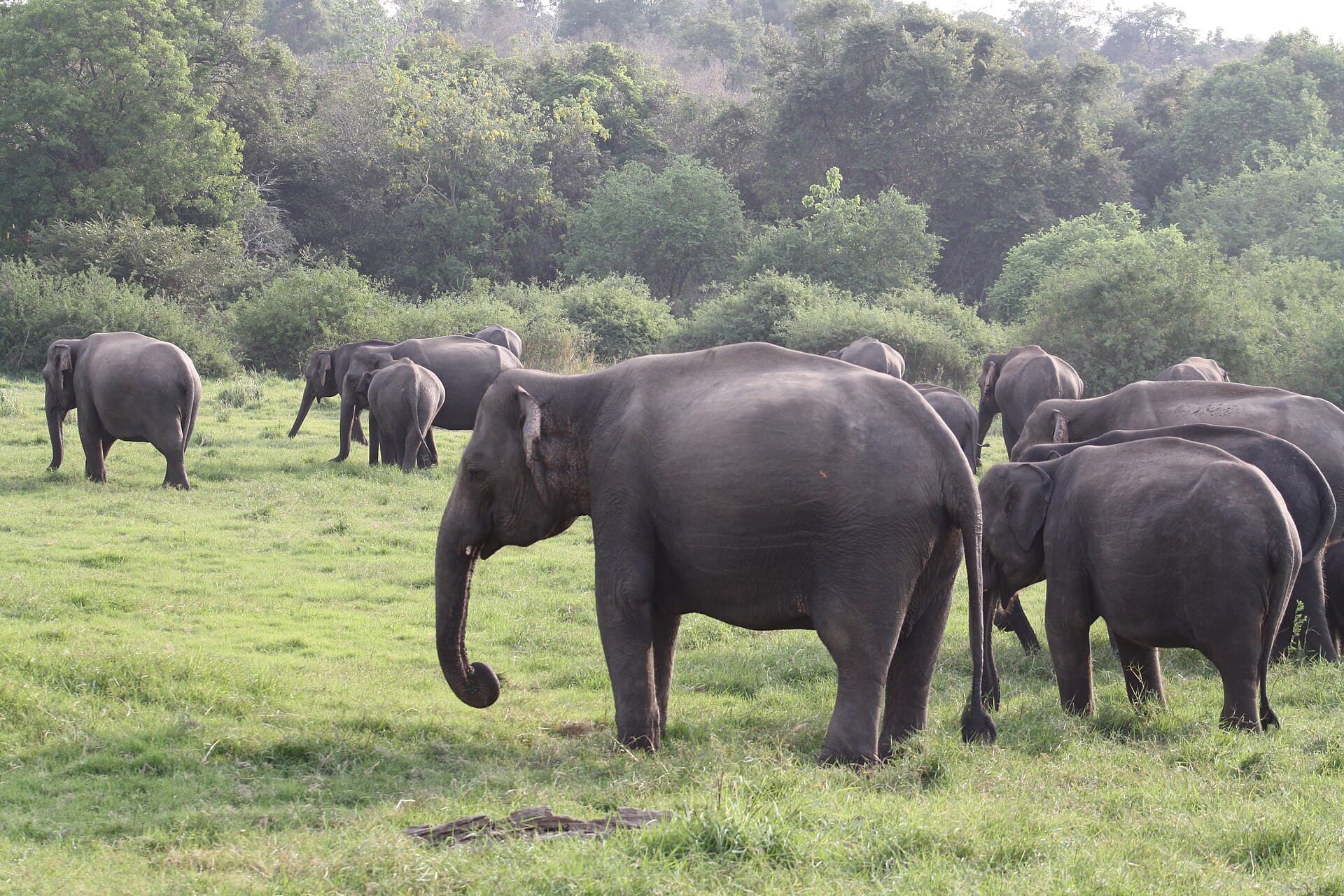
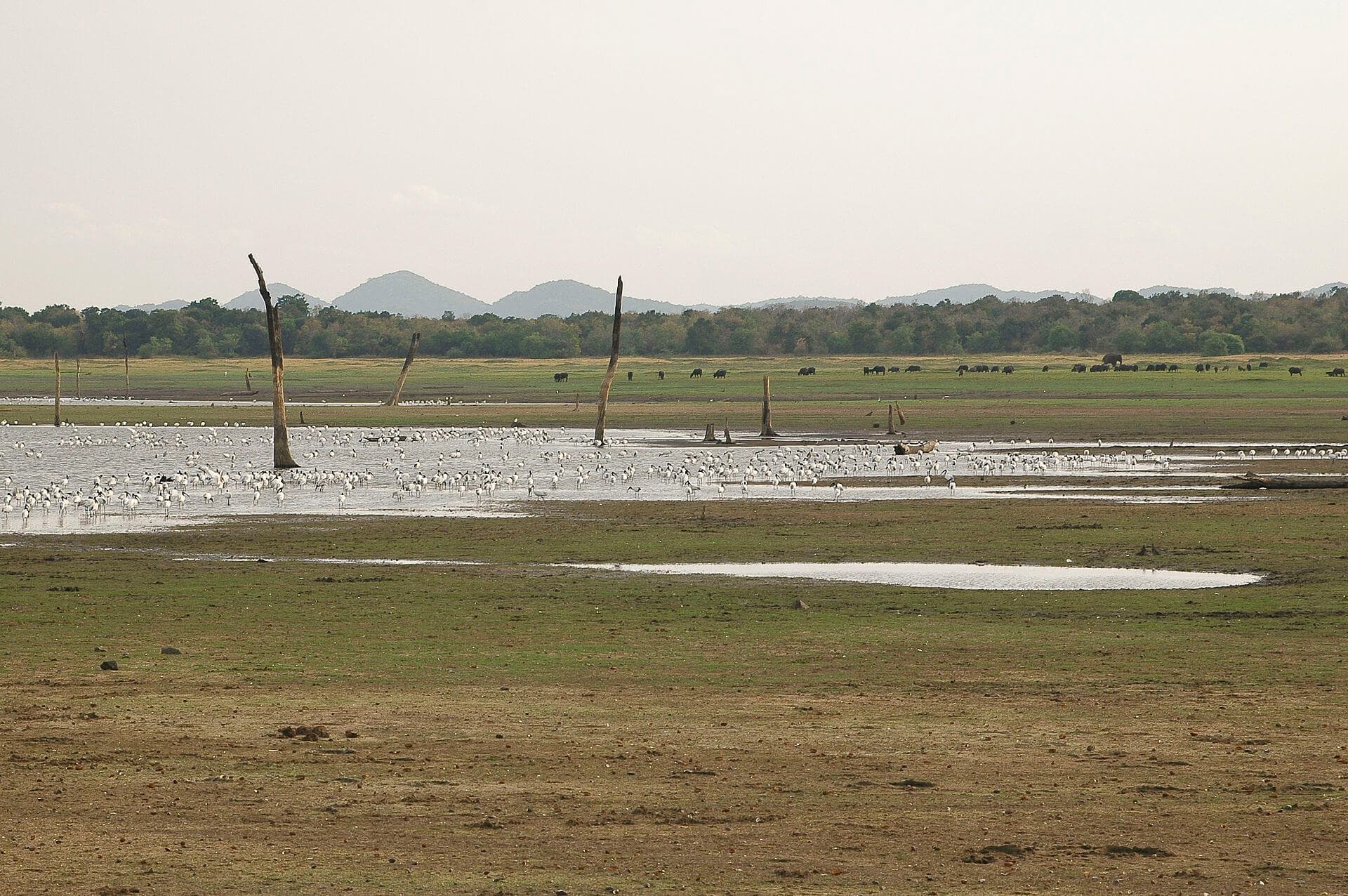
Safaris run in two standard slots, early morning and late afternoon, which give the best conditions for wildlife on these open flood plains. Jeep safaris must be conducted with a licensed tracker or naturalist inside the park boundaries, so your vehicle will carry a park guide alongside your driver. The driving works the villus and the old river channels, moving between basins and along the water margins where animals feed and drink. The terrain is flatter and more open than the scrub parks, so visibility across the flood plain is good and you can often see herds at distance before approaching. Because elephant numbers are high and the country is open, this park can deliver genuinely large sightings. It can also be quiet if the herds have moved along the Mahaweli corridor toward Wasgamuwa, which happens. The open flood plain also means almost no shade. On a late morning or early afternoon the heat is serious and the two standard session slots exist for good reason. Keep distance and let your guide set it. Four hundred elephants in a park that sees few vehicles means animals that are not habituated the way the Udawalawe herds are, and the same discipline applies as at Wasgamuwa. Engines off, sensible spacing, no pushing in for a photograph. Sessions typically run three to four hours, with full day options available.
Somawathiya sits northeast of Polonnaruwa in the Mahaweli flood plains, and is reachable from both the Cultural Triangle and the east coast. From Polonnaruwa, the turn is at Hospital Junction between Polonnaruwa and Kaduruwela towns. The stupa is roughly forty kilometres from both Polonnaruwa and Minneriya, so either makes a workable base if you want the safari alongside Cultural Triangle sightseeing. From the east coast, the park is easily accessible from Pasikuda or Batticaloa, and day trips are run from that side. If you are already spending time on the east coast beaches this is one of the more practical inland excursions available. Polonnaruwa is the base most visitors use, because it combines the ancient city, Minneriya or Kaudulla for the elephant gathering, and Somawathiya within a short radius. Habarana also works. Accommodation immediately around the park is limited, so plan to stay in Polonnaruwa or on the coast rather than nearby. Bring sun protection that works in fully exposed conditions, because the flood plains offer essentially no shade. Hat, sunglasses, high factor sunscreen and a lot of water. A light layer helps for an early start. For photography, the open country means longer sightlines and often distant herds, so a lens in the 300mm to 400mm range is useful. A wider lens is worth having for the scale of the flood plain landscape and for the stupa.
*Note: Prices include service charges and VAT. Rates are subject to change.