National Park
Gal Oya National Park
Gal Oya is the only park in Sri Lanka where you take a boat rather than a jeep, and the only place in the country you can watch wild elephants swim between islands. It is built around Senanayake Samud...
Gal Oya is the only park in Sri Lanka where you take a boat rather than a jeep, and the only place in the country you can watch wild elephants swim between islands. It is built around Senanayake Samud...
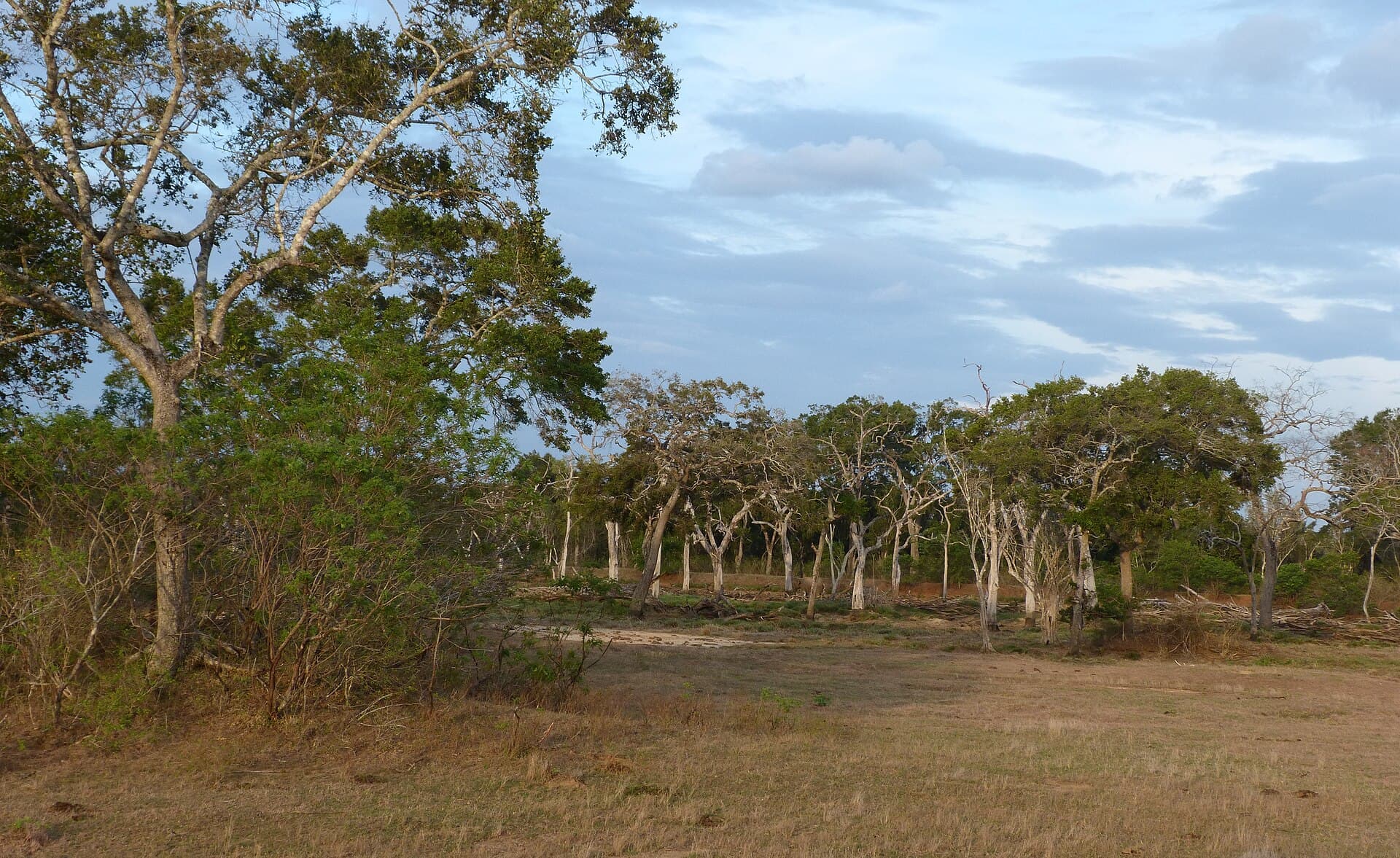
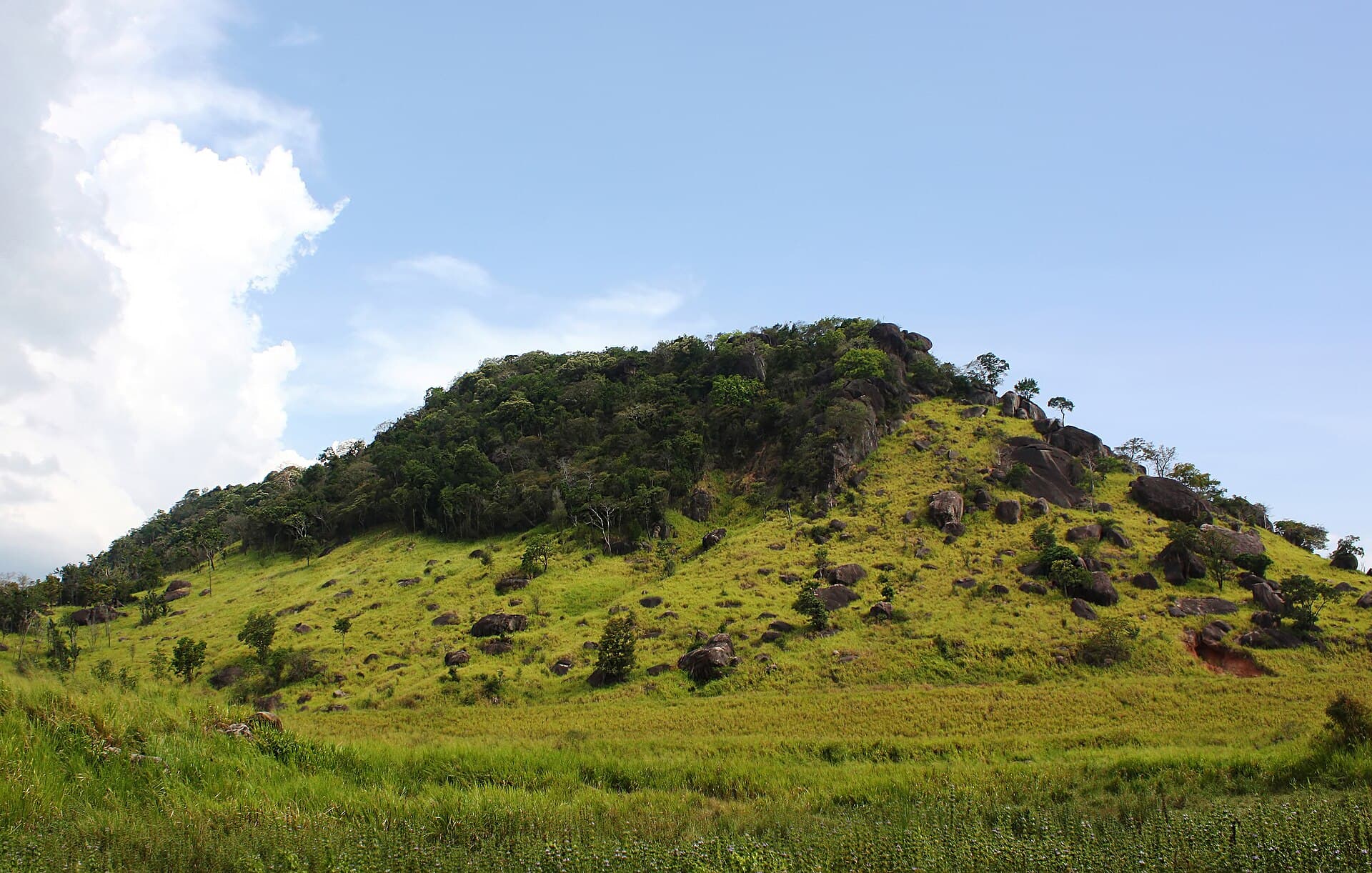
Gal Oya is one of Sri Lanka’s best-kept secrets, offering a tranquil escape into a world of massive reservoirs and verdant islands.Wildlife Safari ExperienceWhile jeep safari tours are available, Gal Oya is most famous for its boat safaris. A safari jeep experience here explores the dense forests surrounding the lake, where wildlife remains relatively undisturbed by large-scale tourism.Wildlife HighlightsThe iconic sight is that of Asian Elephants swimming between islands in the reservoir. You may also spot Leopards, Sloth Bears, and a rich variety of fish-eating birds.Landscape & EcosystemThe park is dominated by the Senanayake Samudraya, the largest reservoir in Sri Lanka, surrounded by evergreen forests and savannah-like grasslands.Best Time to VisitThe best time to visit is from March to July for boat safaris and wildlife sightings.
Total Area
259 sq km
Established
1954
City
Ampara
Coordinates
7.2167000, 81.4667000
No jeeps available yet
Check back soon for safari jeeps at this destination.
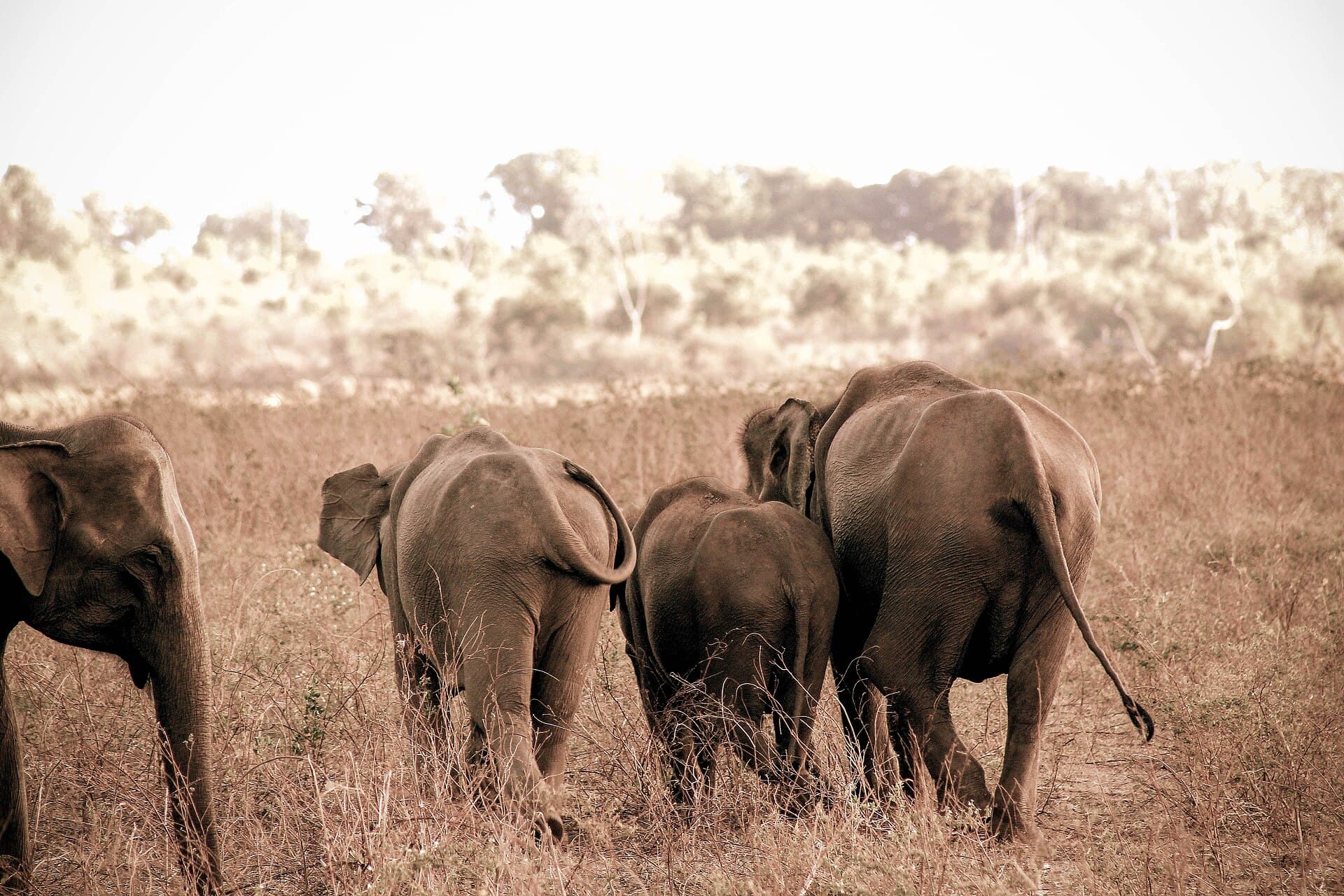
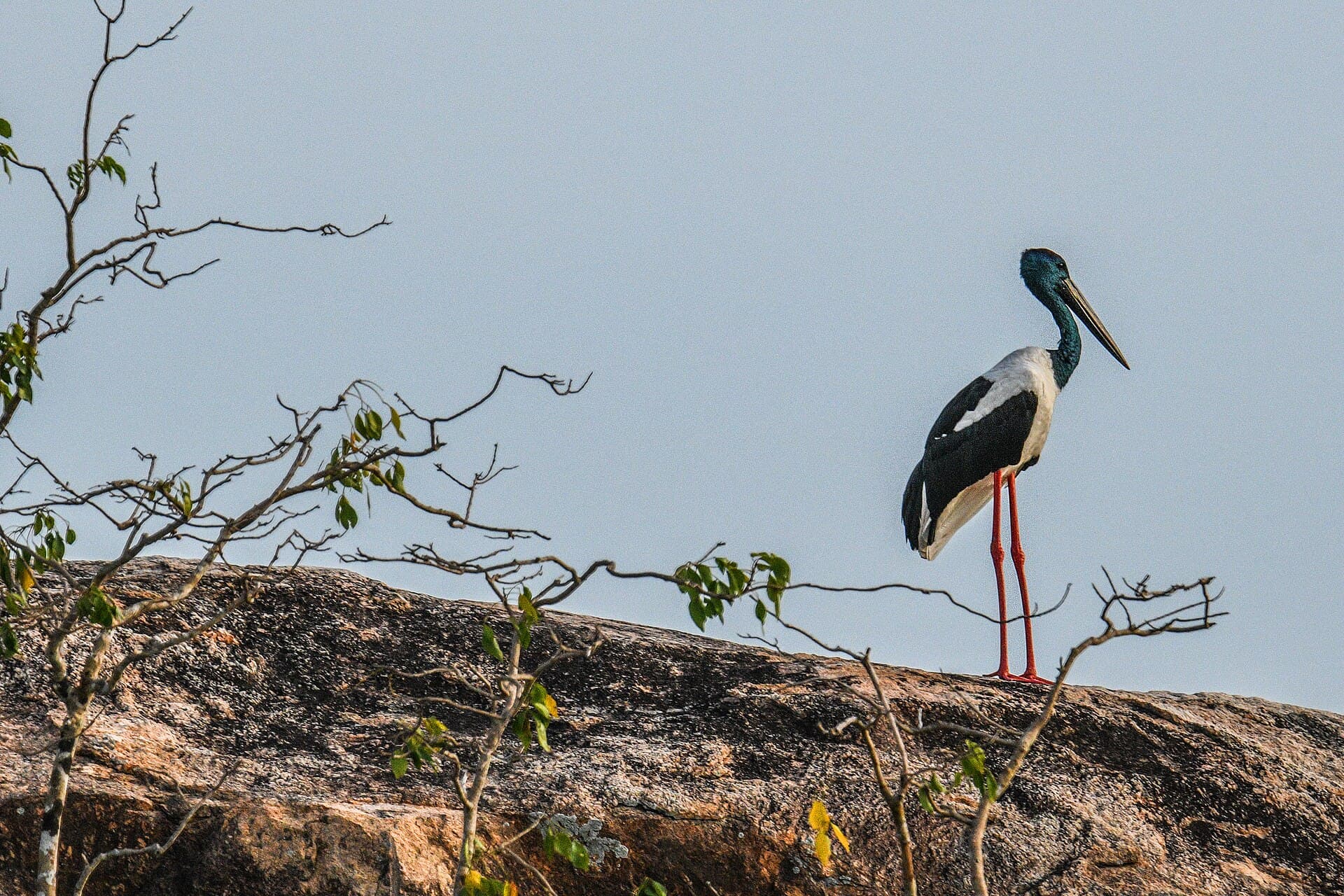
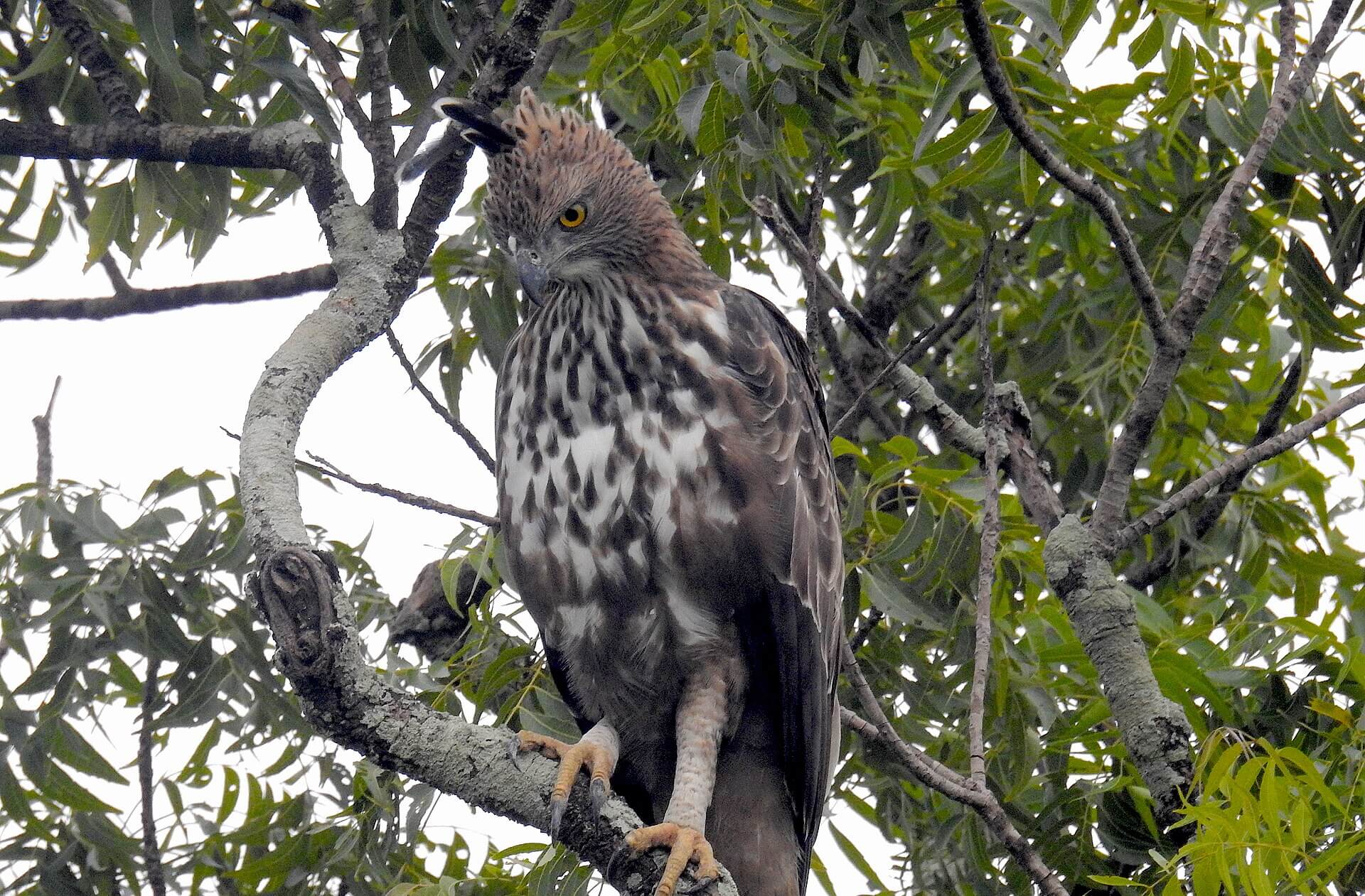
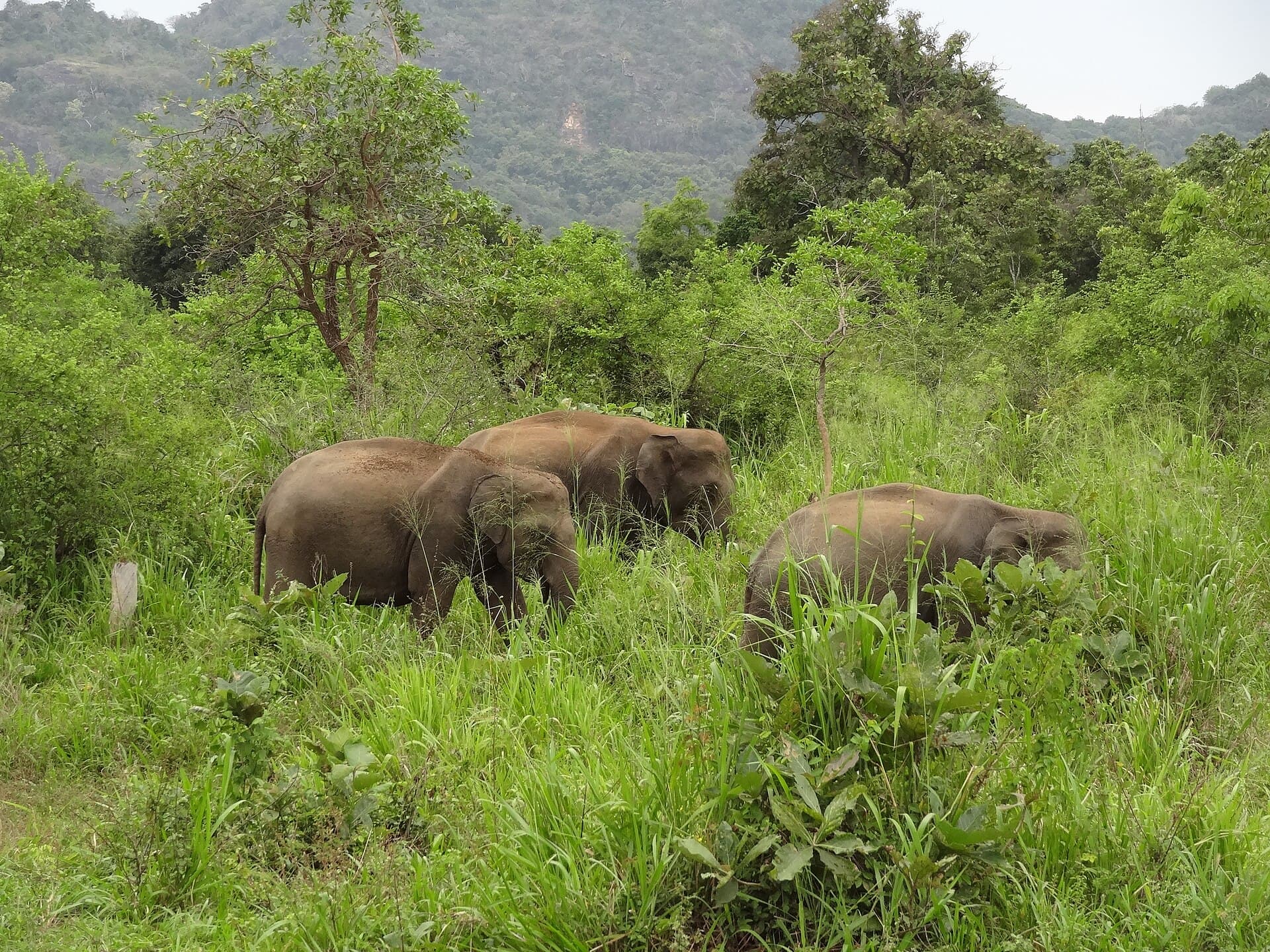
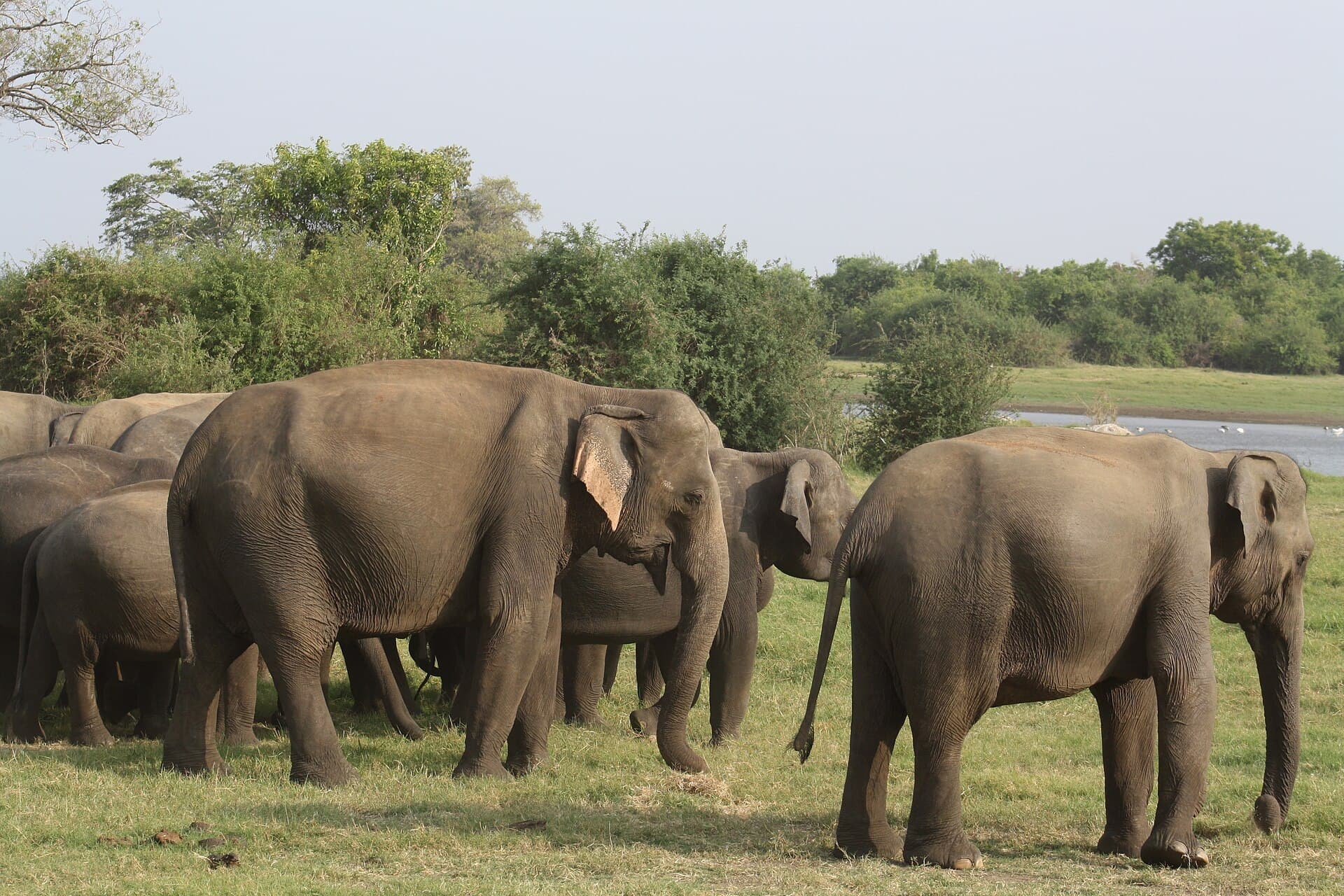
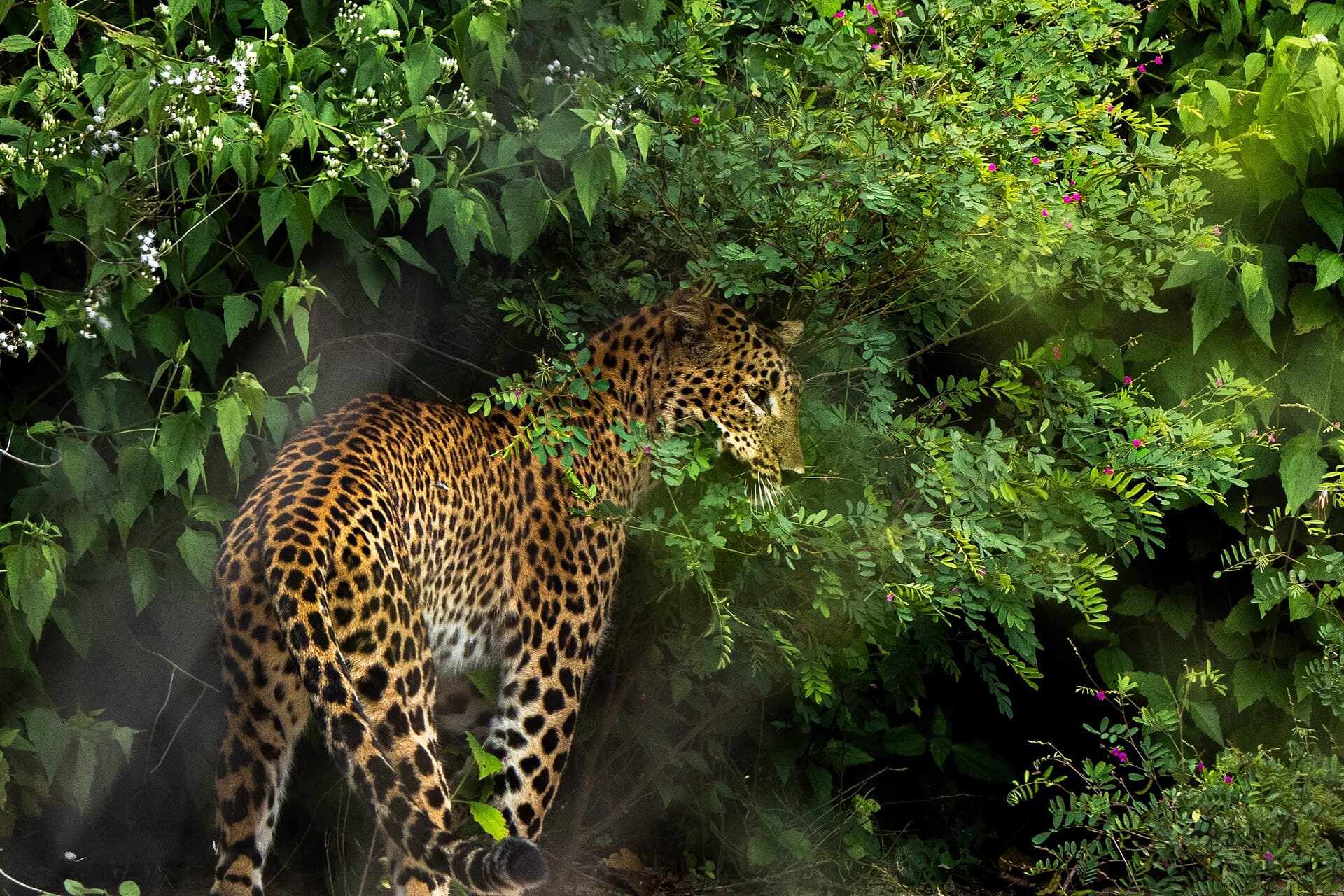
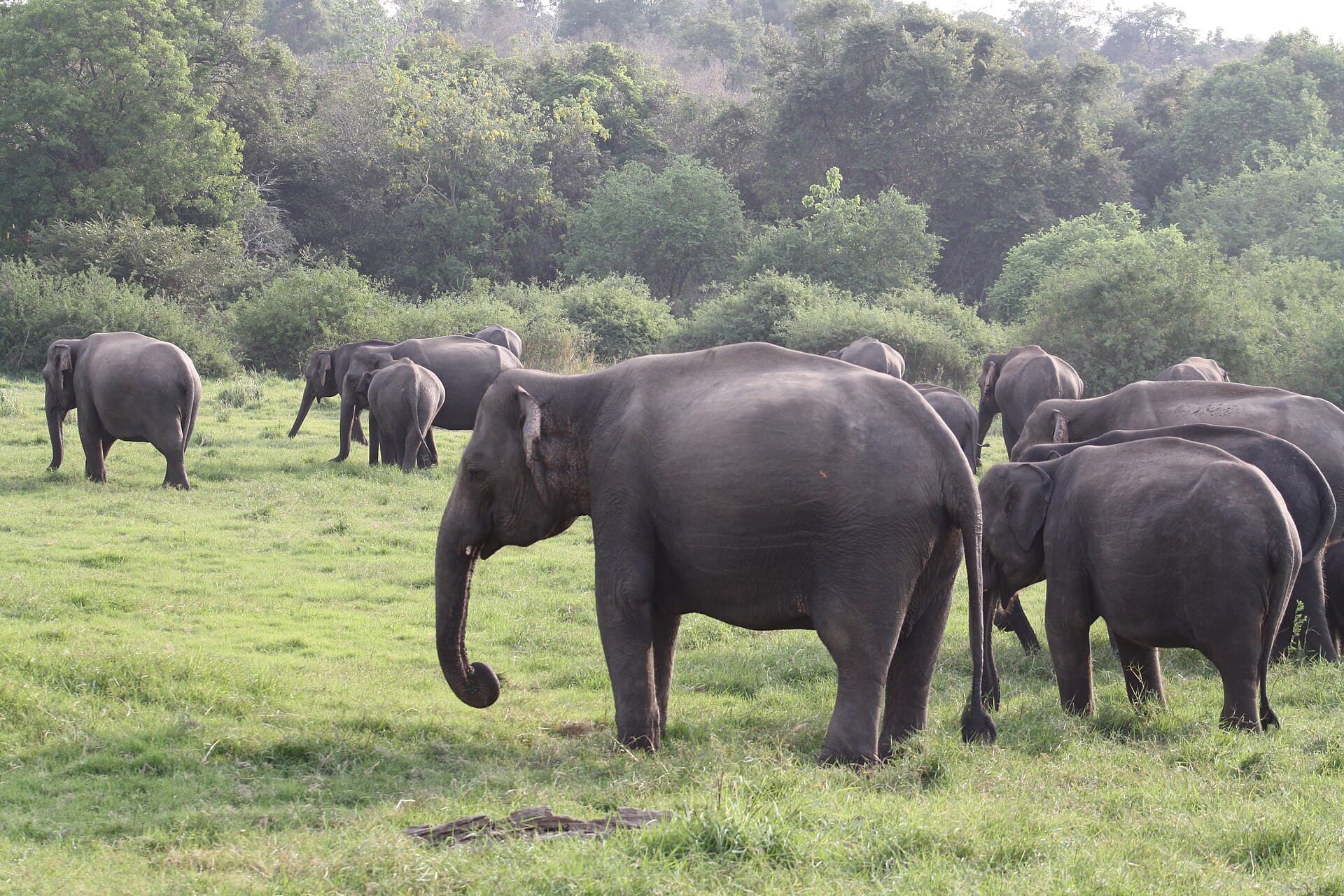
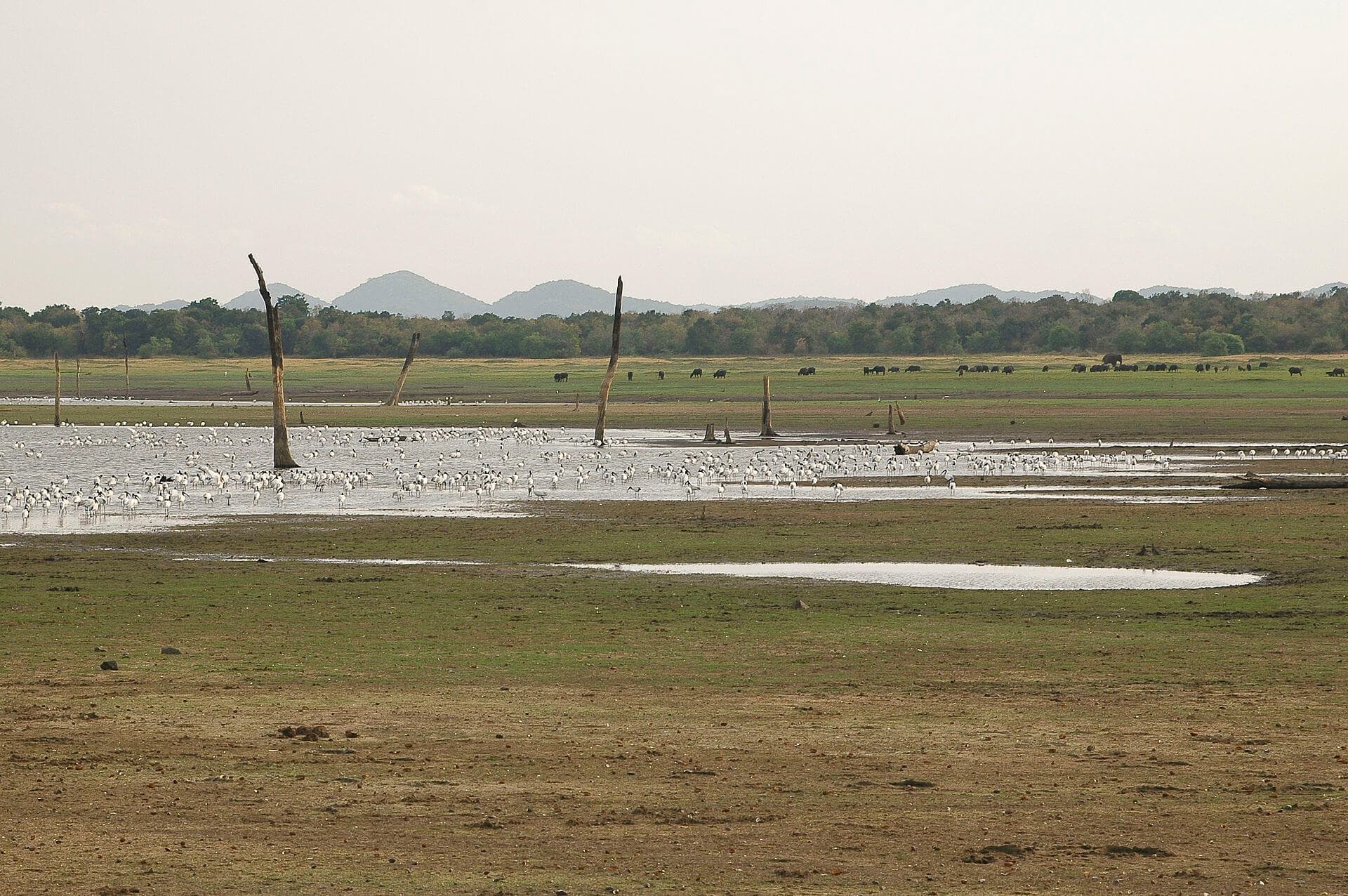
Gal Oya offers something no other park in Sri Lanka does. Elephants here swim between the islands scattered across the reservoir, crossing open water with their trunks raised above the surface. Watching that from a boat, at eye level, a short distance away, is unlike any jeep sighting anywhere on the island. The park was established in 1954 to protect the catchment of Senanayake Samudraya, and the reservoir defines it. Elephants live around and among the islands, and the swimming behaviour is a response to the geography rather than a trained spectacle. Beyond elephants the reservoir holds mugger crocodiles in good numbers, and the shoreline and island vegetation supports water buffalo, spotted deer, sambar and wild boar. Leopards and sloth bears are present in the wider park but very rarely seen. Birdlife around the water is excellent, with cormorants, herons, egrets, storks and pelicans working the shallows, and fish eagles and other raptors hunting over the reservoir. Early morning on the water is one of the better birding experiences in the country. The Nilgala area of the park is accessible by jeep and offers more conventional dry zone game viewing for anyone who wants both formats. Most visitors come for the boat.
This is the reason to come to Gal Oya and it is genuinely unique in Sri Lanka. Nowhere else in the country can you take a boat safari on a national park reservoir, and nowhere else can you watch wild elephants swim. The reservoir is dotted with islands, and elephants move between them by swimming, using their trunks above the waterline as they cross. Seeing this from a boat puts you at water level rather than looking down from a jeep, at a distance and an angle that no land based safari can reproduce. Timing matters. Boat safaris are generally best either at around 6am for sunrise and bird activity, or from about 3:30pm to catch elephants coming down to the water and crossing. If the swimming is your priority, take the afternoon. If you care about birds and the light on the water, take the morning. Doing both over two days is the ideal if you have the time. Swimming elephants are most reliably seen in the dry season from around March to September, when water levels and movement patterns favour the crossings. As with every wildlife spectacle, nobody can promise it on a given afternoon. Keep a respectful distance. A swimming elephant cannot easily escape a boat that crowds it, and a driver who pushes in is putting the animal under real stress. A good boatman holds back and cuts the motor.
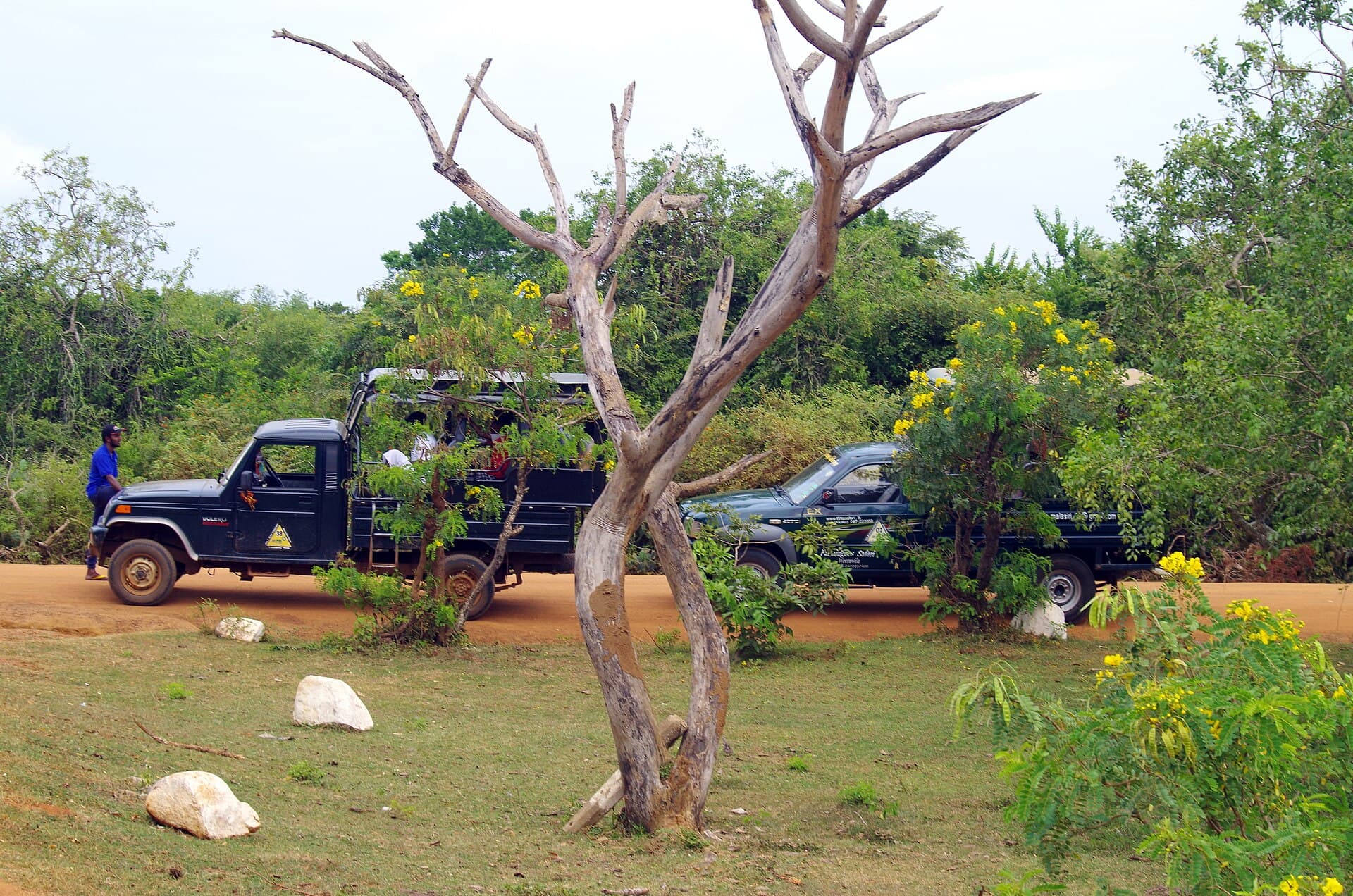
Gal Oya is the only park on the island where this is a genuine question, because it is the only one you can explore both ways. The boat safari on Senanayake Samudraya is the signature experience and the one almost everybody books. It gives you the swimming elephants, the island landscape, the waterbirds and the crocodiles, all from a perspective you cannot get elsewhere in Sri Lanka. The jeep safari works the Nilgala area of the park and gives you more conventional dry zone game viewing on land, through scrub and forest. It is a good safari in its own right and it shows you a different set of habitats and a different part of the park, but it is not why Gal Oya is famous. If you only have time for one, take the boat. If you have two sessions, do the boat in the afternoon for the elephants and the jeep in the morning, or the boat at sunrise for birds and the jeep later. Because the boat is what draws people, it is worth being clear when you book which format you are buying. Some operators bundle both, some offer them separately. Confirm the timing too, since the afternoon boat and the morning boat are quite different experiences and the wrong one can mean missing the crossings entirely.
Compare parks before you book. Each one suits a different trip.
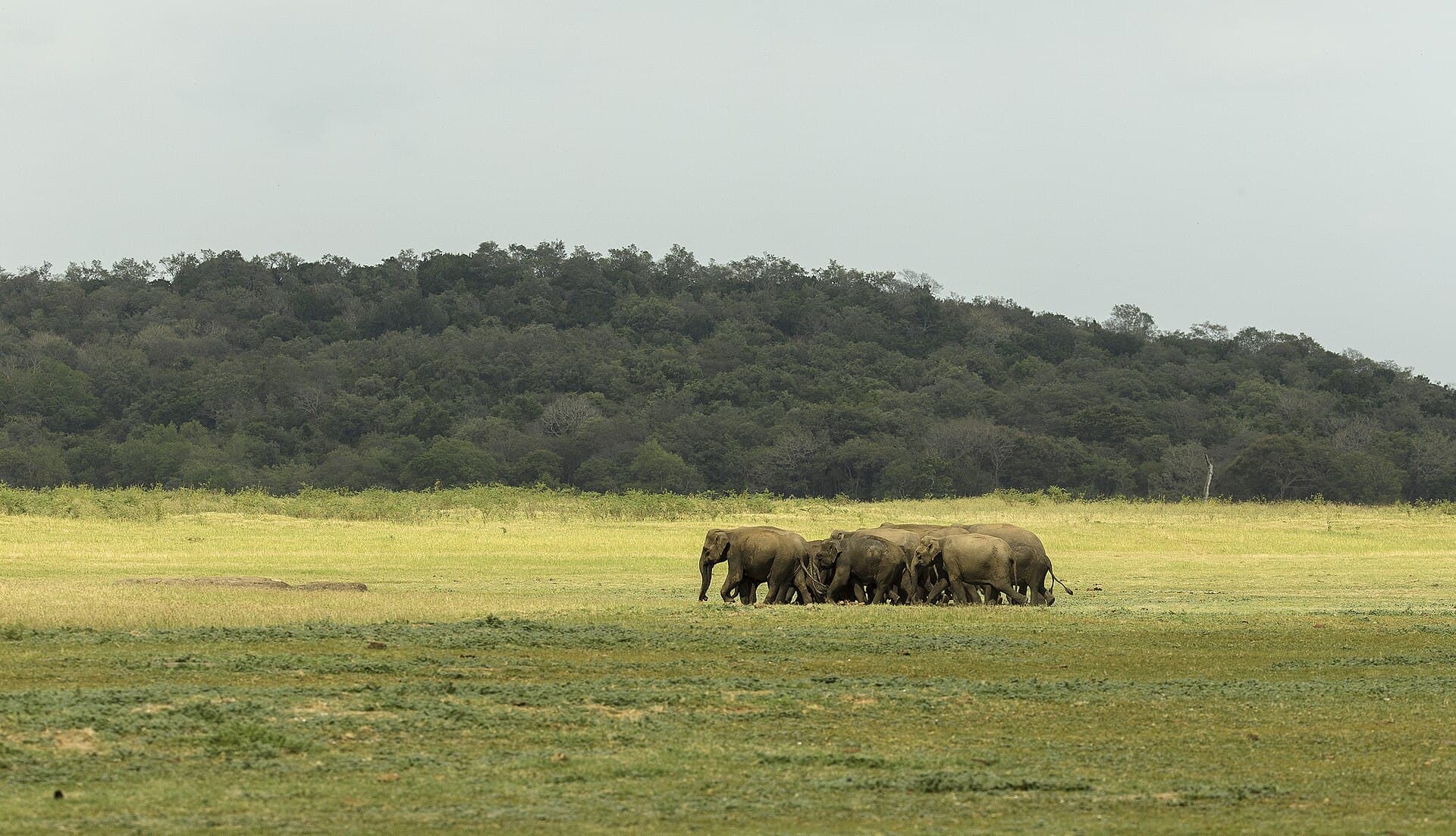
The dry season from around March to September is the window for swimming elephants, and that is the period to aim for if the crossings are what you are travelling to see. Outside that, the boat safari is still a fine few hours on a beautiful reservoir with birds, crocodiles and island scenery, and elephants around the shoreline. You are simply less likely to catch the behaviour the park is known for. Gal Oya is one of the least visited wildernesses in Sri Lanka, which is a large part of its appeal and also something to plan for. There are fewer operators, fewer places to stay and fewer facilities than in the southern parks. This is not somewhere you turn up and arrange things on the day in peak season. Set expectations on the boat itself. These are working boats rather than luxury cruisers, the reservoir can be choppy, and there is limited shade on the water. The sun off the surface is strong and you will feel it more than you expect. A session typically runs a few hours. Bring sun protection that actually works on a boat, meaning a hat that will not blow off, sunglasses, high factor sunscreen and plenty of water. A dry bag or at least a waterproof cover for camera gear is worth having. The reward for the effort of getting here is a park where you are unlikely to see another tour group.
Gal Oya sits in the east of the island, well away from the main tourist circuits, and reaching it takes commitment. That remoteness is exactly why it stays quiet. Most visitors base themselves near Inginiyagala at the reservoir, where the lodges and camps closest to the park are found. Ampara is the nearest significant town. Some visitors route through from the east coast at Arugam Bay or Pasikuda, and others come across from the hill country. From Colombo expect a long drive, and plan to arrive the day before rather than attempting a same day session. From Kandy or Ella the run east is substantial but manageable. If you are already travelling the east coast, Gal Oya is a reasonable detour inland. Because there are relatively few operators here, book ahead rather than assuming you can arrange a boat locally on arrival, particularly in the dry season when the swimming elephants draw what visitor numbers the park gets. For photography, the boat gives you a low angle and a moving platform, so a stabilised lens helps considerably. Something in the 100mm to 300mm range covers most situations, and a wider lens is worth having for the island and reservoir landscapes, which are a large part of what makes this place memorable. Binoculars are useful for the birds and for spotting movement on distant shorelines before the boat commits to a direction.
*Note: Prices include service charges and VAT. Rates are subject to change.